614-424-6736

How You Need to Layer Up With Home Security This Winter

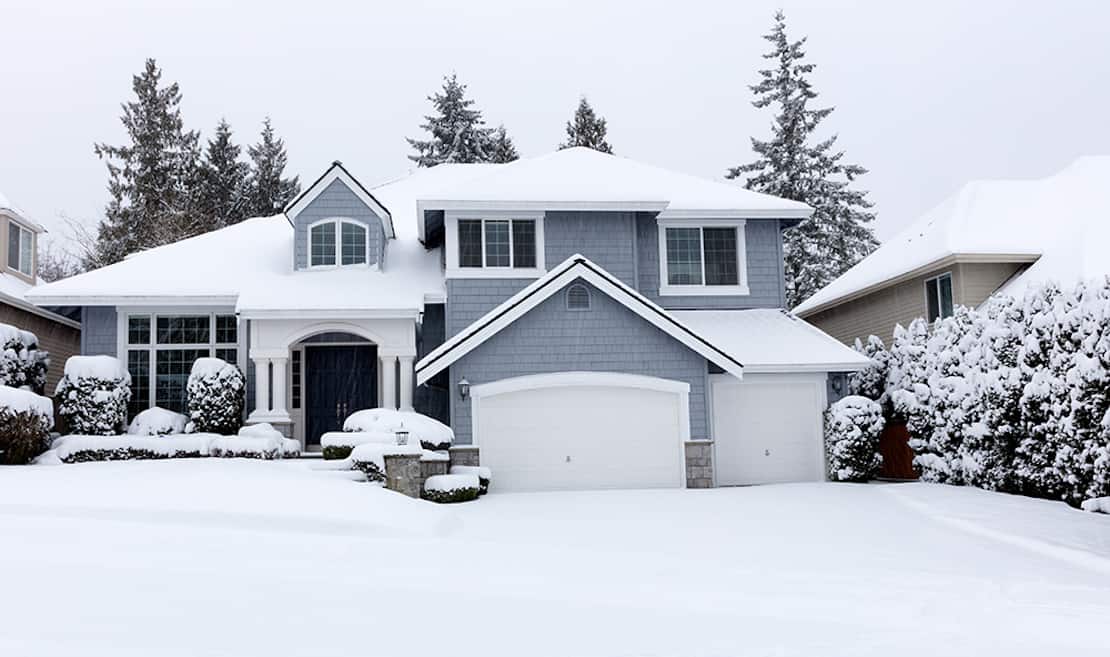
A house blanketed in snow.

The arrival of another chilly winter season often means one of two things: staying inside and getting cozy, or traveling (whether it be to see family for the holidays or going on vacation), leaving your home unattended. Regardless of which of these applies to you, it is crucial to take a few extra steps to layer up with home security in the winter time.

Not sure how to do that? Luckily for you, your local Pop-A-Lock experts have some helpful tips on how to stay safe and secure this holiday season.
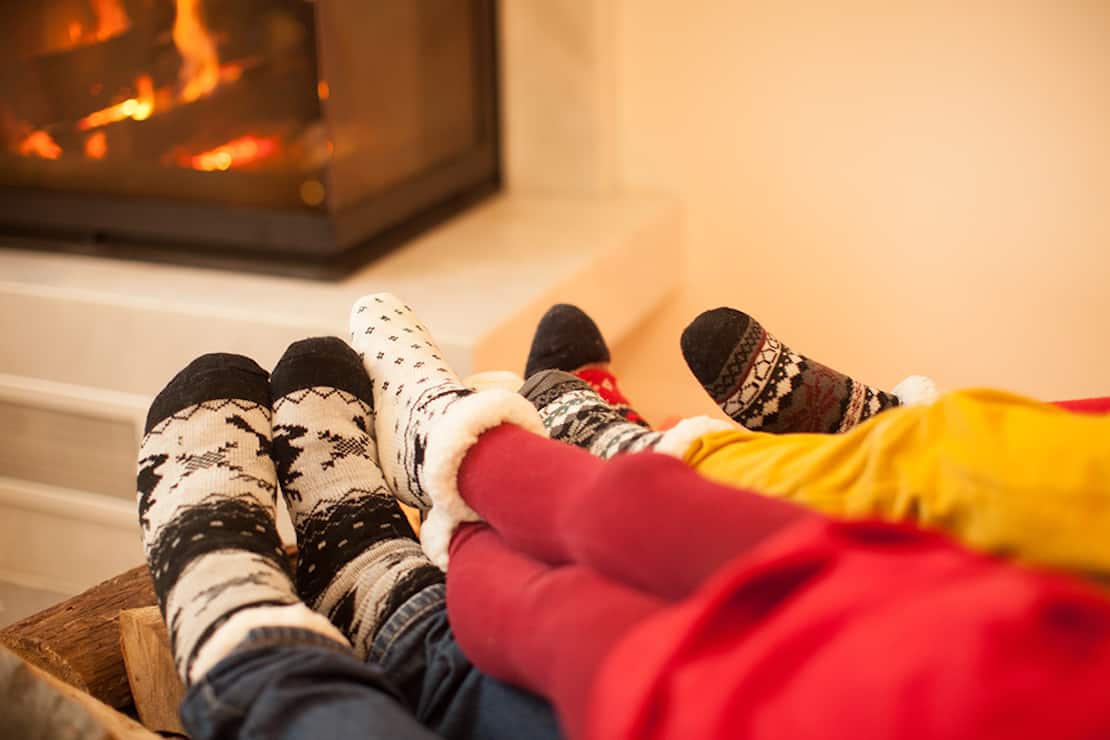
Three people's sock-clad feet held out to the fireplace.

Your Security System

If you’ve just moved into a new home, or there is a different reason that you don’t yet have a security system, consider investing in one. This is especially crucial if you are planning to leave town for the holiday season, as you will not be able to respond immediately if something were to happen. Installing a security system that fits your home and its needs is the first step to ensuring your peace of mind, whether you are staying in or getting out this winter.

In addition to simply having one, there are extra steps you can take to increase the effectiveness of your alarm system:

  • Glass break sensors: These sensors monitor for the sound of glass breaking. These can be especially helpful if  your home has a lot of windows, or if there are several windows that are prone to break-ins (close to the ground, in a hidden area).
  • Open/close sensors: Not only are these handy to remind you when you’ve left a window open, they can also alert you to unusual openings and closings of windows and doors.
  • Security signs and stickers: Burglars may be deterred by the presence of a security sign or sticker on the windows.
  • Security cameras and doorbells: Many smart doorbells come with a motion-detecting camera. These doorbells and additional outdoor security cameras can be useful to let you know when someone unwanted is poking around outside.
  • Electronic locks: The key benefit of electronic locks is that they can be locked and unlocked from afar, allowing you to check and double check (maybe even triple check) whether a door is locked or not from a greater distance and without having to walk to the door inside the home.

Speaking of outdoor security cameras, there are several other things you can do to protect the outside of your home this winter.
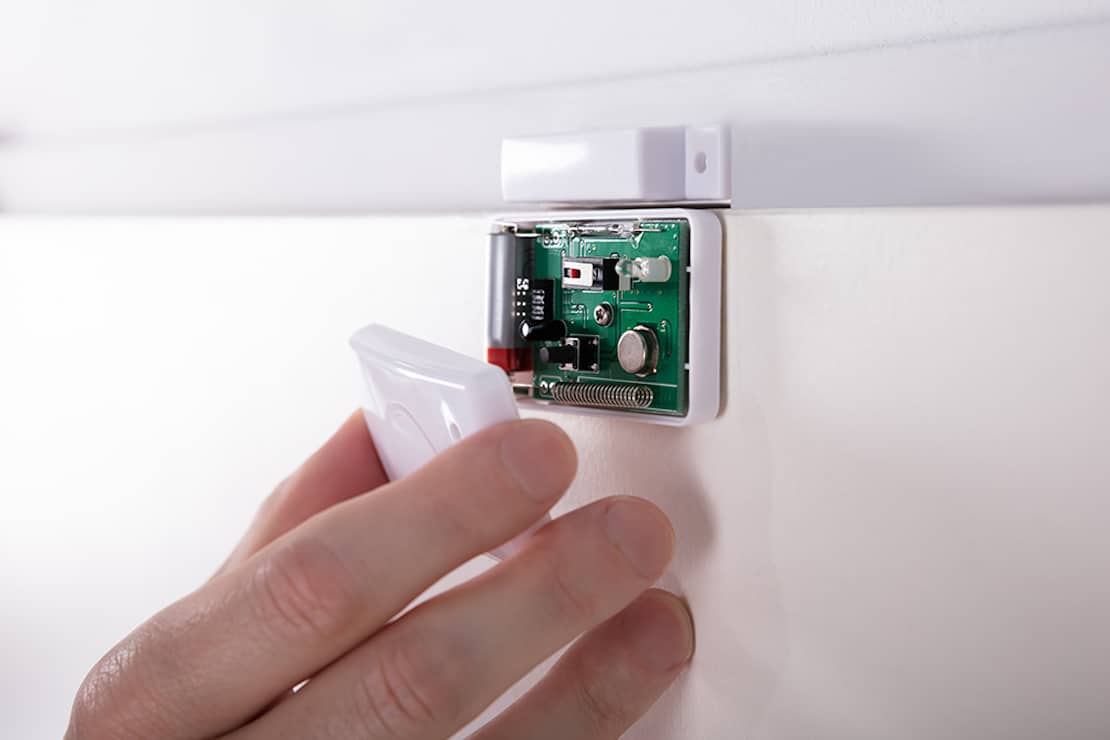
Person taking the cover off of a motion detector showing the circuit board inside.

The Outdoors

The area around your property, such as the back and front yard, side yards, garages, or natural areas (forests and bodies of water) is just as important to keep an eye on as the inside of the home. As previously mentioned, security cameras are the first step to securing the outside of the home. Here are a few more things you can do:

  • Lights, lights, lights: There is almost no use for security camera systems if you cannot see what is happening on the video footage. Lights can also deter burglars, since entering a home that is well-lit is a deterrent.
  • Keep the exterior clean: If a home has snow build-up or an overgrown lawn, it will seem as though the home is not lived in. Intruders are more likely to want to enter a home if it seems as if the owners will not be back for a while.
  • Secure gates and fences:  If there is a gate in your back or front yard, secure it with a lock. Additionally, you can protect your yards or gardens by making it more difficult to climb the fences. This can be done by either making your fences taller, or adding obstacles (such as spikes) to the tops of fence posts.

Don’t forget the garage: The garage is also a vulnerable entrance point for intruders. If you tend to keep the garage open, consider installing a security camera inside the garage or simply closing it when nobody is home.
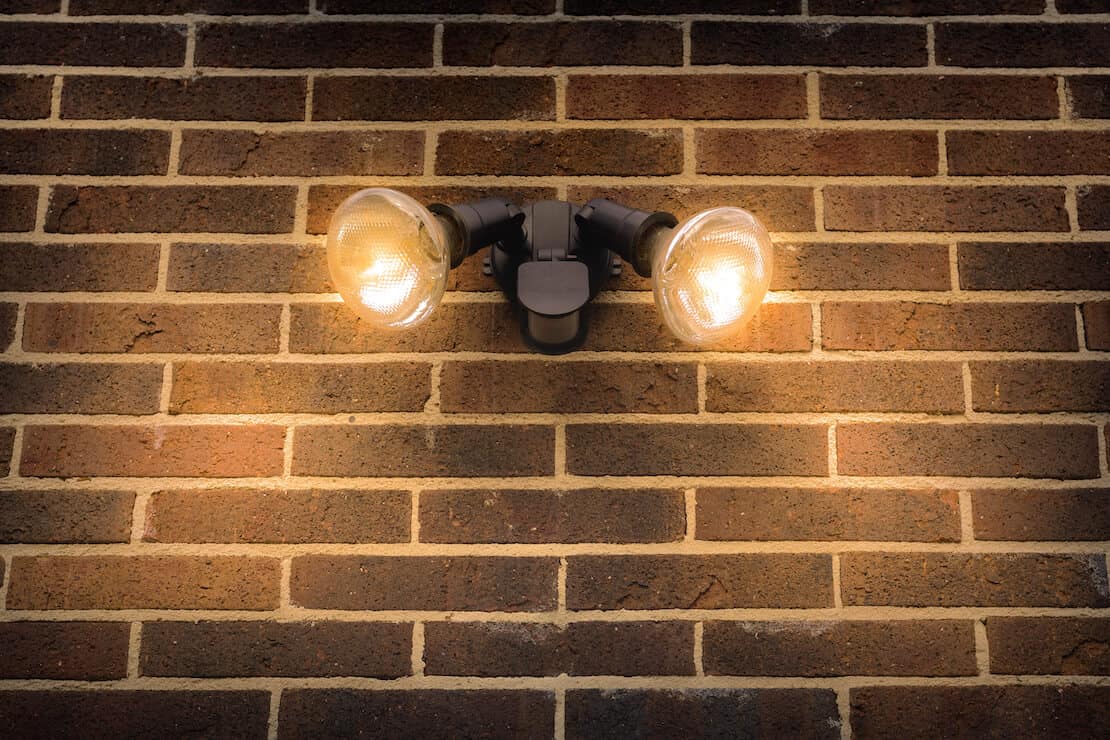
Two floodlights on a brick wall.

Inside the Home

Though installing a security system and securing the outside of the home seem like good enough precautions for home security, you cannot forget the actual home. All of your belongings, furniture, electronics, and even family heirlooms are at risk when you leave your home for long periods of time. Here are some things to think about when layering up with indoor home security:

  • Lock up small valuables: Valuable items such as jewelry should be hidden away, even locked in an inconspicuous drawer somewhere in the home. This is where it is important to think like a burglar; where is the last place they would think to check?
  • Invest in a safe: Important documents such as birth certificates and passports, as well as firearms and medications, should be kept in a locked safe that is bolted to the floor. If the safe is not bolted down, it still runs the risk of being carried out of the home.

Prepare a bright surprise: Motion sensor lights can be useful inside of the home as well as the outside. Intruders are likely to be startled by a light turning on in a room in a home they thought was empty.

Conclusion

Pop-A-Lock’s main goal is our customers’ security. If that means installing, inspecting, or repairing an alarm system or camera system, give us a call, we’ve got you covered. We want you to have the peace of mind you deserve this winter, no matter where you are.

What Level of Security is Best for Your Business?

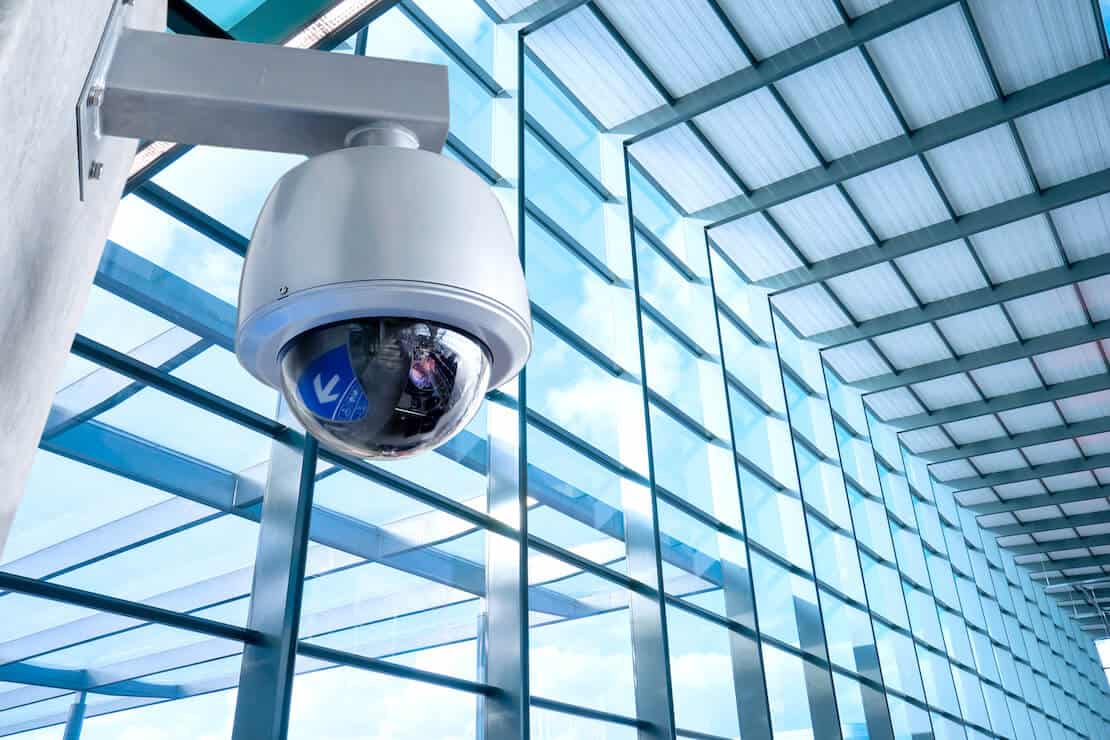
Security camera in a modern office building.

Your place of work is your livelihood. The physical structure that your business runs out of contains important documents, information, and business assets that must be protected. That being said, finding the perfect level of security for your organization can be difficult, and having too much or too little can have dire consequences.

A person sitting at a table with a laptop in front of them.

Don’t Just Lock Up Your Documents, Password Protect

Security in a business goes far beyond simply placing crucial documents in a locked drawer or safe. Our world today runs on things like the Internet, the cloud, and other intangible data storage programs. When thinking about protecting your organization, it is important to consider tech security alongside physical security. This includes things such as:

Firewall: Installing a powerful and high quality firewall is the first step to securing your business’ online assets. Firewalls prevent viruses by scanning anything coming into the business network and deeming it safe or unsafe.

Email: Viruses can also enter into an organization’s network through things such as email attachments, fake addresses, and other types of email-based scams. A good way to prevent this is to educate staff and employees about the importance of keeping sensitive information confidential, especially if email is a commonly used form of communication for your business.

Wireless Network: Securing your organization’s wireless network with a Wi-Fi Protected Access (WPA) or a Wireless Encryption Protocol (WEP) and turning off wireless networks during periods of inactivity (such as holidays or weekends) can help protect your company’s digital assets.

Security on the Premises

In addition to the protection of data and networks, securing your business’ premises and physical assets is of utmost importance. This is when you need to decide which level of physical security is best for your business:

Traditional Lock and Key: This measure of security is best for small businesses, especially in the case that you, as the business owner, either take the most valuable assets home with you at the end of the day or lock them in a safe. However, traditional lock and key systems require proper maintenance, such as lock rekeying, in addition to key management.

Visit these pages to find out more about Pop-A-Lock’s lock installation and lock rekeying services.

High Security Locks: This includes things like key control systems or electronic access control systems, and is typically used in medium to large sized businesses with fairly valuable assets. These allow for higher levels of security since there is little to no possibility of someone outside of your organization getting a hold of a key fob or door code.

Visit these pages to learn more about Pop-A-Lock’s key control and electronic access control services.

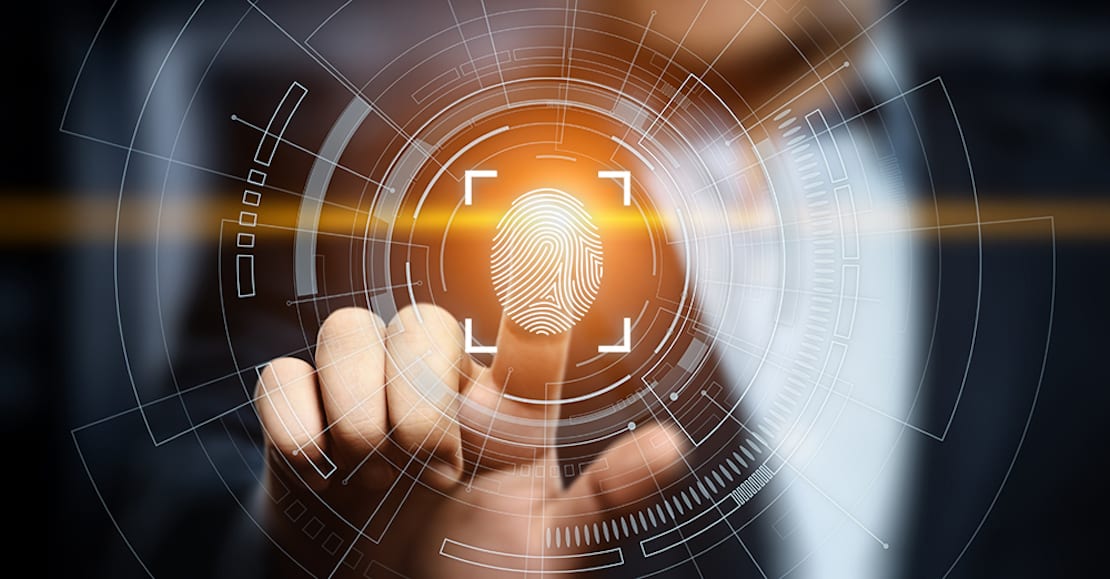
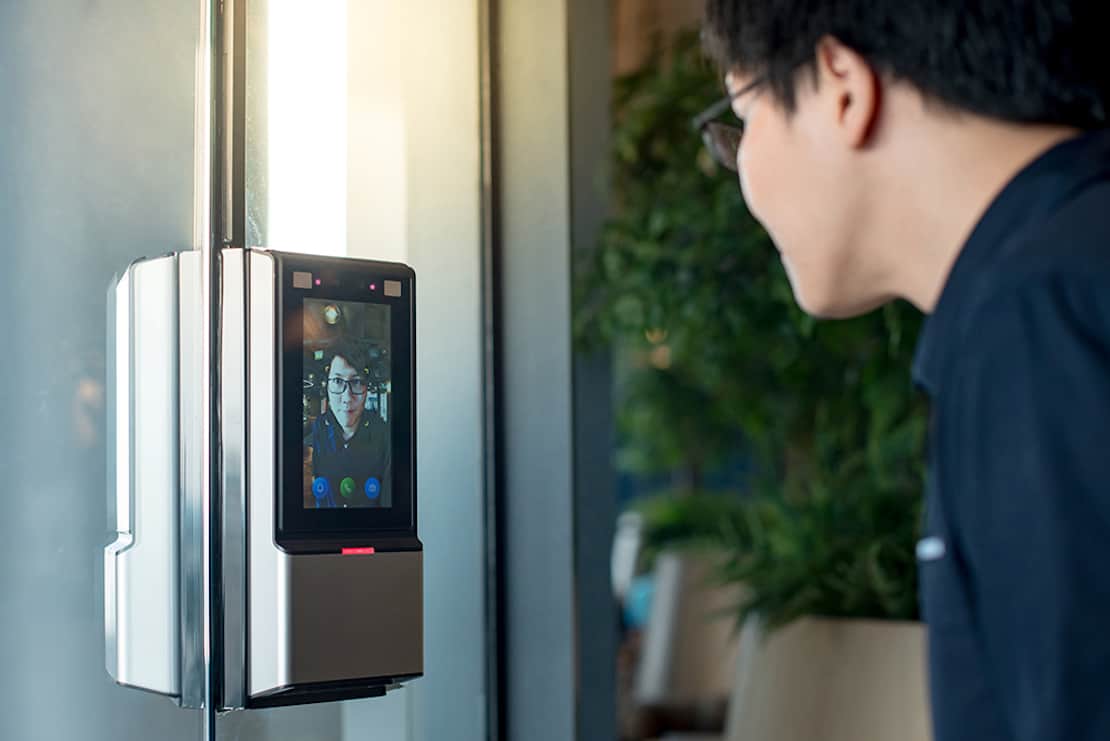
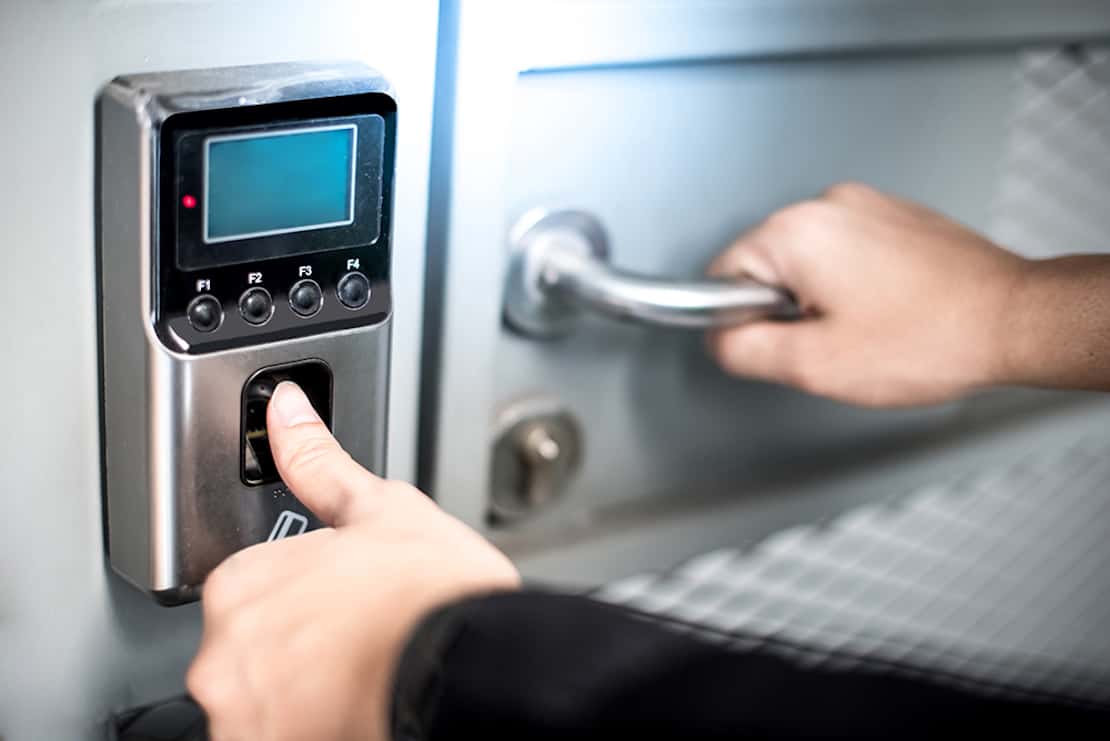
Biometric Security: Biometric security is the most advanced option, and is recommended for large businesses, often with extremely valuable assets, equipment, or documents. These systems limit accessibility to certain areas and base identification on biological traits (such as iris scans, fingerprint scans, and voice recognition). 

To learn more about Pop-A-Lock’s biometric security services, visit our biometric security service page.

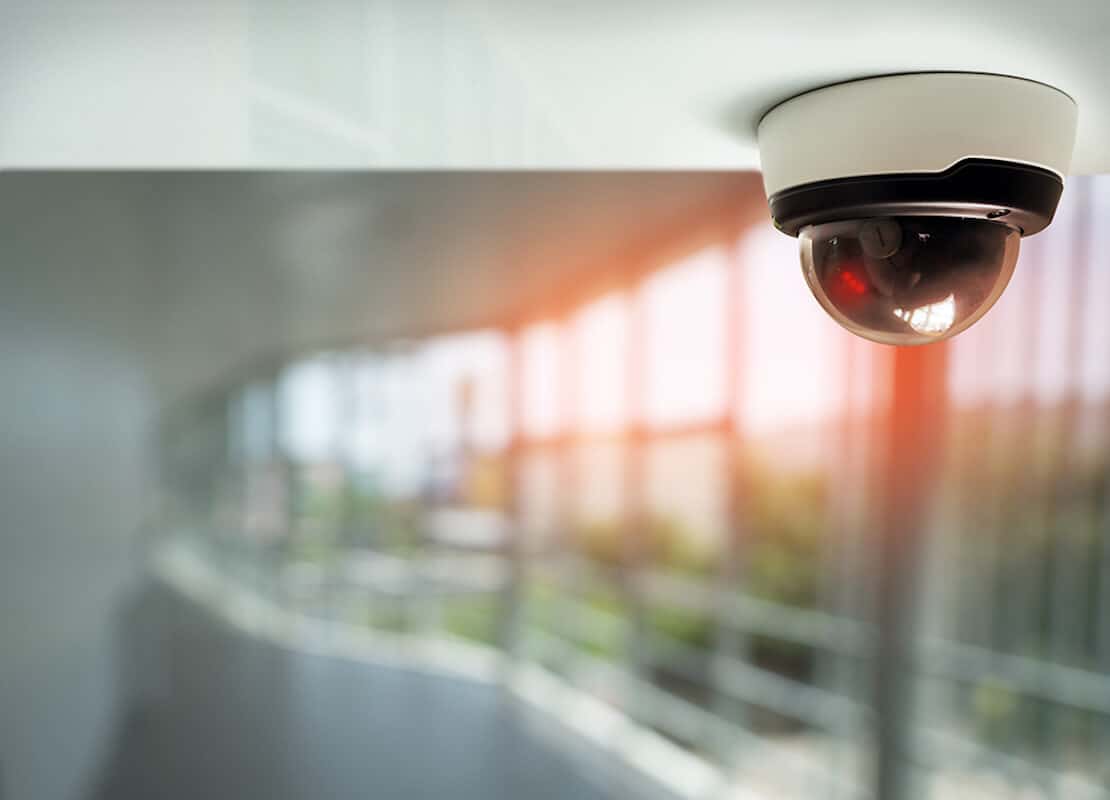
Security Cameras: No matter the types of locks or key control systems you decide to install on the premises, it is important to invest in security camera systems that provide adequate coverage of the business location. Security camera systems can help give you an idea of the activity around the area your business is located in as well as provide insight into what other security measures can be taken to further protect your business.

A security camera on the ceiling.

How Pop-A-Lock Can Help

Your local Pop-A-Lock is here to assist you with any questions you may have with regards to the security of your organization, as well as installation and security audits. Contact your local Pop-A-Lock today and schedule an appointment with one of our expert locksmiths!

Your Ultimate Guide to Biometric Security Systems

Person's finger on a fingerprint lock.

Security systems with biometric capabilities are the pinnacle of security in the modern world. The word ‘biometrics’ has Greek roots, and literally means ‘life measurements’. These systems are top of the line high security options, and are very useful and high-functioning, especially for businesses.

Person's finger on a fingerprint lock.

What is Biometrics?

Biometrics itself is the measurement of physical, behavioral, or biological traits of an individual. These physical attributes can range from hair or eye color, to fingerprints, to tone or accent when speaking (vocal recognition). Therefore, biometric security systems are those that use these physical, biological, and behavioral characteristics to identify an individual and either grant or deny them access to a room or asset within a building.

Person's face being scanned to unlock a door.

Why Are These Systems Useful?

Though biometrics themselves have been around for almost 100 years, modern biometric security systems are highly advanced and very helpful when it comes to protecting buildings and the assets that lie within them, whether they be physical or digital. Since access is granted or denied based on individual features that are very difficult to recreate or change, the likelihood of an unauthorized person to be granted access is much lower than it would be with a less elaborate system.

Person holding their thumb on a keypad to unlock a door.

The Basics

A standard biometric system is comprised of 4 main components: the input interface, the processing unit, the data store, and the output interface:

  • Input interface: These are the sensors that read human data (such as a fingerprint or an iris scanner) and convert it into digital data.
  • Processing Unit: After the data from the sensors is converted into digital information, it is the job of the processing unit to, well, process it! This may include things like image enhancement, extraction of a specific feature, or comparison of the collected data with that which is stored in the database.
  • Data Store: The processing unit pulls information from the data storage which is used to compare the collected sample to the one logged into the system.
  • Output interface: This component communicates the decision, access granted or denied, to the rest of the system.

For example, let’s say you are attempting to enter Room A. You scan your  fingerprint or iris on the input interface. The processing unit receives data from the data storage to help the system determine whether your scan matches one that has been programmed into the database for someone that has access to Room A. If your scan does match, the output interface will grant you access to Room A.

Pros and Cons

As with any security system, there are certain advantages, as well as fallbacks. Biometric security is no different, and like all, is prone to shortcomings:

Pros:

  • Individual characteristics are just that: individual. This makes it much harder to ‘break into’ a biometric system. It is much more difficult to recreate a biological characteristic than it is to duplicate a key, crack a code, or get your hands on a key fob.
  • Though the process of authentication may sound complicated, the user experience itself is very easy and convenient. There is no need to remember key codes or number combinations, and it is impossible to lose a key or access card since none exist.
  • With biometric systems, it is much easier to control who has access and when they have it. Simply deleting biometric data from data storage will ensure that that individual can no longer enter the facility or specific room, eliminating the risk of floating keys or cards.

Cons:

  • As can be expected from the most high-tech security system, the cost for implementation is quite high when it comes to biometric systems. However, this is coupled with a high reduction in risk for your business and assets.
  • Additionally, privacy concerns can arise with biometric security. When a user’s individual facial features are scanned, they are converted into data and stored. This can pose a problem with regards to data breaches and surveillance. This data, if hacked or stolen, can be used to track a user rather effectively.
  • Though the biometric system is very powerful, it is still prone to bias, inaccuracy, and false positives. For example, if you were to injure the exact finger that is used in a fingerprint scan, this would create an issue. Additionally, individuals who are handicapped may not be able to provide the necessary data to log them into the system.

Conclusion

With all of this being said, it is ultimately up to the individual business owner to decide whether or not a biometric security system is the most optimal solution for their unique organizational needs. Furthermore, if you have any more questions regarding biometric security, or would like to schedule an appointment for a security audit or system installation, call your local Pop-A-Lock experts today!

The 7 Things You Should Never Leave in Your Car

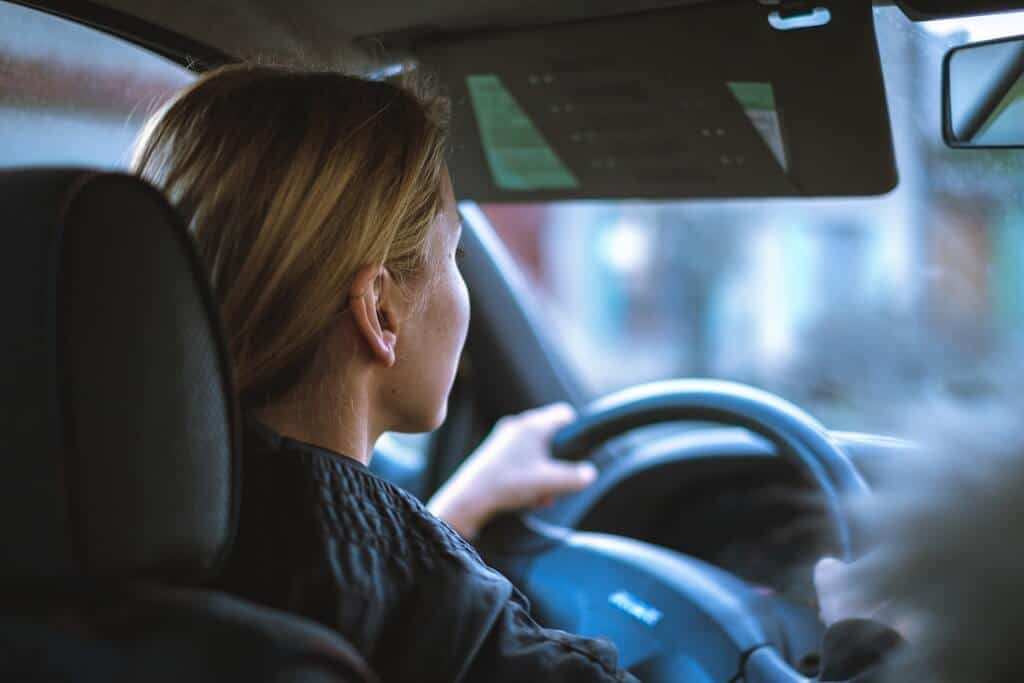
Person driving a car.

Never Leave These 7 Items In Your Vehicle

Innocent mistakes often turn out to cause the most disastrous accidents. Extreme temperatures can do much more damage than spoil wine or groceries. When items are left in the car at low or high temperatures, they are at a significant risk. Studies have shown that the temperature inside of cars can rise 20 degrees in as little as 10 minutes.  Here’s what you should never leave in your car to avoid putting your precious items and loved ones at risk.

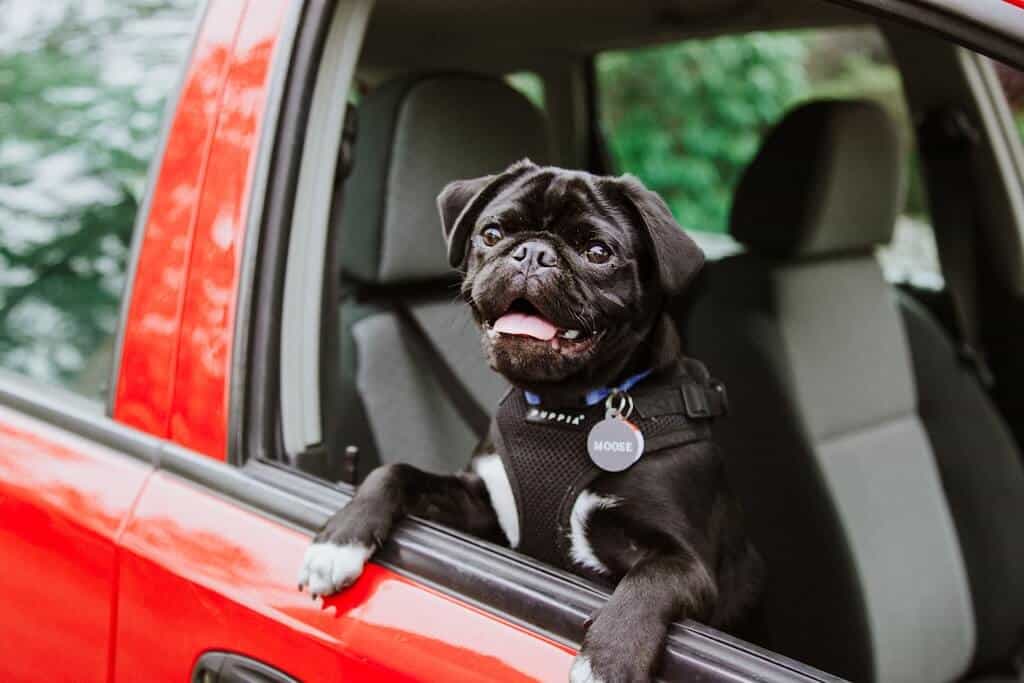
A black pug looking out the open window of a red car.

Children and Pets

No matter how long an errand will take, you should never leave young children and pets alone in a car. Even if your car’s windows are cracked, the internal temperature of your car can reach dangerous levels in just 10 minutes. After an hour, temperatures can jump 45 degrees. Every year, an average of 38 unattended children, and hundreds of pets die from heatstroke in locked cars. Avoid a preventable tragedy and never leave your children and pets in a locked vehicle.

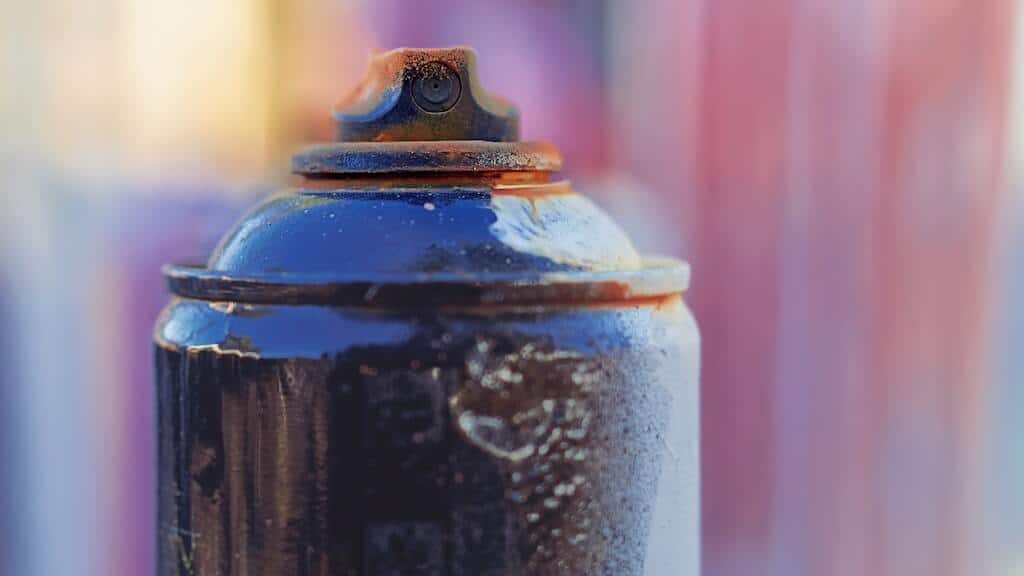
Black can of spray paint.

Aerosol Cans

Those labels on aerosol cans are there for good reason. As the temperature rises, the pressure inside an aerosol cans rises too. If stored in temperatures above 120°F, aerosol cans can reach dangerously high internal pressure levels. When left in the heat and/or direct sunlight, aerosol cans explode. This can cause serious injuries or damage to your vehicle.

An open pill bottle.

Medication

Did you know that most medications should be stored at room temperature? That’s because many active ingredients in prescription meds actually spoil or lose their effectiveness when exposed to high heat. A parked car never remains at room temperature, so avoid wasting medication and money by taking your medicine with you.

Apple laptop.

Valuable Goods

While extreme heat does not pose a high risk for most valuables, leaving them in your car presents a different kind of risk – thievery.  Leaving goods such as a purse, wallet, or electronics instantly puts a target on your vehicle for thieves. Even if you store these items out of view, be sure to hide charging cords and other less valuable items out as these signal to burglars there are more valuables out of sight.

Plastic water bottle.

Plastic Water Bottles

Many studies have found harmful chemicals such as BPA and phthalates in plastic water bottles. When left at high temperatures, these chemicals are leached into water from their plastic containers. Also, bottled water has a shelf life. If left for too long in a hot environment, bacteria and microorganisms can grow in the water posing a health risk for those who drink it.

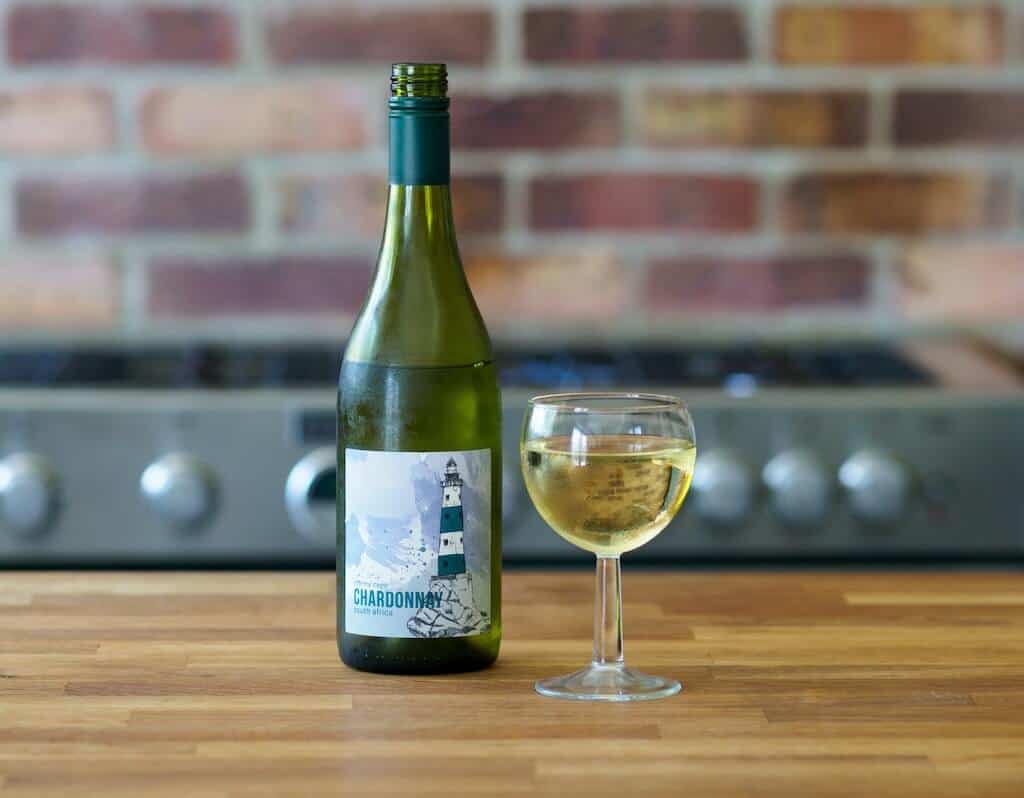
Glass of white wine with the bottle next to it.

Wine

Picking up a bottle of wine after a long day at work is a treat most of us can appreciate. Just be sure to take your bottle of red, white, or rosé with you after you park your car for the evening. Leaving a bottle of wine in a hot car can alter the flavor and even spoil the wine. And if the liquid is left to heat up, it can expand and seep around the sides of the cork, resulting in spilled wine and a contaminated bottle.

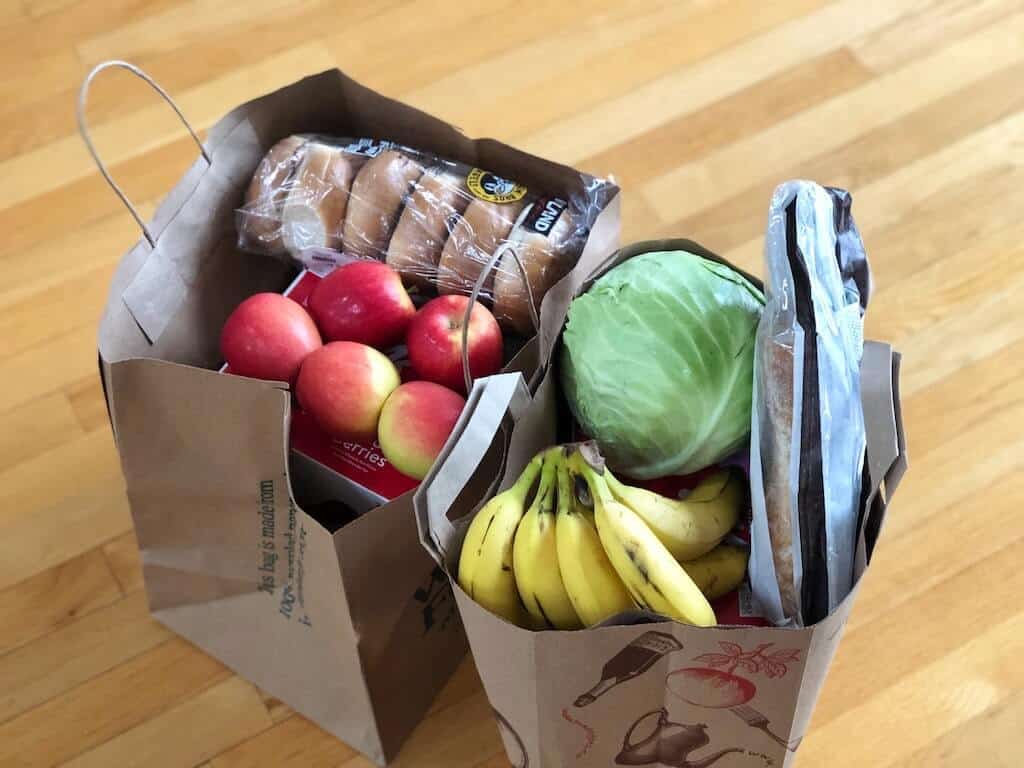
Two full paper bags of groceries.

Groceries

Keep grocery shopping at the end of your to-do list to keep perishable items from spoiling in your car. Fresh produce, meat, dairy, and other goods should be stored in the refrigerator no later than two hours after leaving the store. In the summer months, however, food should be put away in the refrigerator no more than one hour after being purchased to avoid spoilage. Removing perishable items from your car promptly will also reduce the chance of leaving an unpleasant smell in your car.
Call Pop-A-Lock

If you find yourself locked out of your car, call Pop-A-Lock and we’ll assist you right away. Our locksmithing experts can unlock any vehicle in a flash. We’re here to help!

The Top 10 Locks We Recommend for Your House

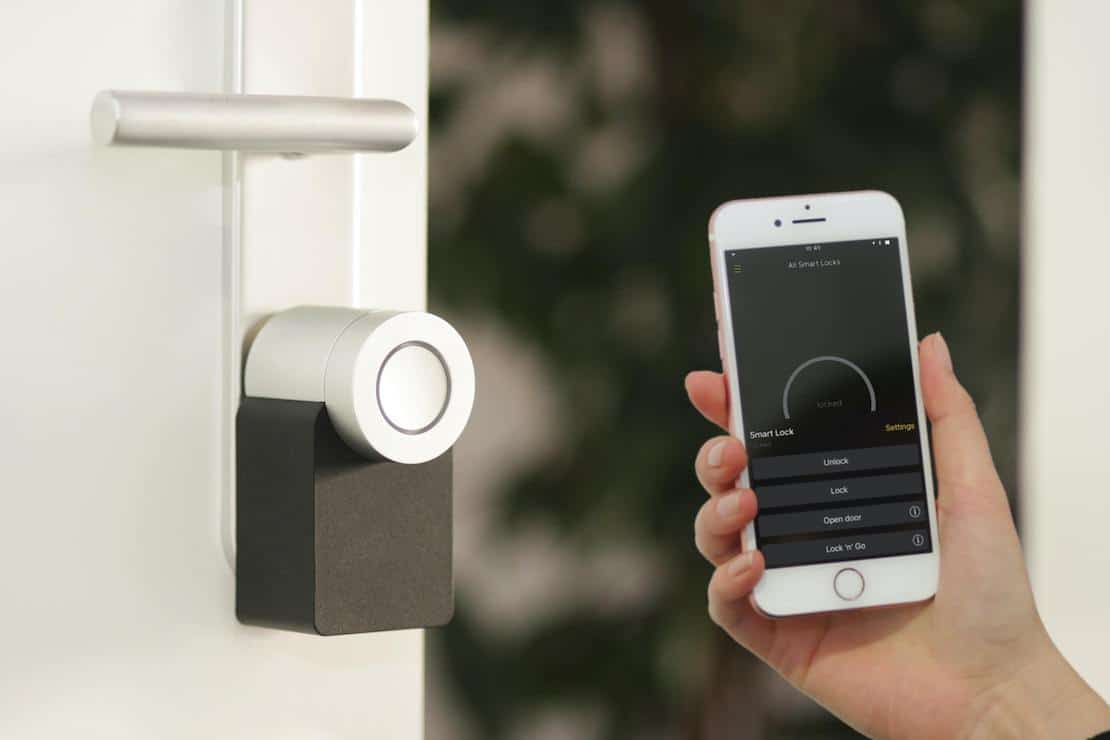
Hand holding a phone up to a smart lock.

Your home is the place for everything. A place to kick off your shoes after a long day of work and relax in front of the TV. It is a place to raise your kids and watch them grow. Home is for the holidays; a place to gather and share stories. Don’t let a faulty door lock keep your home from experiencing these moments. We want you and your household to feel safe during the day and at night. That is why we compiled a list of our top 10 favorite locks for household security. Find the lock that’s perfect for you!

Best Standard Door Lock

Yale Premier Single Cylinder YH82

  • Strong strike plate design 
  • Resistant to kick-ins
  • Tough to pick and drill through the cylinder

Best High-security Door Lock

Medeco Maxum 11*603

  • Strongest deadbolt ever
  • Excellent for drilling
  • Withstands kick-ins
  • Uses hardened steel inserts and rotating pins so it is hard to pick 
  • Provides protection against unauthorized key duplication
  • Lifetime warranty on its internal mechanism and its finish

Best Electronic Door Lock

Schlage Touch Keyless FE375 CAM

  • Electronic deadbolt
  • Hard to pick
  • Withstands drills and kick-ins
  • Smart keypad lock
  • Does not connect to the internet or smartphone 
  • 25-year warranty on its internal mechanism and a five-year warranty on its finish

Best Smart Lock

Yale Assure Lock SL 

  • August’s smart lock app and platform 
  • Remote controlled 
  • Access log 
  • Voice control (via Amazon Alexa, Apple HomeKit/Siri, and Google Assistant) 
  • Electronic keys 
  • Door open/close sensor 
  • Resists drilling, picking, and kick-ins

Best For Built-in Wi-fi

August Wi-Fi Smart Lock

  • Compact frame
  • Compatibility with Apple HomeKit/Siri and Z-Wave Plus smart home hubs to control your door
  • Remotely lock or unlock the door, check door status, and grant virtual guest keys
  • Built-in Wi-Fi so no additional Wi-Fi bridge 
  • Phone or watch is your key 
  • Easy to install and attaches to your existing deadbolt
  • Automatically locks and unlocks your door through geo-fencing 
  • Need the August Connect WiFi adapter, $79, to get access to all of the lock’s features.

Best For Voice Control

Schlage Sense Bluetooth

  • Deadbolt lock lets you:
    • Lock and unlock your doors via phone
    • Program access codes
    • Set up access schedules
  • Voice-activated Siri controls
  • Can’t access the lock from beyond the range of its Bluetooth radio unless you have an Apple TV

Best For Nest Users

Nest X Yale Lock With Nest Connect

  • Sharp-looking smart door lock 
  • Combines Yale reliability with Nest IoT home connectivity
  • Extended battery life
  • Nest Detect sensors can be placed farther apart in the home
  • Keyless, with a touchpad for entry by pin code
  • Set up to 20 pin codes for different individuals
  • Get notified when five incorrect pin attempts

Best Keyless Entry Lock

Schlage Touch Camelot Deadbolt

  • Compatibility with your home automation system
  • Manage the lock from anywhere on your smartphone 
  • Highest industry ratings for residential security and durability 
  • Stores up to 30 unique access codes
  • Fingerprint resistant 
  • Three built in alarms 
  • Three-year electronics warranty and lifetime warranty on its finish and mechanics

Best Deadbolt

High security Mul-T-Lock

  • Best resistance to bumping, picking, and forced entry techniques
  • Forged with strong materials including hardened steel and use patented technology
  • Two interlocking ball bearings which increase jimmying resistance
  • Increases the effectiveness of your existing door hardware
  • Only authorized Mul-T-Lock dealers can create Mul-T-Lock keys
  • Available in single, double, and captive key designs

Best Smart Lock For Apartments

August Smart Locks

  • Easy install with no hardware changes
  • Share virtual keys easily 
  • Control & track guest access with the app
  • Control front from anywhere with your phone
  • Door sensor telling when you door isn’t secure 
  • Smart alerts to notify you about comings, goings, and changes in door status

Pop-A-Lock Is Here To Help

We place utmost importance on keeping our customers safe in their own homes. Pop-A-Lock is here to help. Don’t put your safety and security at risk – let a trained professional install or repair your locks correctly at minimal time and cost. Give us a call today!

How To Stop Your Home From Attracting Burglars

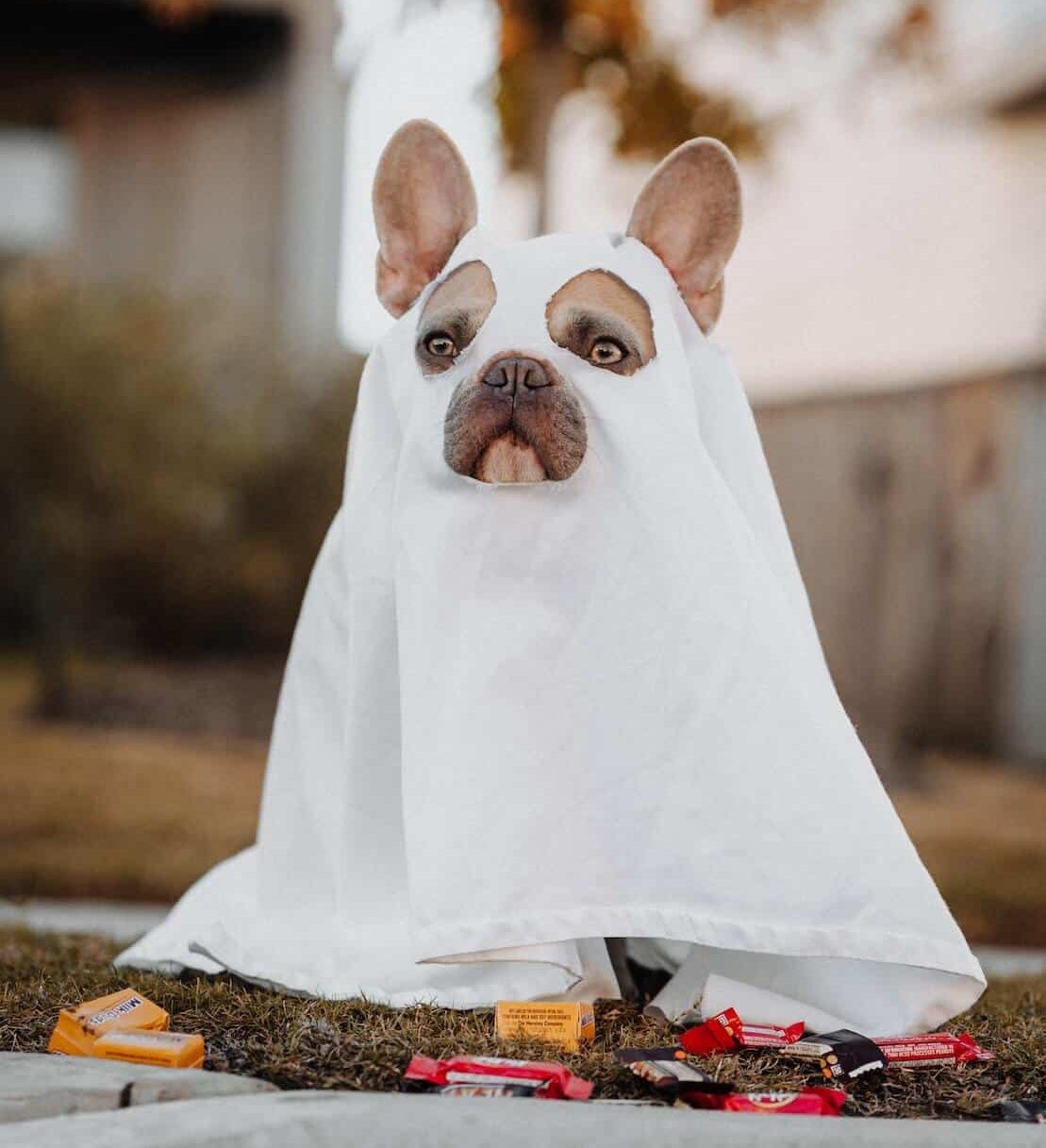
French bulldog in a sheet with eye, snout, and ear holes.

Halloween is right around the corner, bearing with it the typical abundance of pumpkins, tacky yard-inflatables, and trick-or treaters. But buried in the heightened fright of the spookiest season lies a true threat — burglars. We don’t mean to be Debbie-downers, but crooks see the costumes and increased foot-traffic as a great distraction, and the faux-cemetery in your lawn as the perfect hiding spot. Luckily, there are several preventative measures you can take to ensure your home is as formidable as ever, so you can take your mind off thieves and get back to worrying about how much candy you’ve eaten.

Burglars Look for These Signs

According to the FBI, a home is burglarized every 26 seconds in the U.S. But thieves don’t select their targets at random: they look for signs that your security is compromised. Here’s a list of tell-tale signs that a home is ripe for burglary.


Unkempt lawns: Burglars are always on the look-out for additional cover and signs that a home is sitting vacant. Typically, unkempt lawns indicate that you’ve been gone for an extended period, making it obvious that your home is unguarded. Overgrown hedges and tall grass also make for perfect cover, as thieves can easily duck out of sight or shield their presence as they break in. Though messy lawns are eye-sores for the whole neighborhood, nothing is more attractive to a thief.

Dark home: Darkened windows or doorways signal that you’re either asleep of away from home. Since most burglaries occur in 8-12 minutes, thieves have a very narrow window and thus look to strike when it’s the least likely they’ll be apprehended.

Negligence: Home burglaries are always higher during summer months since thieves know most families are away on vacation. As mentioned earlier, signs of negligence such as an unkept lawn are dead giveaways that you won’t be home any time soon. Overstuffed mailboxes or packages left sitting in a doorway also indicate that no one is checking on your house — making these items easy targets as well. Additionally, if a thief suspects that you’re away from home, they’ll likely look for a spare key before attempting more destructive break-in methods. If you’re also negligent in hiding your spare — hiding it in obvious spots, such as under a mat or in a flowerpot — breaking-in is made all the more easy.

Expensive items on display: After going through all the trouble of breaking in, no thief wants to leave empty-handed. As such, they choose to target homes they know have expensive items. Whether it be a flat-screen TV, china cabinet, or expensive jewelry, leaving your valuables near high-visibility areas . Leaving your curtains open for extended periods is dangerous as well, since thieves need only to peer inside to get a sneak-peek of their potential score.

Opened doors: This is perhaps the most obvious sign, but leaving a door or window open by mistake can serve to attack thieves that would otherwise leave your house undisturbed. Opened garages are targets as well, since it’s likely that the door inside the garage is less secure than your front door.

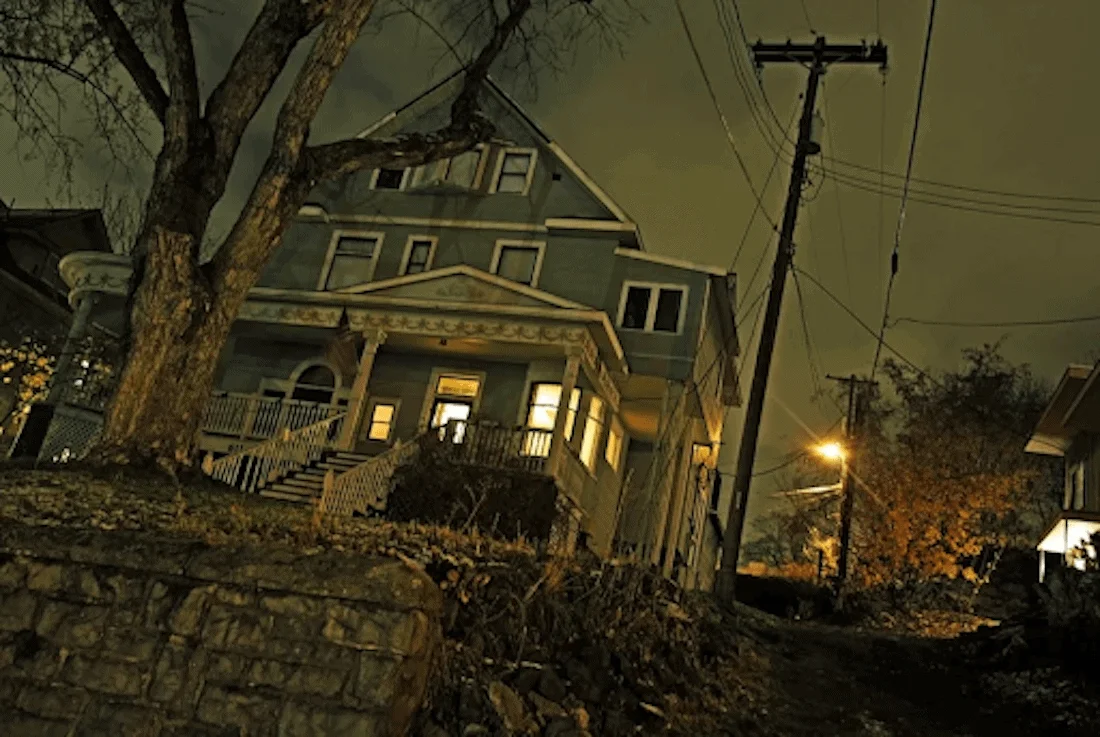
The outside of a large house at night.

Take the Target Off Your Home

Security cameras: You may have a high-tech alarm system within your home (and, in our opinion, most homes should!) but nothing stops a thief in their tracks more than an outdoor security camera. Cameras not only record evidence and signal that your residence is under watchful surveillance, but also alert you to any potential disturbance.

Guard dog: This might seem a little barbarian, but having a loud, imposing dog that barks every time someone approaches your home actually helps deter thieves. According to a survey, 34% of convicted burglars stated that hearing or seeing a dog would turn them away from a home they were considering breaking into. But be warned — dogs require a lot of care, so buying one for security purposes alone is never a good idea. That being said, these watchful guards make for loving pets.

High visibility: Mow that grass and trim up those shrubs: a clean lawn means burglars have no place to hide, and indicate that someone’s been attending to your home. If you plan on being away for an extended vacation, it’s usually good to employ the help of a friend or neighbor in keeping your lawn clean and removing any packages that arrive while you’re away.

Lights with timers: To give the appearance of being home at all times, it’s best to leave a couple lights on. But you don’t need to worry about skyrocketing electric bills when securing your home: leaving the same lights on at all times can indicate absence too. In reality, it’s best to plug your lights into an automatic timer. These devices are cheap and can be purchased online — just be sure to set the timer to “random” so thieves can’t detect a pattern.

Close up, lock up: In the survey mentioned above, 56% of burglars said they entered a residence through the front or back doors, while another 22% said they entered through a first-story window. Based on this information, it’s best to make a habit of locking up behind you every time you go back inside, and to do a lock-check of every door and window before you leave home or go to bed. Along with this, you should be sure to hide valuables out of plain view, and close your blinds or curtains as well.

Grass with an eerie mist above it.

Locksmiths Know Security

If you’re still unsure of your home’s security level, Pop-A-Lock is here to help. With our residential security audit, we’ll check your home and property for potential blind spots, and advise you on how to beef-up your security measures. Check out our website for more handy tips and info about our services.

Funny, Unique Locks for Keeping Your Favorite Things Safe

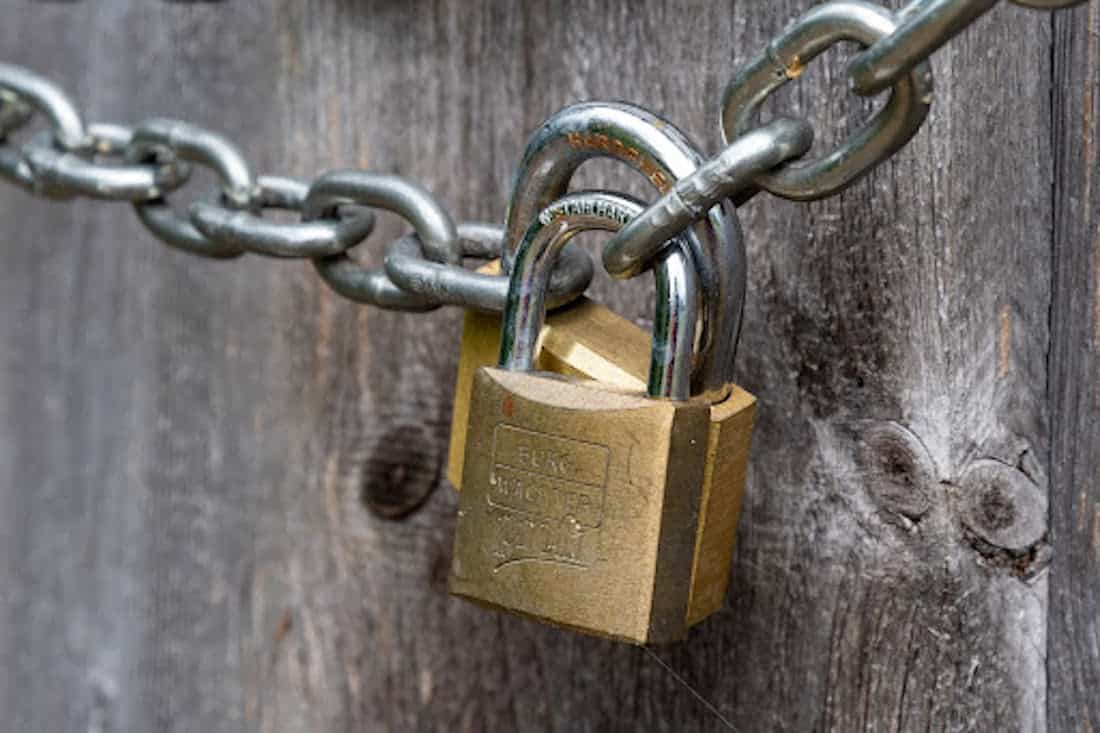
Padlock connecting a chain on a wooden fence.

If you’ve got a roommate, sibling, or someone else who constantly eats your snacks or snoops around your stuff, it might be time to lock up your items! We’ve compiled some of our favorite novelty and puzzle locks that are sure to keep your food, drinks, and treasures safe.

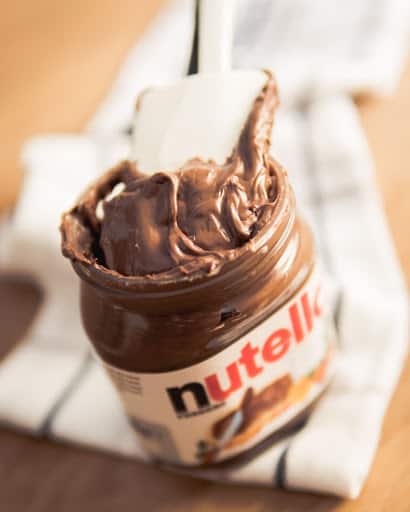
A jar of Nutella with a rubber spatula in it.

Thwart the Snack Thieves

Nutella Lock: Keep your precious chocolate hazelnut spread safe from hungry roommates, siblings, and everyone else with this locking cover that fits over a variety of Nutella jar sizes. 

Ice Cream Pint Lock: Deter ice cream thieves and keep your pint safe with this Ben & Jerry’s combination lock designed to fit perfectly around a pint of ice cream. Pints aren’t for sharing!  

Lunch Fridge Lock: It might not have been relevant while working from home, but now that you’re bringing lunch to work again, you’ll need to protect your lunch from grabby co-workers. This fridge locker cage will keep your sandwich and snacks safe and make sure no one even thinks about swiping some of your food.

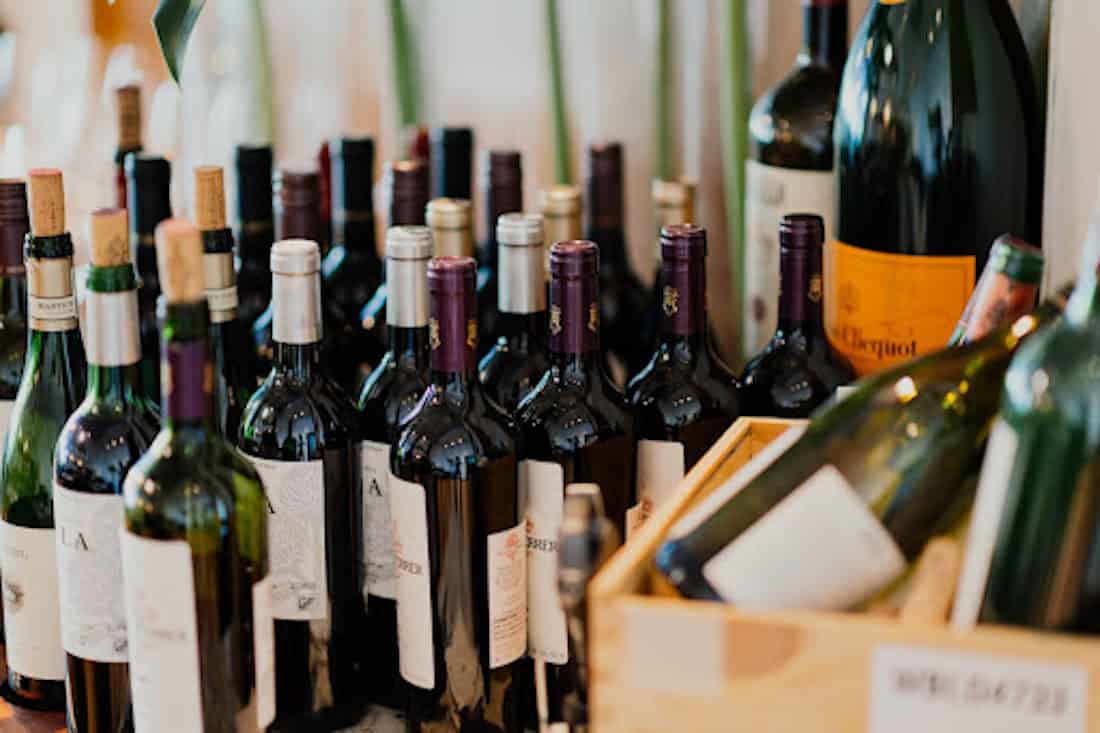
A dozen or so bottles of wine.

Secure Your Adult Beverages

Wine Bottle Puzzle Lock: Next time you give someone a bottle of wine but want to make sure they really have to work for it, attach this 3D puzzle lock and watch them try to decipher how the wooden pieces move. 

Bottle Combination Lock: Far more straightforward than the puzzle lock, this combination lock fits perfectly over opened or unopened wine bottles as well as some liquor bottles. Set your own 3 digit combination and keep others from drinking your booze.

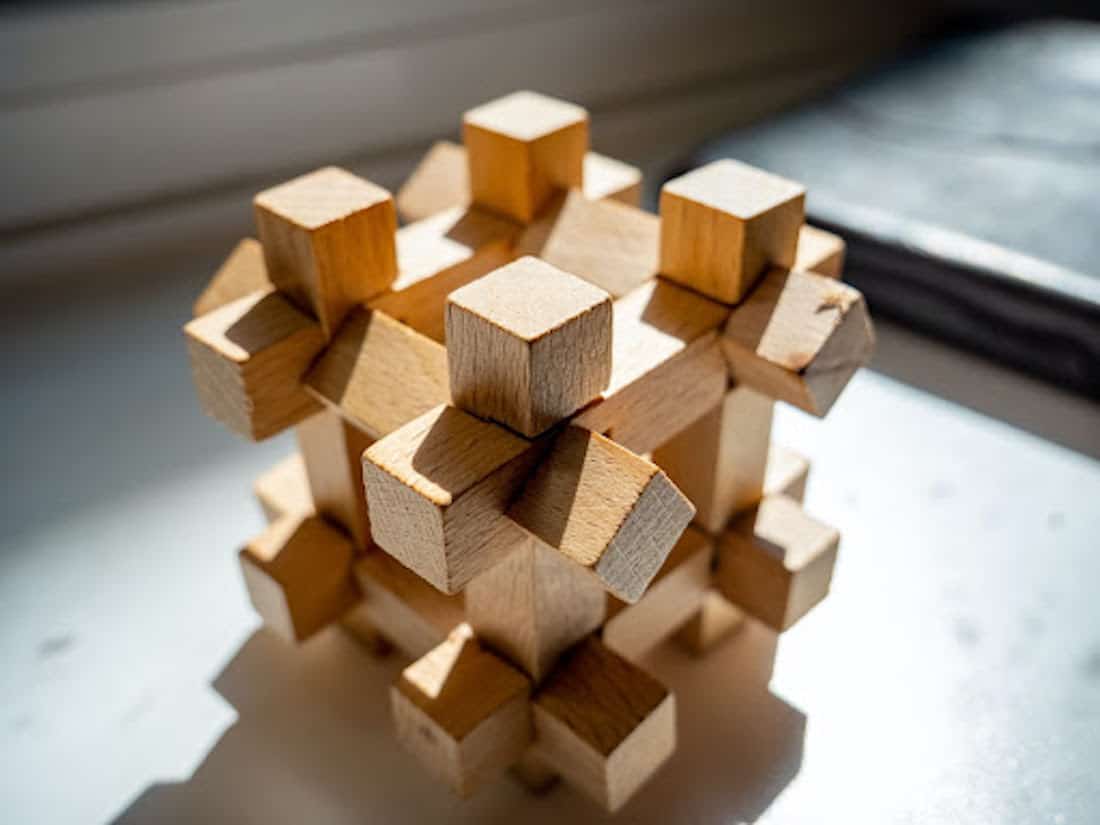
A wooden 3D puzzle.

Protect Your Most Treasured Items

Puzzle Padlock: This lock is ideal for securing something very important because even professional lockpickers won’t be able to get past it. There is no key — the only way to unlock it is by figuring out the exact sequence of steps. 

Puzzle Box: Inside this wooden puzzle box is a small chamber perfect for keeping your small, most prized possession unbelievably safe. The cube will only unlock once all of the dials on each side of the box have been turned to the correct symbol. Figuring out which symbol is the correct one for each side will surely keep someone busy for hours or be so frustrating that they’ll just give up.

A person's hands holding an iphone.

Curb Smartphone Distractions

Secret Book Safe: Hide your phone or other items in plain sight with this decoy dictionary that’s actually a metal lockbox. The exterior blends in perfectly with a stack of books or on a bookshelf and keeps your items safe with a programmable 3 digit combination lock. 

Smartphone Jail: Ensure no one is secretly using a phone at the dinner table or take away your biggest distraction with this mobile phone jail. Open the gate, put up to 6 phones inside, lock the door, and give the key to someone trustworthy.

Pop-A-Lock’s Got Your Back

Now that you’ve had your fair share of confusion, laughter, and intrigue from perusing these unique locks, you can rest assured your stuff will stay safe and protected — unless, of course, you forget the combination to your own locks. But don’t worry — if that happens, you can always call Pop-A-Lock to help you out.

Items You Need to Consider Putting a Lock On

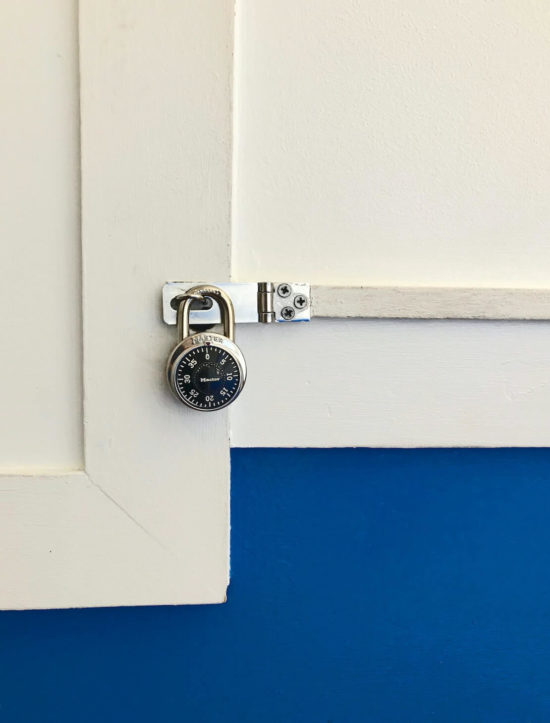
Combination lock on a white cabinet.

Doors aren’t the only things that need locks. As a homeowner, a sturdy  lock  is your first line of defense, but in the case of a natural disaster or break-in, a locked door won’t stand between your valuables and destruction. In these cases — and countless others — it’s best to keep valuables and dangerous items under an additional layer of lock-and-key protection.

Put a lock on it

Whether you realize it or not, your home is full of overlooked dangers and valuables that need to be secured against unwanted intruders. Here are the top household items  to consider putting a lock on:

  • Household hazards: Every household is also home to myriad commonplace hazards: the cleaning chemicals we keep under the sink, the nail polish remover in your bathroom cabinet, that drawer filled with small knick knacks. From the perspective of a toddler or dog, these holding spots seem mysterious and fun — but their contents can be lethal. If you live with small children or pets, it’s important to think of their safety first, and secure every door, cabinet, and drawer that contains items that can be dangerous. As a general rule, this includes cleaning supplies, hygiene products, alcohol, batteries, coins, knives and other sharp objects. Really anything that would be hazardous if swallowed.  To secure these spaces, consider adding a simple baby-proof lock or a deadbolt lock that requires a key to those doors leading outside that toddlers or pets can easily open. 
  • Medicine cabinets: Like the above, medicine cabinets store ointments and medications that are incredibly valuable when used properly, but  potentially lethal when not. To keep these items out of the wrong hands, consider adding a child-proof lock or a key-lock to your medicine cabinet door. This will help you monitor family members who use its contents, in addition to providing extra protection in case of a break-in. Since most prescription medications and topical care products are both expensive and difficult to obtain, taking this small step toward further securing your home can be life-saving.
  • Luggage: Airports are infamous for luggage debacles. Whether it was a suitcase spilling open on the baggage claim or a well-meaning passenger accidentally mistaking your luggage for their own, we’ve all seen a thing or two while traveling. To prevent an unfortunate mix-up or add an extra layer of privacy, consider adding a simple lock to your suitcase!
  • File cabinet: If you don’t want to go so far as purchasing a safe for important legal or medical documents, adding a lock to your filing cabinet is the next best step. However, it’s important to note that most filing cabinets are made of thin sheet metal, meaning that only a turn-key lock could be installed. Additionally, these materials cannot withstand significant force, and would likely break open in the case of a fire or natural disaster. That being said, so long as you keep your key in a secure location away from the desk, a simple lock may be all you need to deter potential thieves or household busybodies.
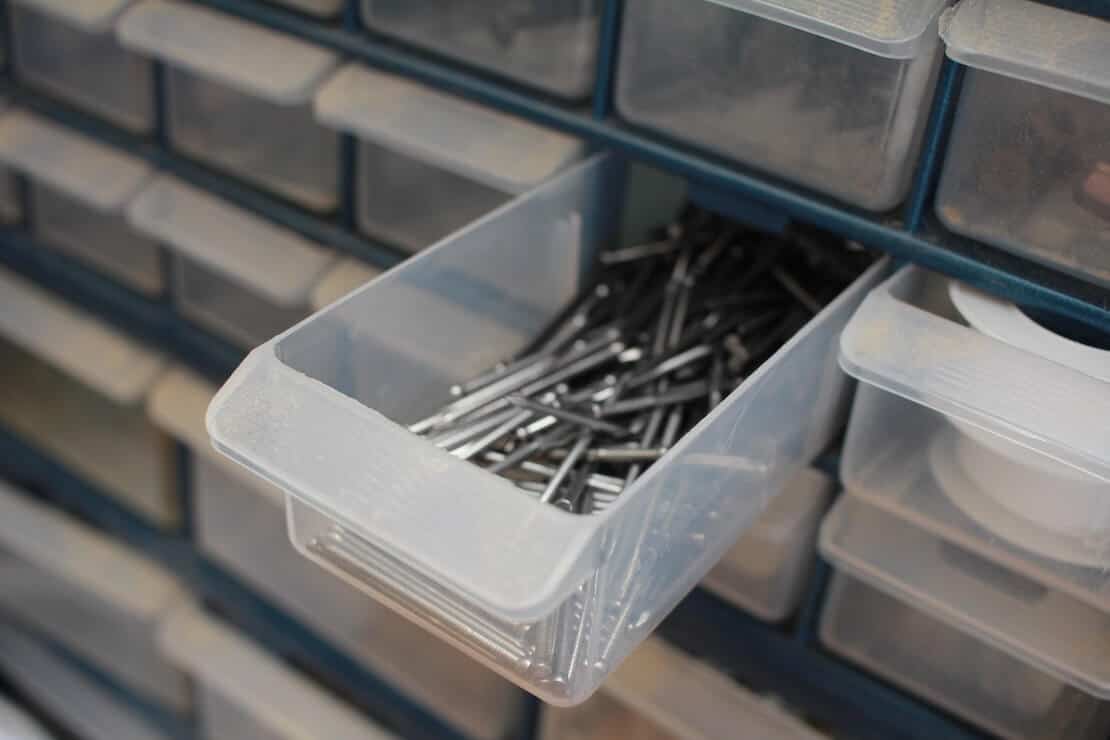
Small plastic organizing drawers; one is open and has nails in it.

Keep it safe

Sometimes, a mere zip-tie or combination lock isn’t enough. For the priceless valuables and paperwork lying around your home, it’s best to seek the help of a locked, destruction-proof safe. Just to clarify, these items include:

  • Important family documents: Original birth certificates, passports, and social security cards are incredibly difficult to replace, and imperative to have on-hand in the event of an emergency. Through storing your family’s personal documents within a safe, you’re protecting these documents from damage or destruction (not to mention keeping them organized in a handy location!) in case you become displaced due to a fire or natural disaster. 
  • Insurance & legal documents: Should your home get damaged in the unlikely event of a fire or natural disaster, it’s important that your insurance policies and titles remain intact. High-security, fire-proof safes can withstand significant outside force and protect the integrity of your documents. Protecting  insurance policy paperwork can be  integral when trying to access funds for an unexpected emergency. In the same vein, securing your home or automobile titles can protect your claims to your property should they ever come under dispute. 
  • Valuables: Whether it’s priceless jewels, a rare first-edition book, or Grandma’s china teapot, anything a household considers irreplaceable should spend most of its time resting within a locked safe. This isn’t to say you shouldn’t show your valuables off from time to time If a burglar enters your home, for instance, valuables left in the open become instant targets since they’re easily pawned.
  • Firearms: Locking your guns away in a secure safe can protect against these deadly weapons falling into the hands of our youngest family members, in addition to further guarding against a potential misfire. Additionally, in the event of a break-in, securing your guns can prevent financial loss and the possibility of burglars using your own weapons against you.
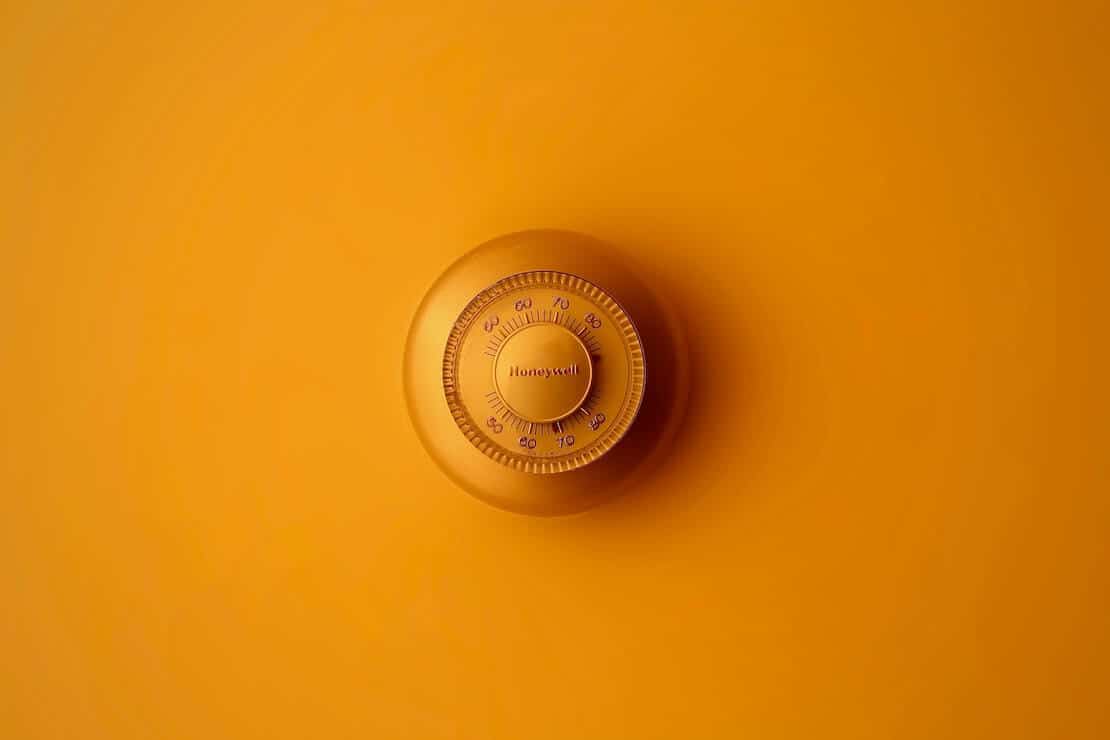
Orange combination lock on an orange surface.

We know locks

It’s in the name. Here at Pop-A-Lock, our technicians know locks like the back of their hands. It’s why you can count on us to tackle all your residential locksmithing and security needs. Call us to get acquainted with one of our experts now, or hop on over to our website to learn more about our services.

The Zodiac Signs as Vintage Locks: Which One are You?

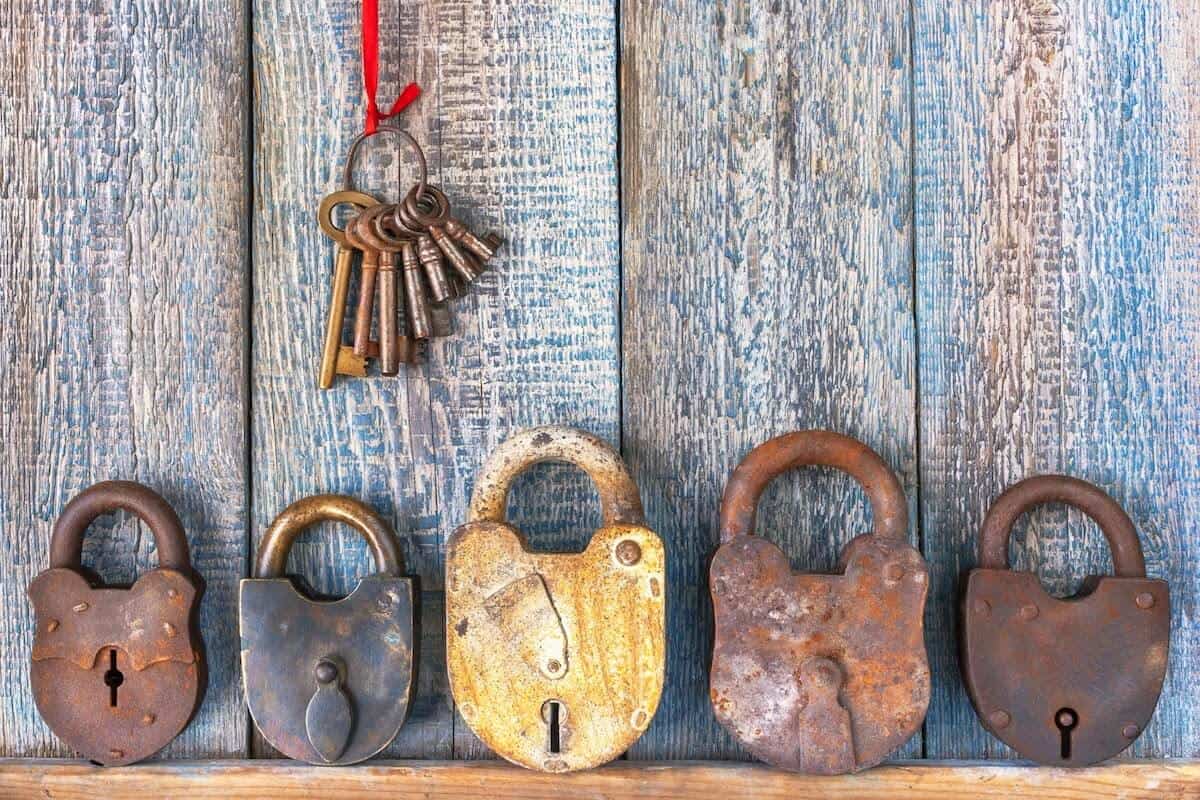
Five vintage padlocks in various colors leaning against a weathered wall. Above the locks, a ring of keys is hanging on a ribbon.

These days, “Zodiac signs as fill-in-the-blank” listicles dominate online journalism. And, hey, we don’t blame these publications: with modern society bringing a series of looming existential questions ever-closer, sometimes it’s comforting to look at everything through the lens of predetermined star traits. We figured it’s high time we joined the fray by making a Zodiac list after what we know best: locks.

Scroll on to see which expressive vintage locks best represent your sign.

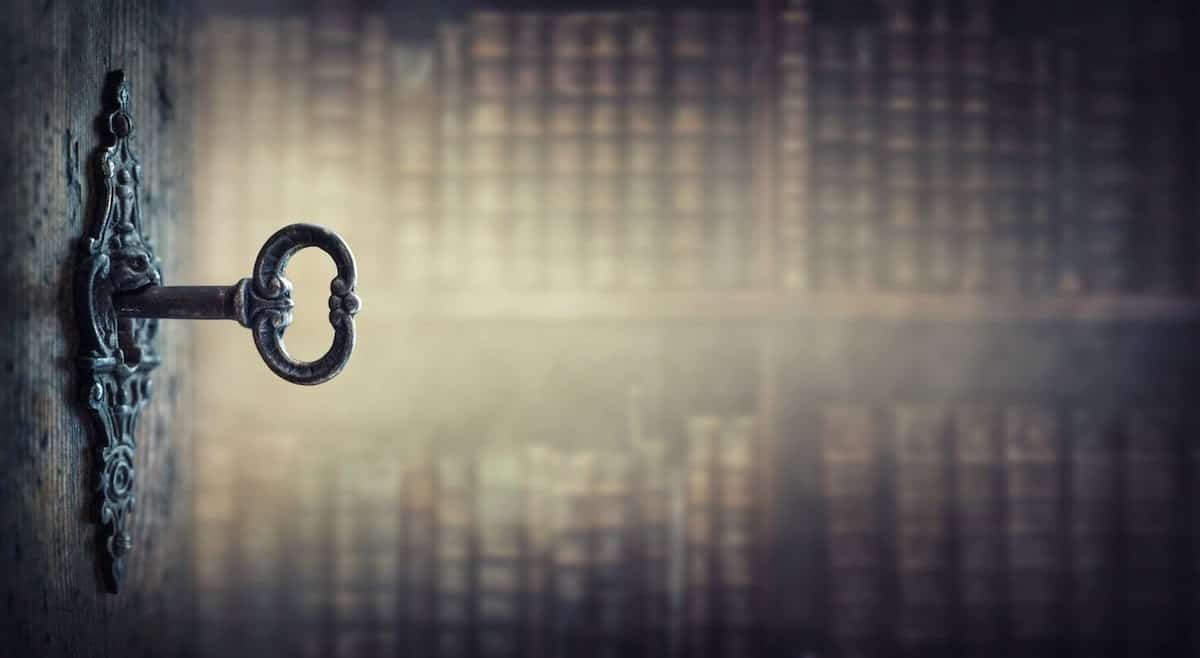
An ornate key sticking out of a lock in a dimly lit library with a mysterious air to it.

Aquarius (January 20th - February 18th)

An air sign represented by the Water Bearer, Aquarius seems born to break the mold. These signs are highly intelligent, creative, and progressive, defying categorization at every turn. In doing so, however, they’ve garnered a bit of a reputation as the rebels of the zodiac. These traits all go to make the Aquarius a quirky, eclectic personality who’s more than a little misunderstood by their peers. For these reasons, we’ve chosen this discreet, ornamented side door lock to represent the sign. Though not an industrious lock, the subtle detailing implies creativity and expression, a lock likely used to conceal a library or secret room.

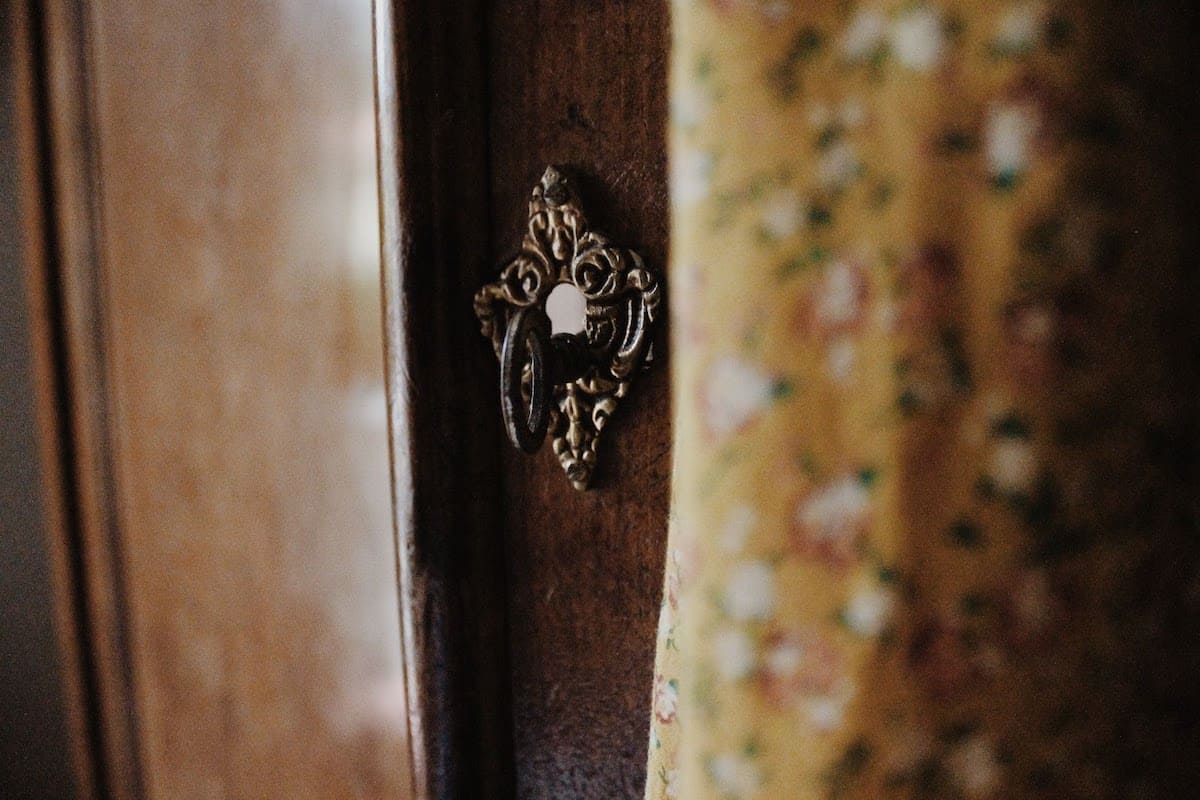
Skeleton key sticking out of an ornate lock on a door.

Pisces (February 19th - March 20th)

One of the more sensitive signs on our list, the Pisces is a deeply feeling, intuitive person who often gets wrapped up in their own emotions. However, this isn’t necessarily a flaw: in friendship, they forge deep, unbreakable bonds with those they connect with, while their emotionality leads them to excel in creative pursuits. In many ways, they’re like this diamond-shaped ornamental lock — expressive, elegant, and imaginative.

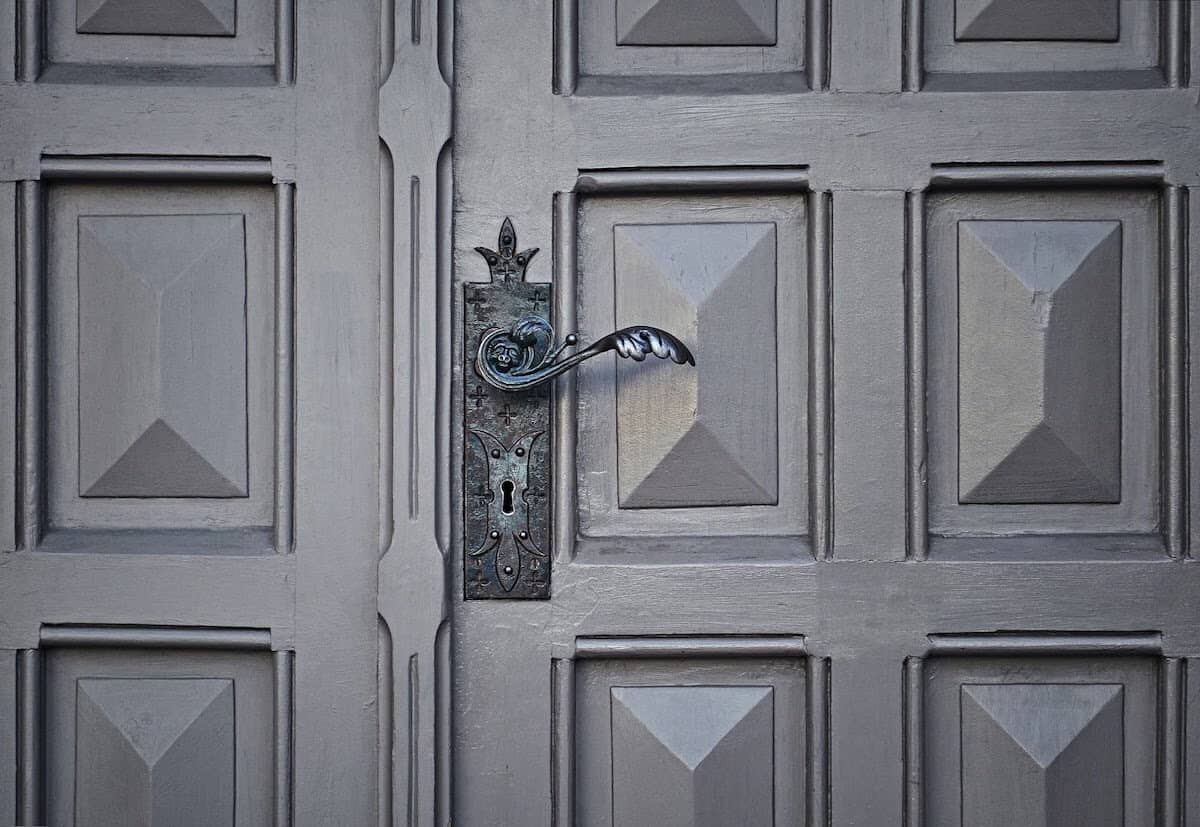
Lock with a swirled door handle on a grey door with geometric patterns.

Aries (March 21st - April 19th)

The sharp trimmings and hardy steel on this 19th-century door lock and knob are the perfect matches to the willpower of an Aries. With fire as their ruling element, Aries are known for being self-assured and commanding, taking charge the moment they feel a new want. As with steelwork, this ambition can come across as cold or abrasive, yet one still has to admire the power. They’re incredibly straightforward and candid regarding their feelings, which lends them a certain charm akin to the foliage embellishments on this lock.

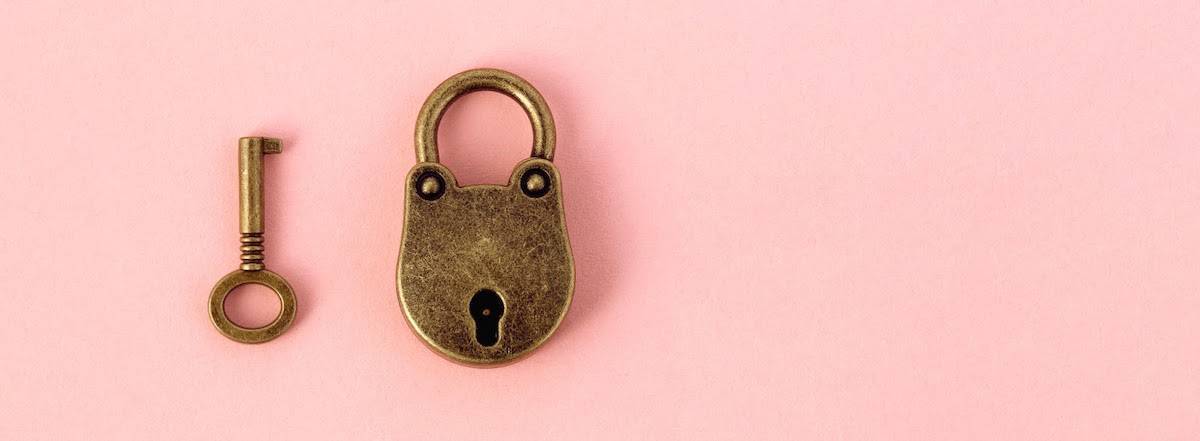
A simple brass padlock next to a matching key on a pink background.

Taurus (April 20th - May 20th)

Grounded, stubborn, loyal. These traits could define Taurus, the second astrological sign, or a classic, Victorian brass padlock. Similar to the earth sign, brass padlocks are among the toughest around, able to withstand great pressure for the sake of protecting the thing they hold dear. This obstinate dependability often lends the Taurus a regal air but, like the lock, their willpower often causes them to be close-minded and stuck in their ways. Only a deft, understanding soul (or a key) can lead them to become more open.

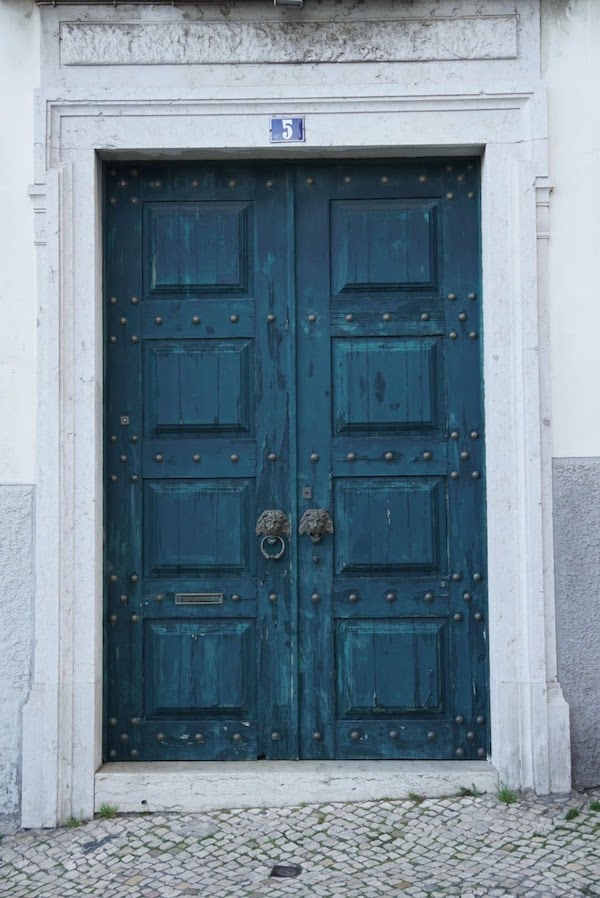
A set of teal double doors with iron lion shaped knockers.

Gemini (May 21st - June 20th)

We’ve selected another ornamented lock for Geminis, arguably the most unpredictable sign, this time in a dual set. These iron lion knockers — one with the ring, one without — represent the Gemini’s internal caprice. We’re not saying they’re two-faced or anything, but it’s no doubt this sign is defined by an intrinsic tendency to swing between the rational and irrational, the reserved and expressive. For these reasons, conflicting double-door knockers seem the best vintage lock match.

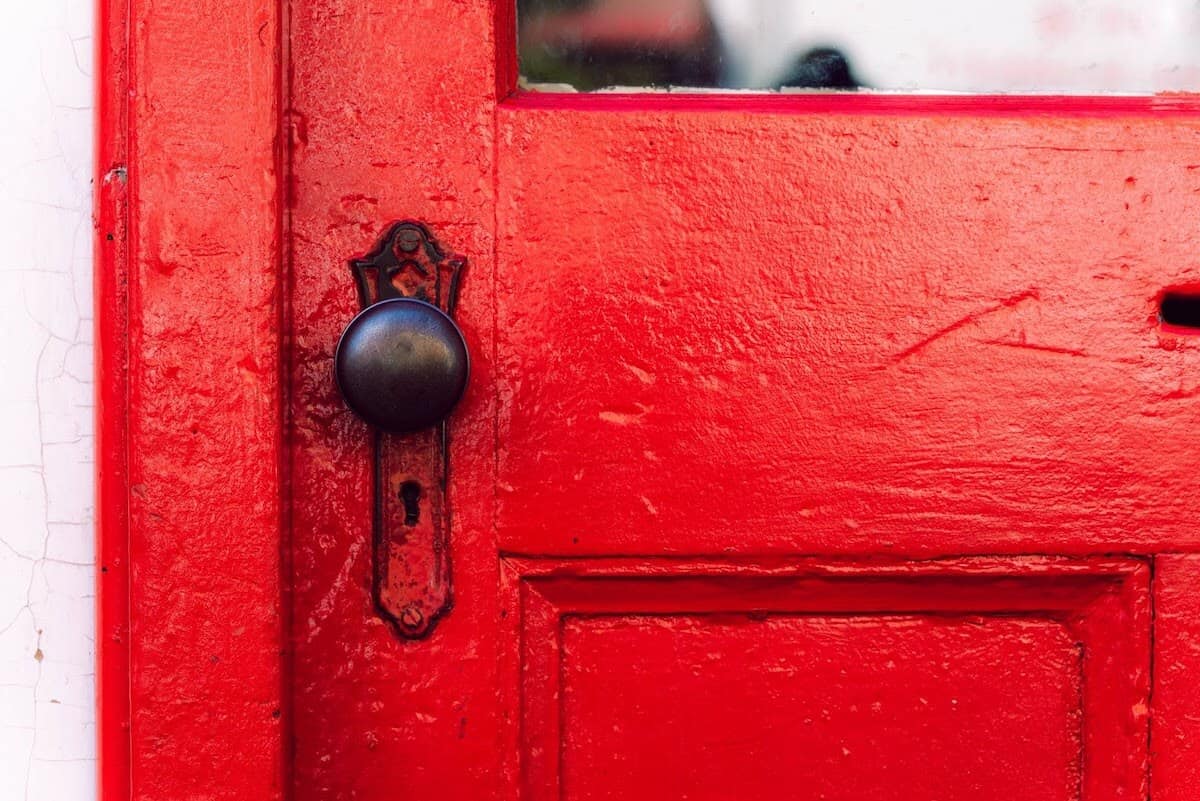
Simple lock and doorknob on a red door.

Cancer (June 21st - July 22nd)

Cancers feel everything, all of the time. Often, the water sign’s emotions emanate from a deep part of themselves and, once they feel a new mood, they ride the wave until they uncover its source, or get as close as they can. Other times, however, the sign will take on the feelings of others, carrying their grief or sadness. In many ways, this impressionable emotional state resembles the above Victorian townhouse lock, scalded by time and wear. It might seem cold on the surface but after a closer look, you can’t help but smile thinking of all the varied experiences that passed this way before.

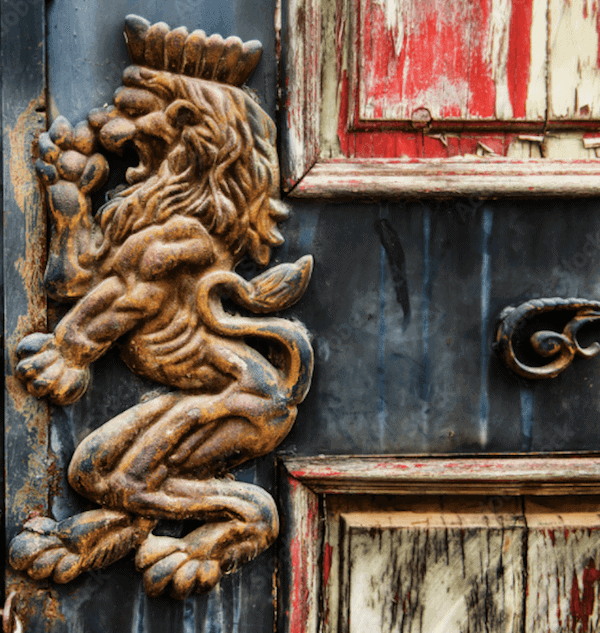
An ornate lion lock.

Leo (July 23rd - August 22nd)

Only a lock as majestic as this ornamented iron lion could match the energy of a Leo. Known as the most flamboyant sign of the twelve, Leos are natural people-persons, equipped with enough personality and charisma to fill a room. Just as a lion lock would grab your eye, so too would a true Leo. Similar to their lion namesake, Leos are brash, confident (sometimes to a fault), and always lead with their hearts. Whether someone would choose an ornamental lock or Leo friend is a matter of personal taste, but one thing for certain: once you see them, they’re pretty hard to forget.

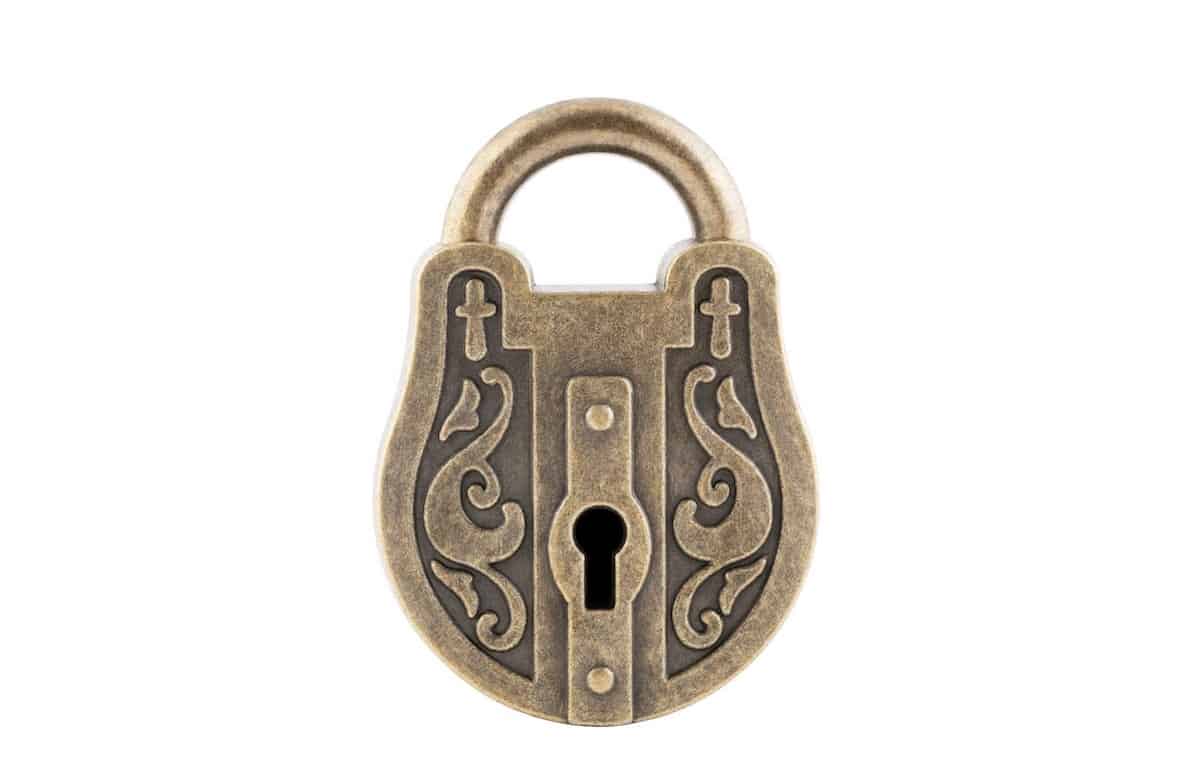
A brass padlock with swirl motifs.

Virgo (August 23rd - September 22nd)

For the tender-hearted Virgo, we selected this decorative brass padlock. Like the quaint, drawn-in nature of the lock, Virgo’s are natural introverts with an eye for perfection. Padlocks are the most effective locks in keeping their contents restrained and protected, making them the natural counterpart to the Virgo’s desire to self-actualize and their innate humility. Additionally, to feel truly fulfilled, Virgos need to be useful, and there’s no lock more dependable than the one above (though Virgos themselves make far better friends than a hunk of metal).

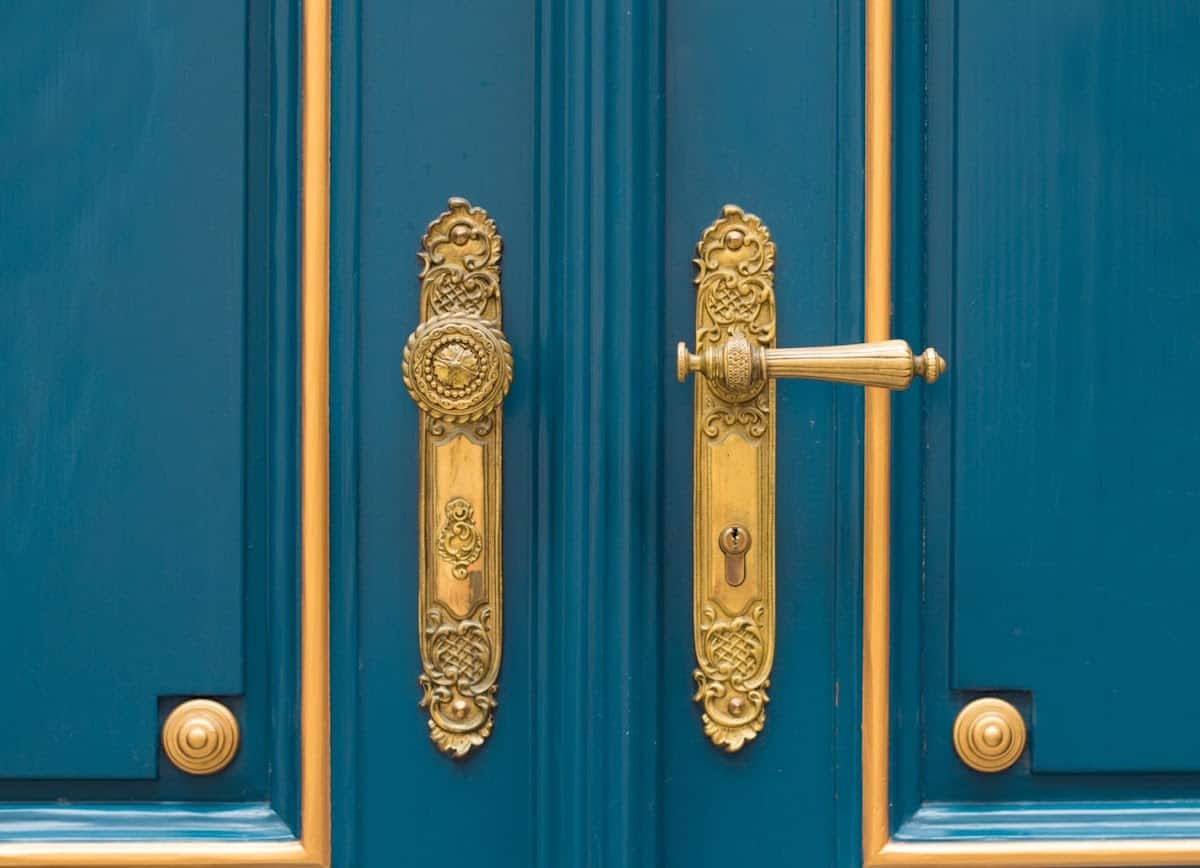
Gold plated doorknobs on teal doors with gold accents.

Libra (September 23rd - October 22nd)

At a glance, the trait that best defines Libras — the sign symbolized by balancing scales — is their desire to be seen as good. Like these gold-plated baroque locks, this need results in a charisma teetering on flashy at times, though it’s all to gain the admiration of others. They care about people’s feelings to such an extent they often become their mirrors (read: like these reflective locks), often to the detriment of their own self-understanding. But on the whole, Libra’s inherent compassion guides them to help others, becoming embodiments of responsibility not dissimilar to the regal duo above.

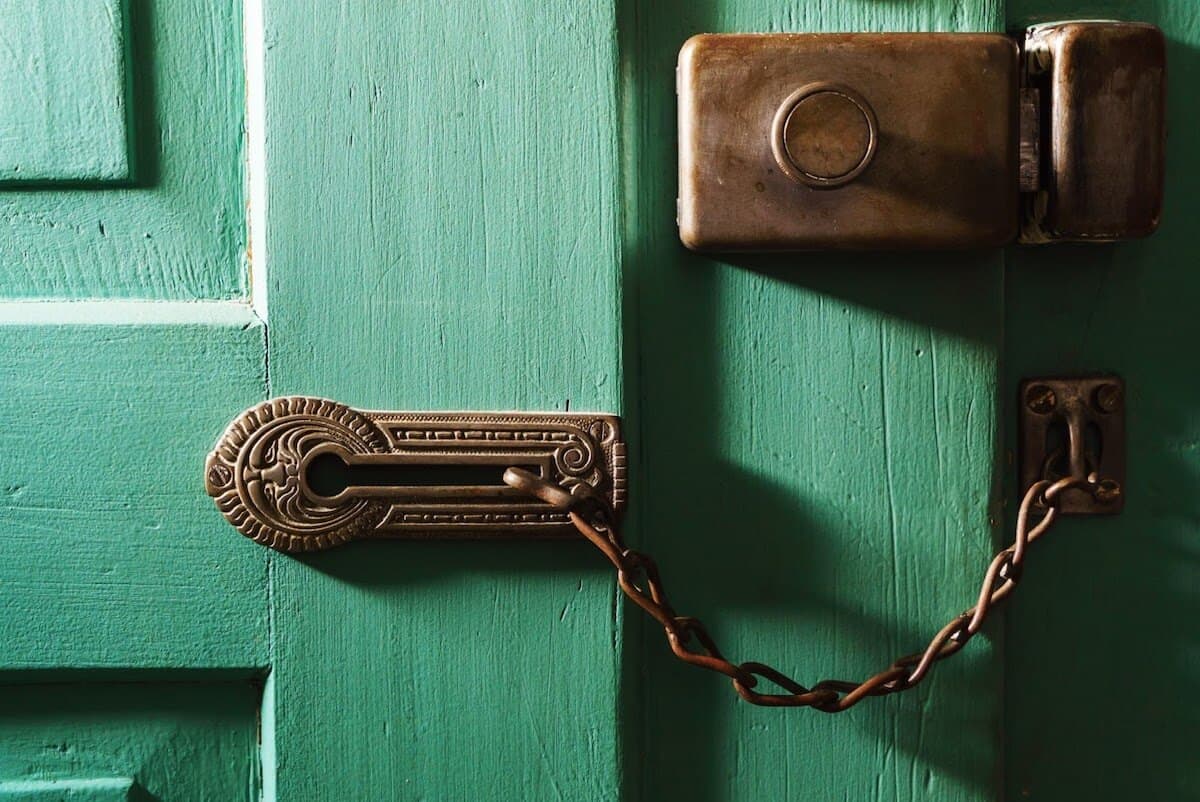
Decorative brass deadbolt on a green door.

Scorpio (October 23rd - November 21st)

We’re shaking things up and going with a decorative brass deadbolt lock for Scorpio, one of the most peculiar signs on our list. The Scorpio is deeply perceptive, analyzing layers of social interaction in an instant, all to spin a situation to their advantage. But doing so is often a defense mechanism, a way for them to feel in control and block others from knowing them further. This brass Art Nouveau deadbolt represents both the Scorpio’s deep insecurity and their greatest gift: their profound understanding of others’ needs.

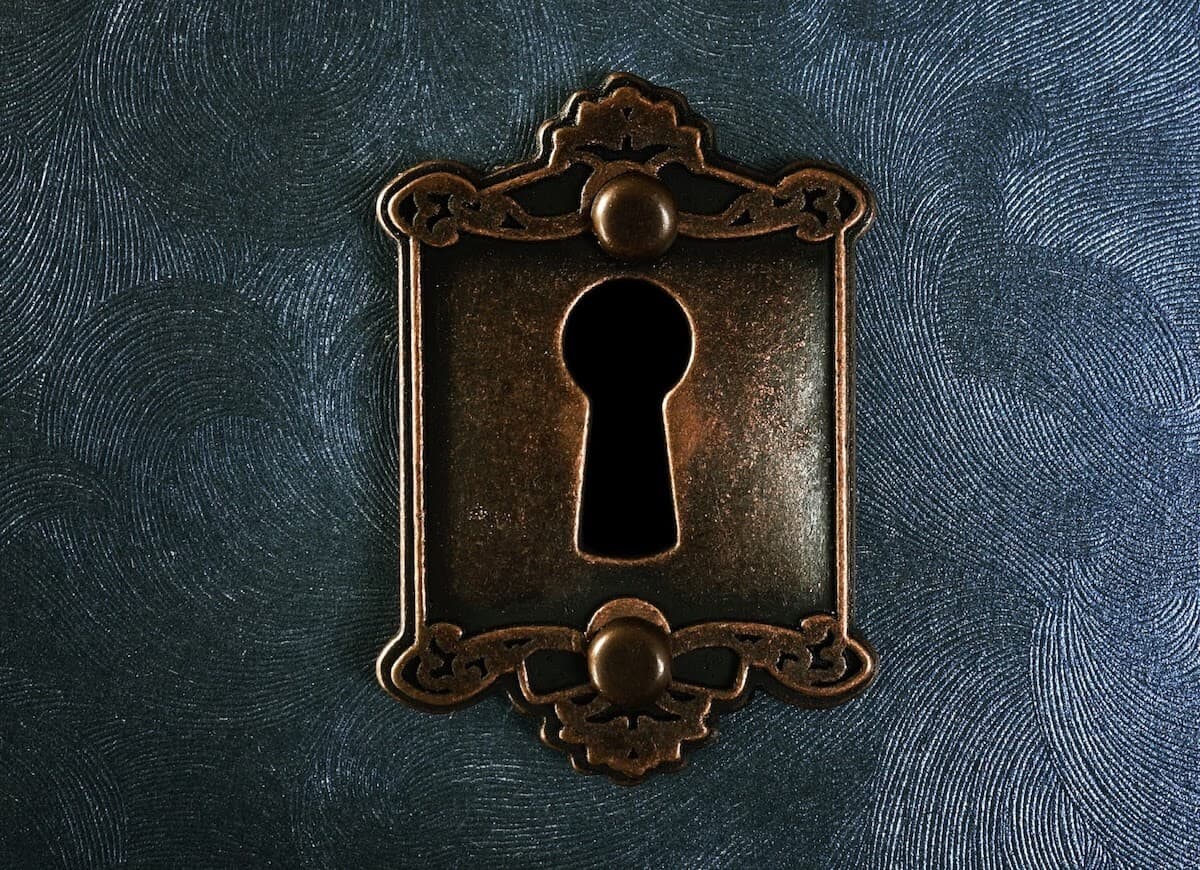
Decorative brass keyhole on a blue textured background.

Sagittarius (November 22nd - December 21st)

Oh, the Sag, the real type-A-go-getter of the star signs. To an even greater degree than their fire sign counterparts, Sagittarius is grounded in principle and obsessed with self-betterment, making them forces to be reckoned with on any path they choose. In many ways, they’re like this sturdy vintage keylock: industrious and intentional, with a trace of ornamental embellishments hinting at greater aspirations.

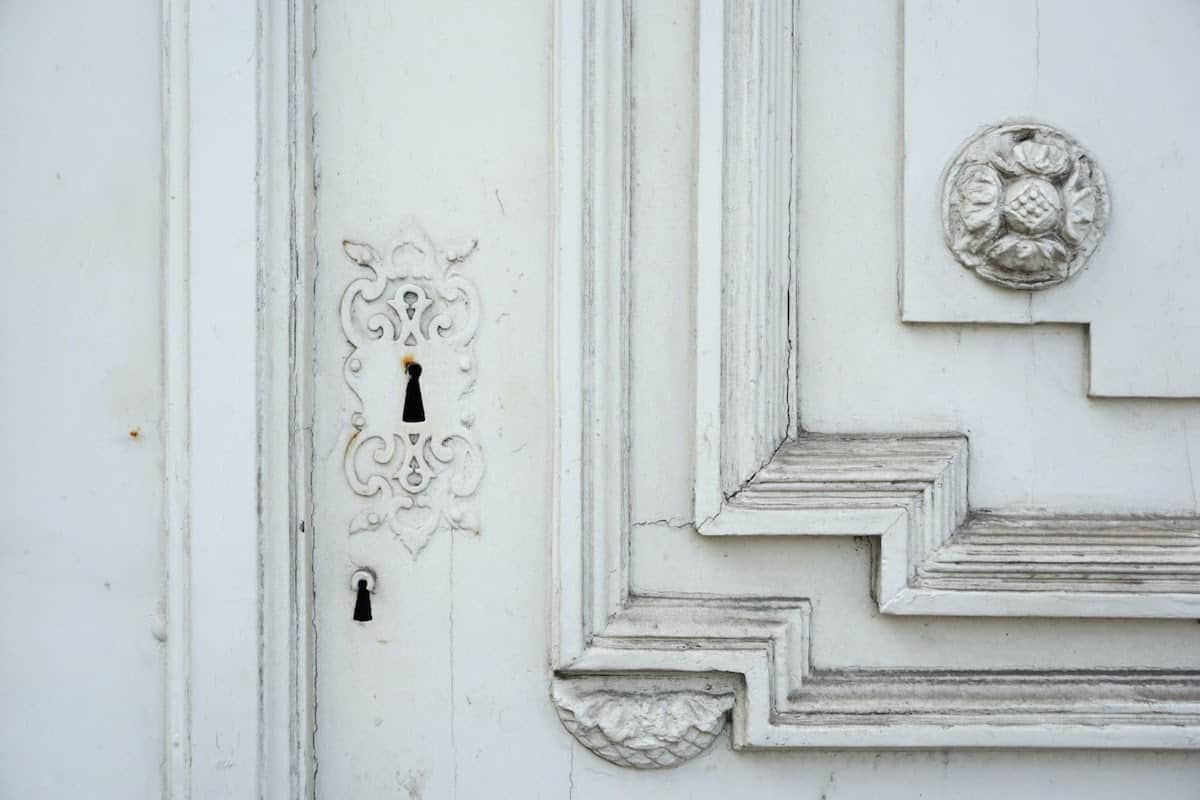
White-painted lock on a white door with ornate detailing.

Capricorn (December 22nd - January 19th)

Capricorns are bastions of responsibility. The “mom friend.” Their deep compassion is both their greatest strength and greatest weakness, causing them to either take on duties no one else can or run themselves ragged trying to pick up everyone’s slack. Like these 18th century locks, painted over to blend into the door, a Capricorn’s empathy and pragmatism can sometimes cause them to get overlooked for their flashier friends but, deep down, they know they’re the structure that keeps everything together.

PAL is in Your Horoscope

Though your door lock’s fate may be written in the stars, you shouldn’t sacrifice quality to chance. No matter if you’re looking to rekey your lock, upgrade to a high-security lock, or simply get back inside after being locked out, give us a ring — we’re here for you anytime.

How to Organize All of the Keys on Your Keychain

Wall full of keys hanging on hooks.

Back to Basics

Our keychains do so much for us but after a while, they can easily get out of control. From bulky car keys to store memberships, it can be tricky to identify the right key with so much clutter. Let us help you organize and minimize your keychain to help lighten the load weighing down your purse or pants. Follow our step-by-step guide and be on your way to a sleek and organized keychain!

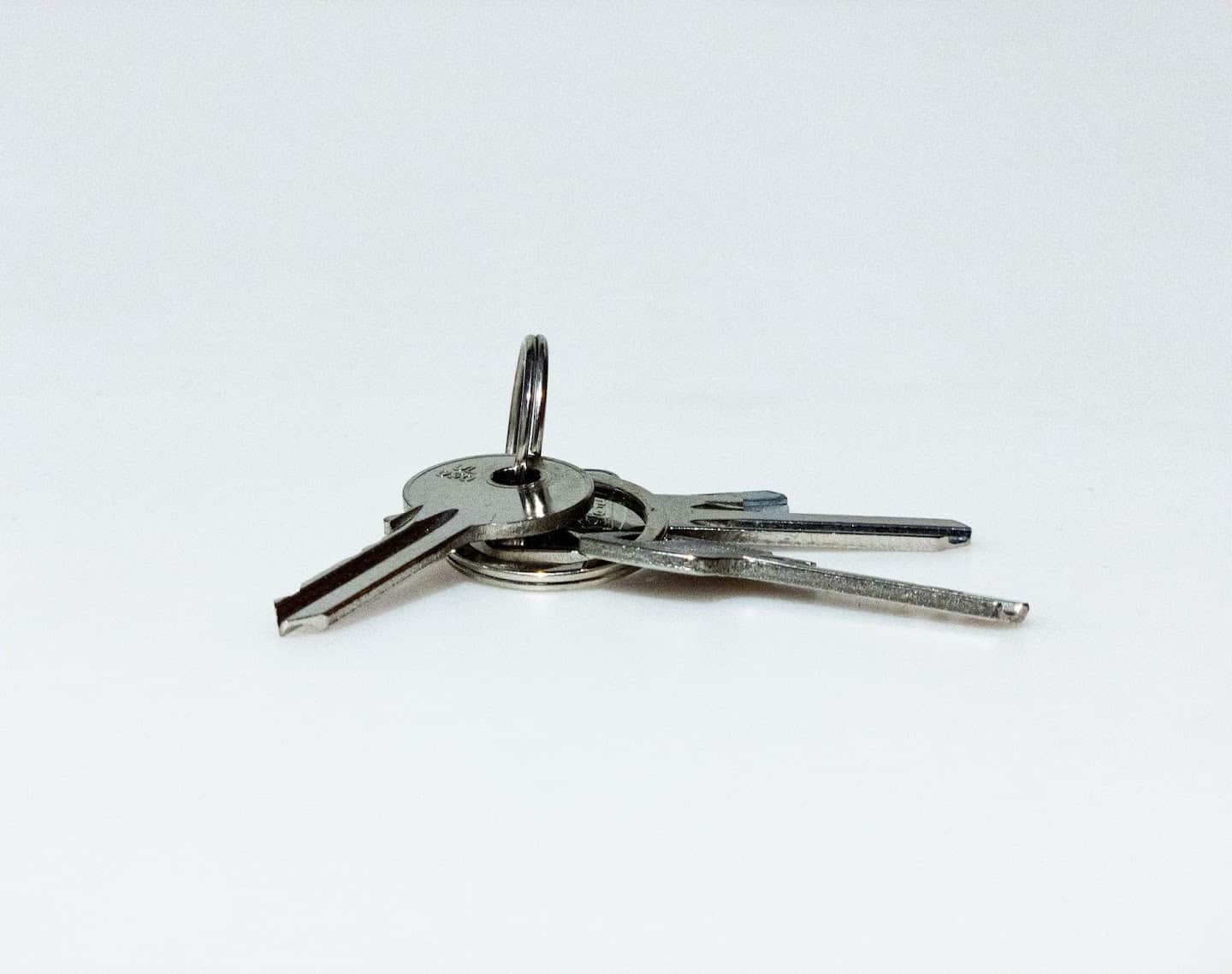
Three keys on a keyring on a white background.

Sort Your Keys

It might seem like an obvious first step, but it’s obvious for a reason. Organizing your keys is the perfect starting point to understanding what is essential and what isn’t. First, take all of your keys off of your existing keychain and immediate set aside items that are not keys. Including, but not limited to, souvenir keychains, duplicate keys, or keys that you no longer use. Next, sort your keys into piles based on their function such as house keys, car keys, or office keys. Doing this will allow you to have a sense of which keys you have more of and which keys can be grouped together. There will be more on that later. Finally, in each function group, organize your keys by their frequency of use. We recommend categorizing them into daily, weekly, infrequent, and rarely or never groups to establish which keys should be carried around with you or locked away in storage.

A hand with a keyring around the index finger.

Get Crafty!

Your lifestyle is unique, so is your optimal key organization method. Whether you’re a fan of color coding or are a home decor fanatic, we’ve got some ideas for you to perfect the method to your madness.

Color Coding

Starting off with a tried and tested technique – color coding. This simple and visually appealing strategy will help you recall which keys serve which purpose just by looking at them. All it takes is visiting your local hardware store or searching Amazon to find key caps or covers in colors you like.

Labels

Our next tip is for label lovers! Labels, like color coding, serve as an excellent way to organize your keys in a more specific way than just using color coding. This step is completely personalizable and guarantees you will never mistake one key for another again.

Home Decor Solutions

Finally, there are several home decor options for organizing your keys such as key hooks and catch-alls. These are perfect additions to any entry way as there are so many styles to choose from and make forgetting your keys a difficult task.

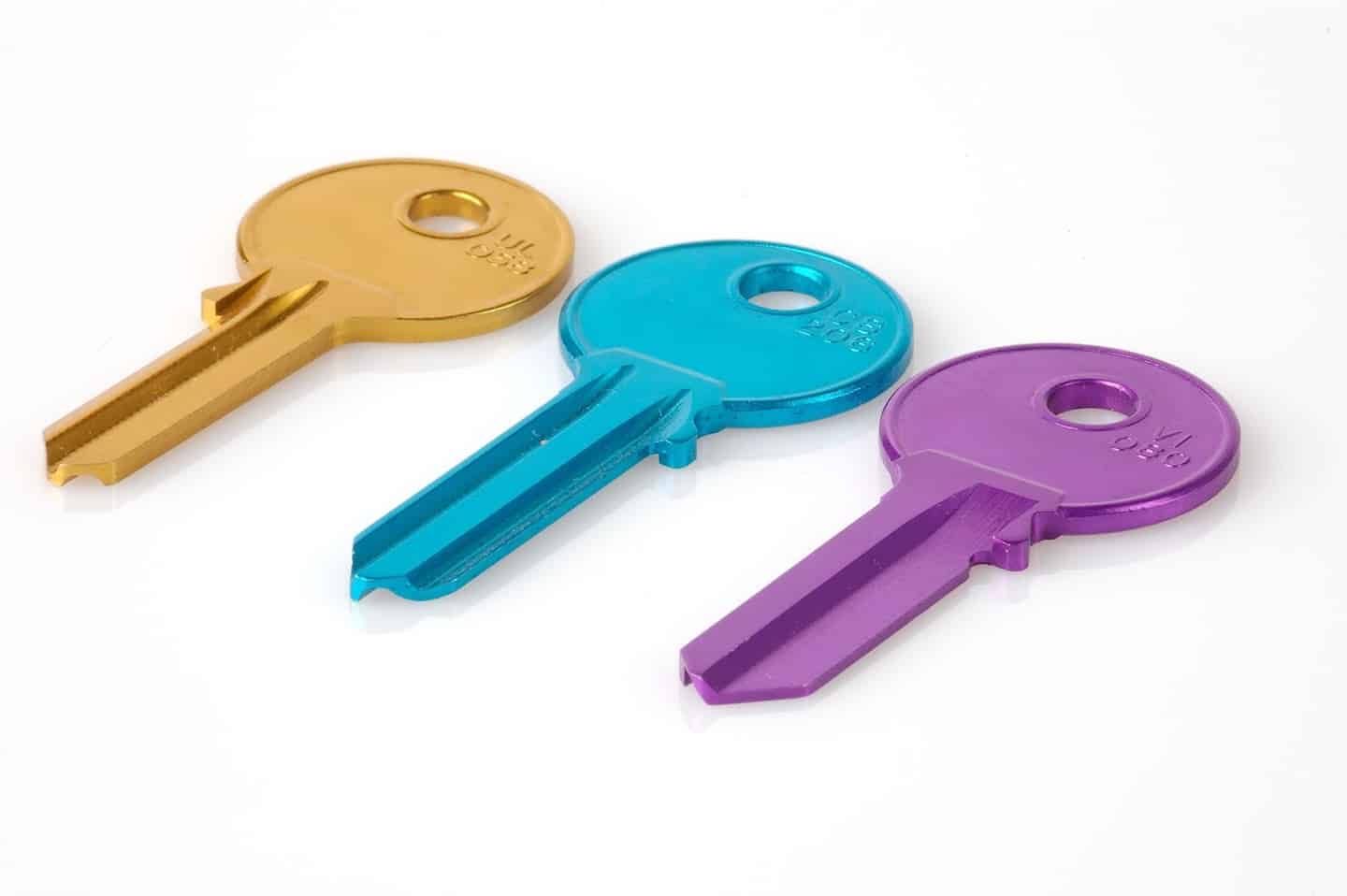
A yellow key, turquoise key, and purple key lying on a white background.

Store Your Keys

To keep your keys sorted and secure while you’re on the go, here are our suggestions for the ideal ways to store your keys. For those keys you use less frequently or only in a specific location, we suggest finding secure storage to keep your keys protected. For example, put them away in the glove compartment of your car, in a safe, or even in a hidden drawer to make sure you control who knows about your keys. As for the essential keys you use everyday, keychains are not your only option. From the nifty, noise-minimizing Keybar to a convenient key wallet, there are infinite options to choose from.

Call Us 614-424-6736