614-424-6736

Things You Need to Consider When Purchasing a Safe

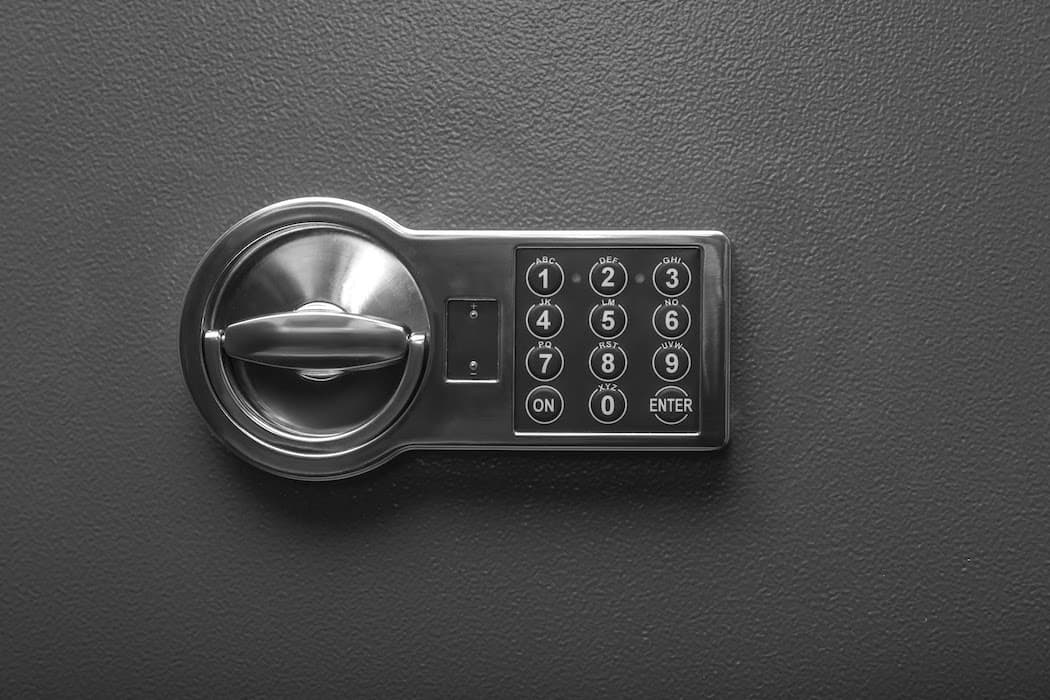
A safe with a keypad and bolt lock.

Safes hold an interesting place in our imagination. When we think “safe” we picture an armored case protected by a turn-lock and tucked away behind a painting, no doubt guarding top secret plans or priceless jewels. But you don’t need to be a 19th century baron to employ these nifty devices in protecting your valuables. As a homeowner, any item you would consider irreplicable is worth securing. A safe might just be what you need to help you sleep a little more soundly, knowing your possessions are guarded in case of the worst.
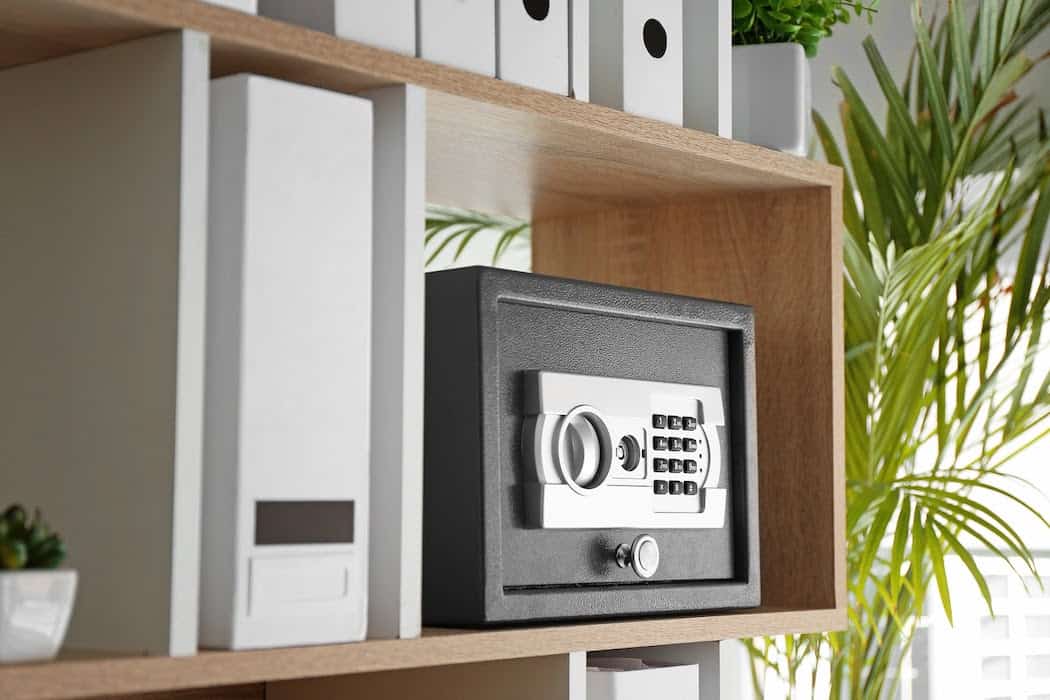
A safe on a shelf.

It Pays to Have a Safe

Purchasing a safe is an investment toward your financial and personal security in the case of an unexpected crisis, such as a home invasion or natural disaster. Whether it’s a legal document, precious heirloom, expensive jewelry, or an obscure trading card collection, all households have valuables that would be considered nearly impossible to replace if damaged or stolen. Secured safes protect these items in case of an emergency. If a burglar entered your home, for instance, valuables left in the open would become immediate targets, and those left unsecured would likely be sought and found as thieves look for items that can be easily pawned.

Additionally, if you or someone in your household owns firearms, keeping them locked  inside a safe can prevent members of your household from being hurt in the unfortunate case of a misfire. It’s also great way to keep these devices  away from curious little hands and criminals alike.
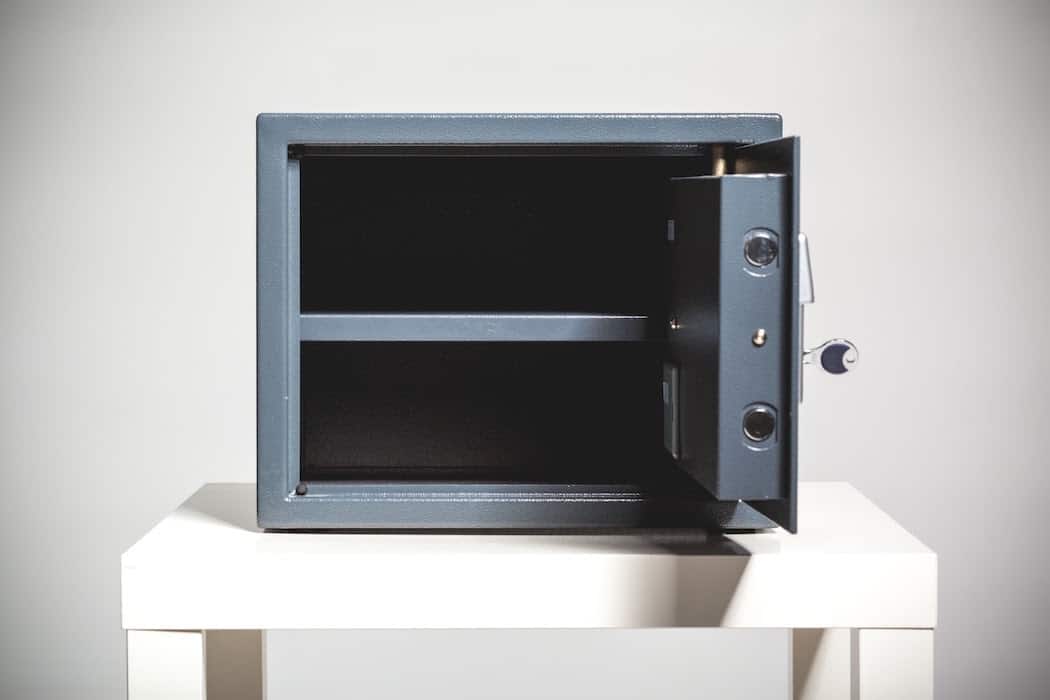
Open safe on a table.

Top Considerations When Choosing a Safe

After you’re set on purchasing a safe, it’s important you select a model that corresponds to your specific needs — especially because high-end safes can be incredibly expensive. While all homeowners have different reasons for buying a safe, these are specific functions everyone should consider:

  • Fire-proof or fire-resistant: These two terms seem to mean virtually the same thing, but homeowners should be aware of the subtle differences between fire-proof and fire-resistant safes, and what this means for their valuables. Both FP and FR models protect safe contents from high temperatures. However, “fireproof” is usually associated with products that are slightly more durable, being able to withstand high temperatures for longer periods. For these reasons, safe manufacturers and industry marketers prefer this term, and highlight the virtues of fireproof safes to a greater degree than fireproof ones. Generally, fireproof safes are thought to provide a basic shield against fire and nothing more. 
  • Safe thickness: It might seem intuitive, but the thickness of your safe’s walls are of the utmost importance. The complexity of the locking mechanism or durability of the material won’t mean a thing if the safe itself can’t withstand significant force. To start, consumers should look into the safe’s UL rating. UL stands for Underwriter Laboratories, a third-party company that’s been trusted for centuries and tests products to determine if they meet specific, defined requirements. The majority of safes have a UL rating of TL-5 for a Residential Security Container. Quite literally, this means the safe door and walls can withstand approximately five minutes of being beaten by a crowbar and hammer. This is actually an incredibly low level of protection: in general, the minimum level of good protection starts at a Class B rating. These safes have a door of 1/2 inch solid steel, with 1/4-inch solid-steel walls. These bad boys can withstand hours and hours of beating from the most common burglary instruments.
  • Locking mechanism: The locking mechanism on your safe can make all the difference. For over 125 years, consumers have relied on classic combination locks to secure their personal valuables. Combo locks have a proven success rate spanning many decades, and offer the significant advantage of not needing batteries. Newer electronic locks have keypads connecting to the locking mechanism, only opening when the correct code is entered. In contrast to combo and key locks, electronic locks allow for quick access and guard against owners losing keys or forgetting the steps to unlock a combo lock. Electronic lock codes can be changed easily as well, something most combo locks can’t do. Even if your batteries wear out, the current code will be saved to a memory chip and kick back in as soon as new batteries are inserted. All that being said, both combo and electronic locks are UL rated and provide a high level of security. Choosing between the two depends entirely on your personal preferences.
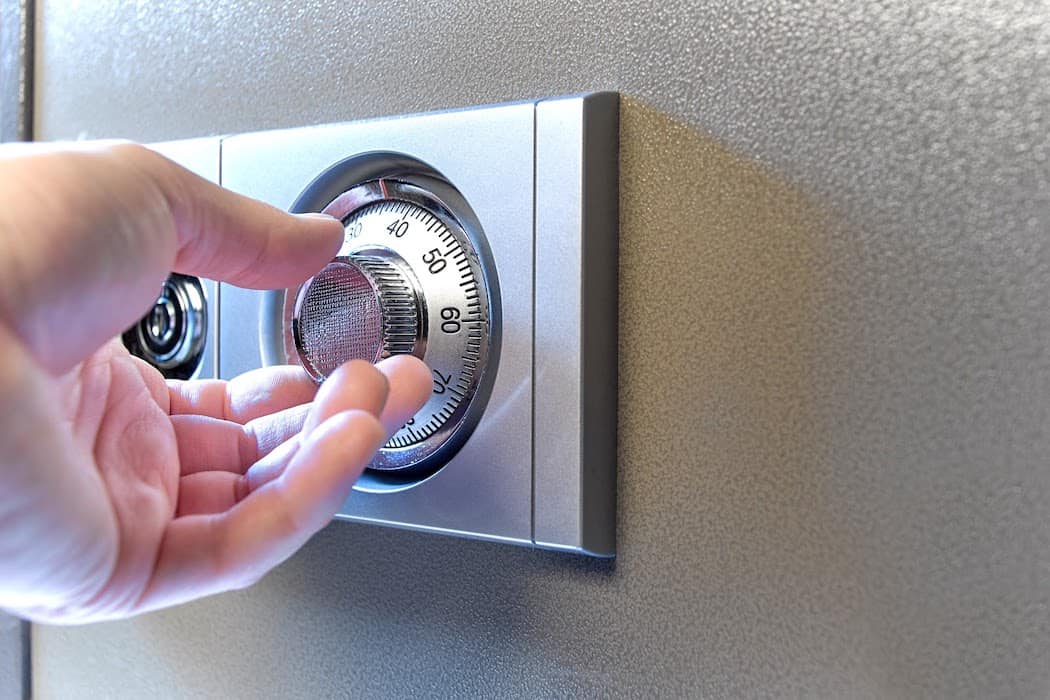
Person turning the knob of a safe.

How Pop-A-Lock can help

If you’re still stuck on the details, one of Pop-A-Lock’s skilled technicians is only a phone call away. We can help guide you through the process of selecting a safe, and choosing the proper locking mechanism so that your valuables receive the utmost degree of protection. And, if you ever happen to get locked out of your safe, we’re here for you as well with our 24/7 residential lockout services. Give us a ring today!
What You Need to Know if You Are Considering a Double Sided Deadbolt

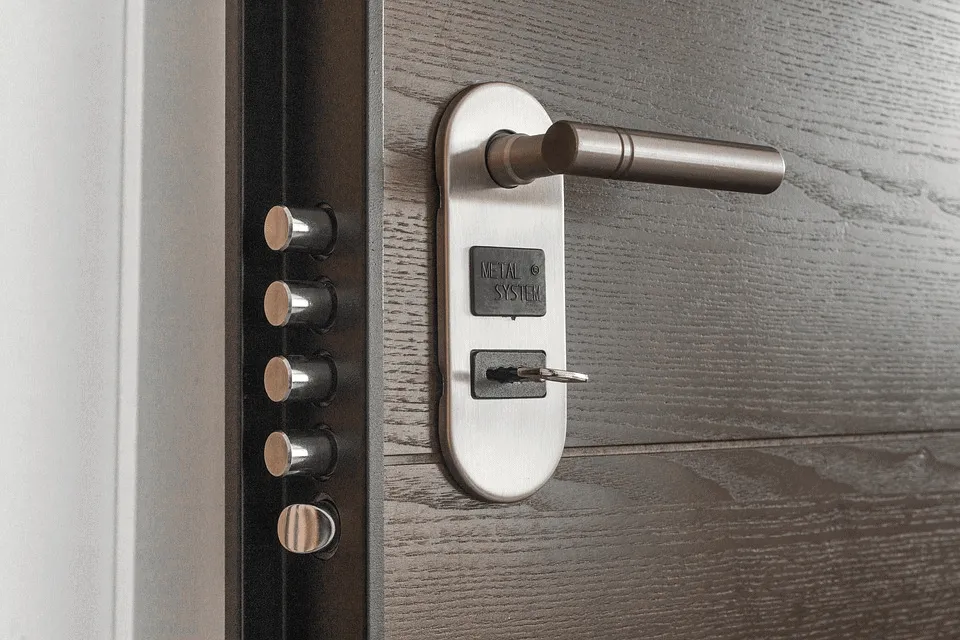
Open door with several deadbolt pins on the side.

If you’ve ever lived in a home or apartment with a deadbolt lock, you’re aware of the extra security that comes with it. Even if you didn’t understand how it worked, it simply felt good to have a door with two locks, like an extra layer of protection. But how safe are deadbolts, exactly? As a homeowner looking to protect family and valuables from intruders, it’s important to understand how different locks work, and which ones can provide you with the greatest security. In some cases, deadbolts aren’t nearly secure enough, and it’s time to consider the deadbolt’s jacked-up cousin: the double-sided deadbolt lock.

What’s a double-sided deadbolt anyway?

Most of us are familiar with deadbolts, the locks that typically rest above  normal home lock and require an extra key to unlock from the outside. Conventional home locks (the first layer of security) typically use  a spring bolt to hold the lock in place, and can be undone merely by turning the locking mechanism. Deadbolts, on the other hand, are locks that cannot be rotated without a key. This means that if a person was able to unlock a spring bolt using a key or other means, they would still be unable to open the door without using the deadbolt key, or having someone unlock the deadbolt from inside the home. 

But are traditional deadbolts the most secure? Put briefly, no.

While deadbolts do require a key in order to turn the lock, this locking mechanism only works on the outside. This means that if an opened window was near the door, or if someone was able to break into the home through the back, the front door deadbolt could simply be opened through turning the lock on the inside. This is how single-cylinder deadbolts work. This is different from double-sided or double-cylinder deadbolts, which have a locking mechanism on both sides of the door, and require keys to turn the locks both inside and outside the door.

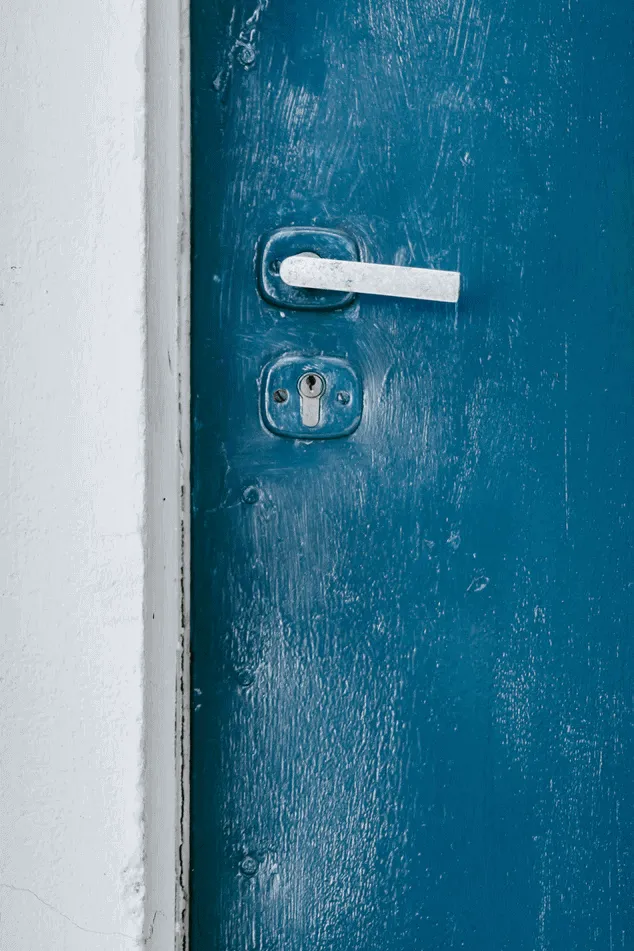
A closed blue door.

Pros and Cons

Locks play an important role in ensuring the safety and security of your home. While double-sided deadbolts are decidedly more secure, there are drawbacks to this added protection. When choosing the right lock for your home, it’s important to consider your needs first.

Efficiency: The most obvious difference between traditional deadbolts and double-sided deadbolts is the ease of use. Since double-sided deadbolts require two keys, and someone to operate the lock from the inside, they’re decidedly more time consuming and difficult. Whereas single-cylinder deadbolts need only one key (and one person) to unlock the door. Even if someone was waiting to unlock the door from the inside, they would only need to thumb-turn the lock to open it, rather than using a key. This makes single-cylinder deadbolts more convenient and practical overall, explaining their popularity — but this doesn’t necessarily mean they’re safer.

Cost: This is another area in which single-cylinder deadbolts prove superior. Since regular deadbolts are incredibly common and easy to install, they’re relatively cheap compared  to double-sided deadbolts, which are more complex, requiring a. 

Protection: Although double-sided deadbolts are a bit of a hassle — and certainly more expensive — than regular deadbolts, that’s not to say they’re without their virtues. For one, double-sided deadbolts are the most secure lock. This is especially important if  your front door is located near a window that can be easily opened or broken, or if the door itself is made of glass. With traditional deadbolts, intruders looking to enter your home would simply need to smash the glass and reach inside to thumb-switch the lock open. But with double-cylinder deadbolts, even if they managed to damage your home, the intruders would still be unable to enter without using the indoor key. This extra layer of security is also helpful in ensuring children don’t accidentally open the lock and wander outside, unsupervised.

But this added step of using an indoor key also makes double-sided deadbolts potentially dangerous. In the case of a fire, for instance, the time it takes to track down a key and turn the lock could be a matter of life and death. This lock also makes it incredibly difficult for emergency personnel to enter your residence, and could even prohibit you from escaping an outside threat.

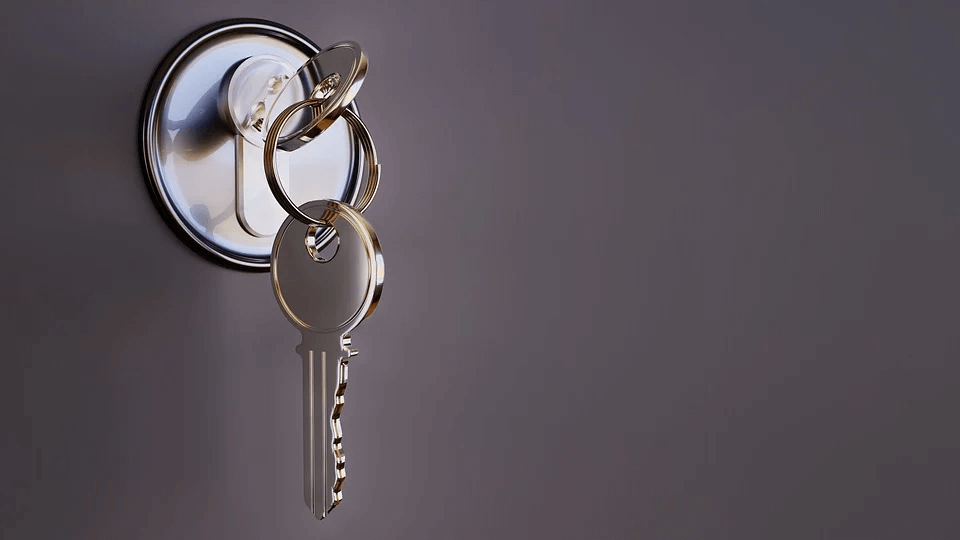
Keys dangling from a lock on a grey door.

How to choose

There are an equal number of benefits and drawbacks to double-sided deadbolt locks, but whether they’ll work for you will ultimately depend on your needs as a homeowner. If crime is an issue in your area, or if you’re deeply concerned about the safety of your possessions, the double-sided deadbolt may be the way to go. But if you value efficiency and worry about access in the case of emergencies, single-cylinder deadbolts could provide all the protection you need.

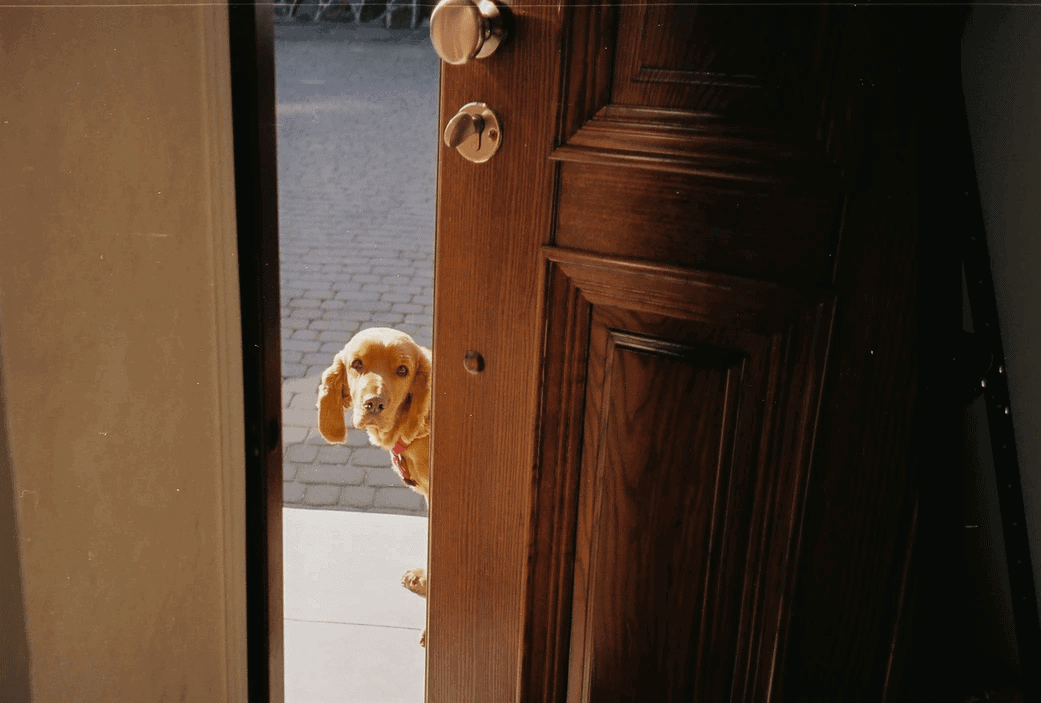
An open door with a dog peeking around the doorway.

We’re Here to Help

Whether you’ve settled on getting a double-sided deadbolt or still have some doubts, Pop-A-Lock is here to walk you through the next steps. We specialize in an array of door locks, so check out our website or call your local Pop-A-Lock today to get a quote!

How To Stay Protected When Locked Out of Your Car at Night

A car with the lights on parked in darkness.

Whether you’re out partying with friends or on a frantic last-minute errand run, it’s easy to lose your car keys in the whirl of events — or even lock them inside. This is a stressful situation even in daytime circumstances but, at night, it can be cause for panic. But before you allow fear to cloud your judgment, it’s imperative that you look out for your wellbeing first — then consider employing the help of a locksmith.

Evaluate Your Surroundings

As soon as you notice your keys are missing, take a moment to stifle any feelings of panic, take a deep breath, and focus on your surroundings. Don’t pull out your phone until you’ve taken note of the nearby area — this could leave you vulnerable to unseen threats. If you’re in a safe, well-lit area, and if your keys don’t appear to be locked in your car, it might be worth doing a quick search: check every pocket, your bags, and the immediate area in case the keys were simply dropped nearby. If you can, try to think back to possible locations you may have left your keys, and contact any friends and family in the nearby area to see if they can help you retrieve them.

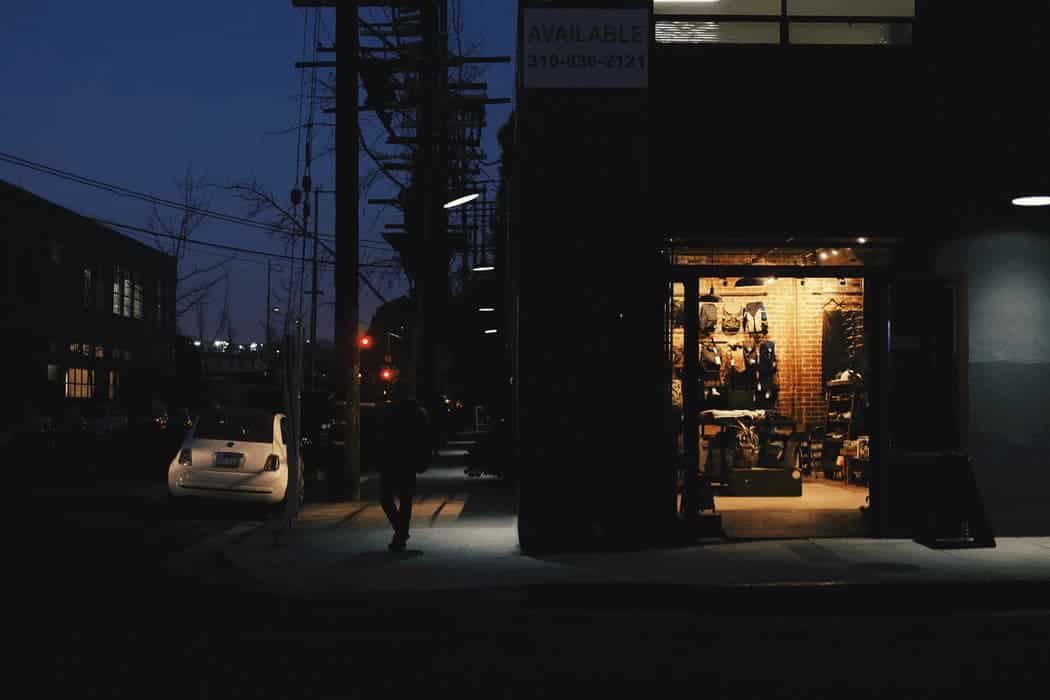
A city street at night.

Get Somewhere Safe

If it’s clear you won’t be able to access your keys, or if you’re alone in a parking lot or enclosed area, it’s imperative to prioritize your safety. Before taking any further steps, try returning to your previous location. Most businesses stay open at least an hour after closing, and the employees would likely allow you to stay inside until you can find a ride home. Even if the last place you visited is fully closed, it might be worth looking for other nearby businesses that are still open, as long as you’re aware of your surroundings.

However, depending on the location or time of night, you might not find a safe space, or feel secure moving from your car. If this is the case, contact your friends and family immediately, let them know your location, and see if you can find someone trusted to give you a lift home. If no one is available, consider using a ride-share service.

In the case that no one is available to assist you, or if your car is stuck in a location where it’s likely to be removed, you can also call a 24/hr tow service, roadside assistance, or an auto locksmith like Pop-A-Lock. Though people associate towing with car removal, many tow companies offer emergency roadside assistance, providing a great fallback option should all your other contacts fall through.

No matter which option you choose, however, you should still find someone to call while you wait for help. Talking with someone on the phone makes you less of a target, in addition to freeing your eyes to be aware of your surroundings.

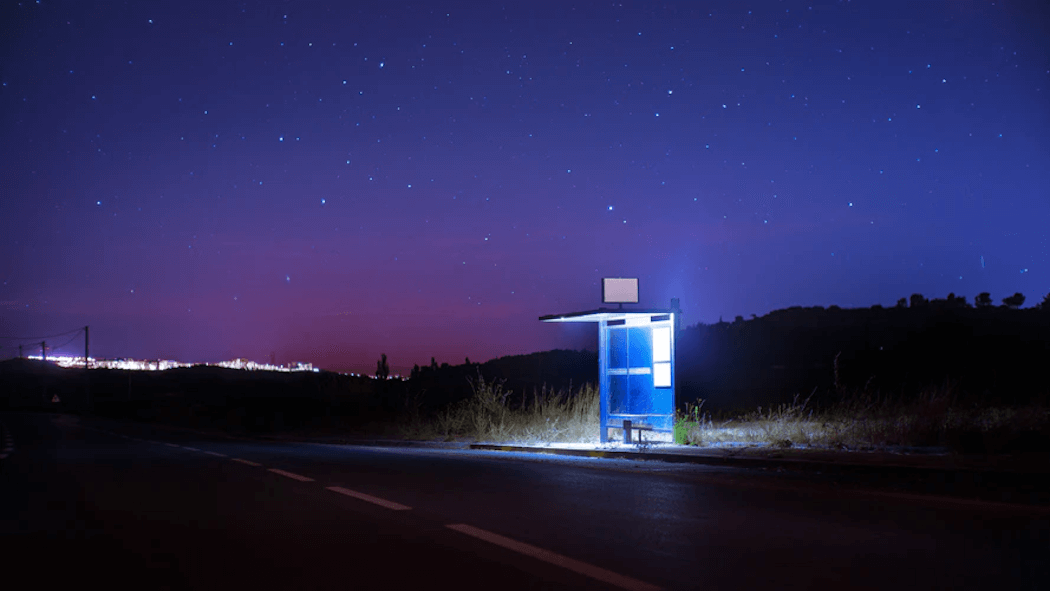
A lit bus stop next to the road at night.

The Next Steps

After your car is back in your possession, or once you’ve found a safe location to pass the night, it’s time to consider your next course of action. If you recovered your keys, consider getting a spare ignition key or a duplicate smart key — a great way to avoid any future predicaments. But if your keys are lost for good, it’s probably necessary to have your car rekeyed or your locks replaced so you can be reunited with your ride as soon as possible.

Person standing near an information desk at night.

We’re Here for You

Being locked out of your car at night is incredibly stressful, but we’ll do all we can to help. No matter the hour, if you call Pop-A-Lock’s 24/7 roadside locksmith service, we’ll dispatch a technician to help open your car. And if you need us to rekey your car or create a key duplicate, we’re here for that too. Check out these services and more on our website.

Call Us 614-424-6736