614-424-6736

Living Alone? Here Are Our Top Safety Tips

The thought of living along can be both exciting and scary. On one hand, you can keep your home as clean or messy as you want, listen to music at maximum volume, sit in silence, or parade around the house in whatever clothes you please. Living alone allows complete control over your space and how you use it.

On the flip side, it also means you have to take your personal safety into greater consideration. Though living alone can sound dangerous, if you follow these simple precautions, you’ll get to enjoy your newfound independence with peace of mind.

Connecting with Others so It’s Not Obvious You Live Alone

A large part of feeling safe when living alone is creating the appearance that you’re not alone.

One easy way to do this is by setting automatic timers on your lights. Most burglaries happen during the day when people are at work. By putting your lights on a timer, it will appear that someone is home even during the day. Motion sensored flood lights are also great to install. They’ll deter potential burglars, while making you aware of any activity outside your home.

It’s important to know your neighbors, especially when living alone. Make it an initiative to meet as many neighbors as possible. At the very least, get familiar with those living directly across from you and on either side of your home. Exchange numbers with your neighbors so you can keep each other informed.

In addition to knowing your neighbors, it’s helpful to have friends over frequently. Burglars and other threats are less likely to target a busy home. If you’re ever having maintenance work done, invite some friends over while the workers are present. Not only will this keep you safe, but socializing with others is an important part of mental health when you first move into your own place.
Best Practices for Home Safety

It may sound like an obvious statement, but don’t forget to lock your doors every time you leave the house – whether you’re gone for a few minutes or a few hours. When you’re inside your home, be sure to use the deadbolt to lock your doors. And, unless you’re trying to let in some fresh air, keep your windows closed and locked. You may also consider rekeying your locks, or installing an electronic lock for additional security.

Be sure to close your blinds and curtains, especially at night. This is an easy way for people to peer into your home. Along with closing the blinds, avoid keeping valuable items within sight.

Don’t neglect your peephole. Blindly opening the door to anyone that knocks can be dangerous for anyone, let alone someone who lives by themselves. Take it one step further by investing in a doorbell camera. This way, you can see what’s going on at your front step whether you’re home or not.

Store your neighbors contacts, on-site security, and any other trusted phone numbers in your favorites. You’ll be able to access emergency numbers (in addition to 911) quickly in a threatening situation. You may also consider sharing your location with those you trust. 

Stay aware both inside and outside of your home. Avoid staring down at your phone or wearing headphones with loud music. Communicate with neighbors and stay on the lookout when you see signs of suspicious activity.

If you don’t already have a security system, you should install one as soon as possible. Even a doorbell camera, as mentioned earlier, will allow you to stay up to date when you’re away from home.

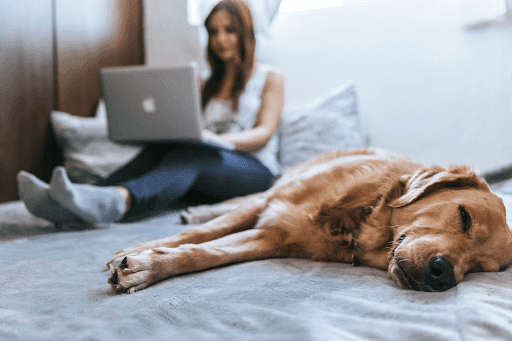
For a living security system, consider getting a guard dog. Not only will a furry companion ward off intruders, they’ll keep you company in your new home. Having a pet provides the comfort of a roommate, without the drawbacks of having to compromise with one.
Living alone might sound scary, but all it takes is a few simple steps to keep you safe. Remember to connect with others, lock the doors and windows, and to stay aware of your surroundings. We hope these tips will give you the peace of mind to enjoy your home.

Looking to install a security system, rekey locks, or duplicate a house key? Your local Pop-A-Lock is here to help!

Will a Deadbolt Keep You Safe? What You Need to Know About Break-Ins

The doors to your home are the first line of defense when it comes to burglaries and break-ins. If you don’t have effective locks on your door, you’re skipping on a big part of your home’s security checklist. A deadbolt is the best way to keep your home secure and prevent thieves from knocking down your door.

Burglaries of residential properties account for 62.8 percent of all burglary offenses. It might sound silly to mention locking your door as a critical safety tip, but 34 percent of those burglars enter homes through the front door. If the door is unlocked, they can just turn the handle and walk right in! By keeping your door locked, you’re already one step ahead. Having a deadbolt on the entrance to your home will take a standard door knob lock to the next level. Forced entry is involved in 55.7 percent of burglaries, and a deadbolt will make breaking down a door remarkably more challenging.

What is a Deadbolt and How Does it Work?

A deadbolt is a lock used in addition to your regular door knob that is moved by turning a key or thumb without the use of a spring. They’re heavier and more secure than spring bolts, which work by compressing when the key is in the cylinder to unlock the door. Once the door is closed, the spring automatically jumps back. A deadbolt is manually locked when you are inside your home, unless it is a double-cylinder lock.

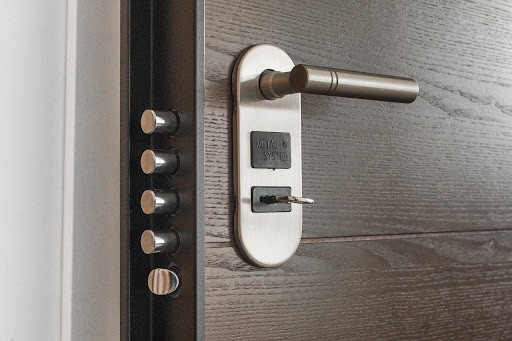
Deadbolts are made of three main parts: the cylinder, the throw or bolt, and the thumb. The throw is the part that slides in and out of the door jam and can be locked from the inside by turning the thumb.

Most residential deadbolt locks are single cylinders. This means the door can only be locked from within the house. A double cylinder deadbolt has key access on the outside, making it available to lock from either side of the door. Though the double-cylinder deadbolt is technically more secure, single-cylinder deadbolts are the better option for most homeowners. This is because when the double-cylinder deadbolt is locked, a key would be required to exit, which becomes a safety hazard in the event of a fire.

Where Should You Have Deadbolts?

Ideally, you should have a deadbolt on every entrance to your home –  the front door, the back door, and the door to the garage. Unfortunately, having a deadbolt on the door that leads to your garage is often neglected. The garage door is a vulnerable part of your home security system. They can be easily kicked in, and sometimes even lifted manually. If your car is parked in the driveway, avoid keeping your garage clicker in plain sight. However, if a burglar does get a hold of your garage door key, having a deadbolt on the door from the garage to your house will prevent any further danger.

Will a Deadbolt Keep You Safe?

Locksmiths say a quality deadbolt is the best resistance to a home burglary. But is this enough to keep you safe? Research says that when forceable entry is used, burglars prefer kicking down a door over breaking a window. The noise of glass breaking draws more attention and poses a threat to the burglar. This is a good thing – it means you can focus more on the security of your doors than windows, which means a deadbolt will be significantly helpful.

However, since the possibility of breaking down a front door still exists, some additional safety measures that work well in tandem with a deadbolt are having a strong door and secure door frame. Solid wood and steel-clad doors are much better at resisting a break-in. If your door is made from hollow wood, it may not stand a chance against threats.

Though having a strong door is important, it’s typically the door frame that caves in, not the door itself. Strike plates should be reinforced by 3-inch sturdy screws, and secured to the frame of the house. Also, be sure that your door fits snug within the door frame and consider installing weatherstrips if there are any gaps.

By pairing a quality deadbolt with a strong door and secure door frame, you’ll be in good shape for resisting break-ins. A deadbolt makes residential break-ins much more difficult, and will deter away burglars. A single-cylinder deadbolt is best for homeowners and can help you feel safer in your home. And be sure to give your local Pop-A-Lock a call for any and all deadbolt and locksmithing needs!

Key Duplication: What You Need to Know to Stay Safe

Most people will create a copy of their residential house key at some point in their lives. We recommend doing this sooner rather than later – so you’re always prepared. However, there are a few things to keep in mind when creating a duplicate of your house key

.

How Spare Keys Are Made

First, let’s dive into how key duplications are made. The original key is placed in a tool with a blank key directly on top. The key guide, or alignment bar, ensures they are properly lined up. Then, the key duplicator cuts through the blank key using the original key like a template. Once the tool has created a copy, a lock technician will sand the duplicate to make sure it precisely matches the original. Most keys are made from brass or a nickel-brass mixture. Your lock tech will choose the right kind of blank key to match the existing one. It’s important to always use the original key for duplications. In addition to unique etchings, each key has different depth cuts. By using the original key, duplicates will be more accurate.

You may wonder why you should have professional lock tech duplicate your key instead of using a self-service kiosk. The answer is simple— there’s no way to tell whether those machines are regularly calibrated and maintained. Over time, kiosk machines will likely decline in performance, which means your duplicate key may not actually be a duplicate. Also, these kiosks cannot choose the perfect blank, like a lock tech can. We recommend always using a professional service when getting your key copied.

Why Duplicate a Key?

It’s always better to have a spare key than to be locked out. It helps save a lot of time in emergencies, and may bring you a sense of comfort. There’s a lot of reasons you may want a spare, including:

  • Losing the original— If you lose your original key, the spare can act as a backup until you get it replaced.
  • Getting locked out— This makes getting in your home much quicker and less stressful.
  • Multiple residents in a home who need access— You may need to give a key to each member of the family, including children.
  • Giving a neighbor or family member access— Giving a trusted person access to your home helps in emergencies and when you’re out of town.

Staying Safe With Duplicates

When giving a spare key to a child or young adult, always make sure it’s on a key ring, and teach them how to keep it safe. They shouldn’t carry the key while they’re walking, as this increases the risk of losing the key. This also makes the key visible to others, which could put your child and your home in danger. Children should keep their spare keys in their backpacks until they get home.

You may be duplicating a key so you can give a copy to a neighbor or family member. Always be sure you trust the people you give spare keys to. This can be helpful for several reasons. Specifically, someone with a spare key to your home can check the mail and take out your trash while you’re on vacation. This will also make your home appear occupied, reducing the risk of burglaries.

You may decide you want a copy of your key to store around the perimeter of your home in case of emergencies. In this case, always make sure the key is well-concealed in a creative hiding spot. The worst spot to hide your spare key is under a doormat, or in a flower pot near the door. These are obvious locations for burglars to find them. Instead, try hiding the key:

  • In a magnetic key holder located under your car
  • In a fake hollow rock that blends in with its surroundings
  • In the grill or doghouse in the backyard
  • In a birdhouse
  • Underneath the foam liner in a shoe

Regardless of why you want to duplicate your house key, there’s a smart way to do it. Always go to a locksmith over a kiosk to make sure you have a quality duplicate. Only share your key with trusted individuals and never hide it in plain sight. By having a spare key on hand, you’re saving money and avoiding stress. Pop-A-Lock is here for all your locksmithing needs. Whether it’s duplicating a house key, replacing a car key, or installing brand new locks on your home, we’ve got you covered. Stay safe with Pop-A-Lock!

Types of Residential Locks: Which Kind Is Best for Your Home

We use residential locks everyday – when we leave the house, come home, and when we’re inside to help keep ourselves and our family safe. Most people, however, may not even be familiar with what these locks are called and how they operate. Find the best fit for your home by reading more about each type of lock below.

Doorknob

The doorknob is the most common type of lock and is usually found on the front entrance to a home. These locks are composed of either a single cylinder or double cylinder. The cylinder is the part of the lock where the key goes in. A single-cylinder means that the door can only be unlocked from the outside. On the inside, you’ll find a knob which you can twist to lock the door. Double cylinder door knobs can be locked with a key from either side, and are more common in residential spaces, where locking from the inside is only permitted by those with a key.

To increase security, these kinds of doors can be paired with a deadbolt or a spring bolt. A doorknob with a deadbolt is a great option for most homeowners. Deadbolts typically help to provide the highest level of protection from the outside world, and the doorknob is a classic lock to pair with it.

Handsets

Handsets are another common lock for a front door entrance; they are, however, a bit more stylish than the typical doorknob. Similar to the doorknob, these locks can also be equipped with either a single or double cylinder. In residential homes, handsets are usually equipped with a single-cylinder and can be locked from the inside by twisting a knob.

Unlike a doorknob, these locks are typically paired with a deadbolt, rather than a spring bolt, for additional security. Spring bolts work by compressing when the key is in the cylinder to unlock the door. Once the door is closed, the spring automatically jumps back. A deadbolt is manually locked when you are inside your home, to add additional securement from break-ins and even severe weather. Deadbolts are much more secure than a spring bolt, which is why most residential and commercial spaces opt for this kind of lock.

A handset is a great option for homeowners who want a more stylish option than the classic doorknob. They’re just as secure, but have a bit more curb appeal.

Hand Levers

Hand levers are another form of common residential lock, but don’t provide as much security as the doorknob or handset. For this reason, you’ll usually find them inside the home for doors to bedrooms, closets, or bathrooms. Hand levels are almost always single-cylinder locks. This is because they’re used inside the home, where locking is necessary for privacy rather than for security. The handle feature makes these doors easy to open when lugging in groceries, shopping bags, or other goods around the home.

Hand levers are a great alternative to classic door knobs inside the house. They are easier to open than a door knob, especially when your hands are full. They are also more stylish than the typical door handle.

Electronic Locks

Electronic locks are the middle option between traditional and smart locks. They usually have an electronic keypad that prompts the owner to type a passcode to unlock the door. They also have a keyhole as a backup if the electronic portion runs out of battery, or if you can’t remember your passcode. Fortunately, most electronic locks will remain charged for about 3-5 years, as unlocking takes up very minimal battery. Some are even solar-powered!

Electronic locks are great for any homeowner, particularly those who don’t want to carry around keys. They’re also perfect for larger families, so kids can get in and out of the house without worrying about losing a house key. After all, a lost key can mean an unwanted security risk!

Smart Locks

Smart locks allow you to use your phone to unlock your home. Some operate with Wi-Fi, others a Bluetooth connection. If your lock operates on Wi-Fi, you can adjust your locks wherever you are, as long as your phone has a wireless connection. This feature is perfect for anyone who drives to work and wonders, “Did I lock the front door this morning?”

Smart locks are ideal for any homeowner, since they require a personal phone to get into the house. If you’re forgetful about locking your door, you’ll love having a smart lock and the opportunity to check, double-check, or even triple-check your locks from any location.

Now that you know a little more about residential locks, it’s time for an upgrade! By understanding how each lock works and the benefit of each, you’ll feel more confident about your choice. Whenever you’re ready to change the locks on your home, Pop-A-Lock is on standby. Learn more about our residential locking services on our website. After all, your safety is our number one priority!

Creative Places to Hide Your Christmas Presents from Family, Friends, and Kids

Several wrapped gift boxes in red, white, and brown wrapping paper and ribbons.

The holidays are quickly approaching, and that means something different for everyone. Whether your favorite part of the holidays is making memories with friends and family, cooking delicious meals, or decorating the home in the spirit of Christmas, we can guess what your least favorite part is: hiding gifts from prying hands and eyes. Especially for those with small children, who can hardly think about anything else for the entire month of December! Thankfully, your local Pop-A-Lock is here with a handy guide for creative places where you can hide your Christmas presents!

For some, hiding Christmas presents is as easy as grabbing a ladder, or climbing up to the top shelf of your pantry. Others, however, might want to try a less obvious place. After all, what’s the point of hiding your gifts if you don’t even forget where they are?

One thing that we can assure you of is this: nowhere is off limits when it comes to hiding Christmas presents from inquisitive kids and prying eyes. Keeping in mind that the older your kids get, the harder the hiding becomes, check out these top six places to stow away those toys!

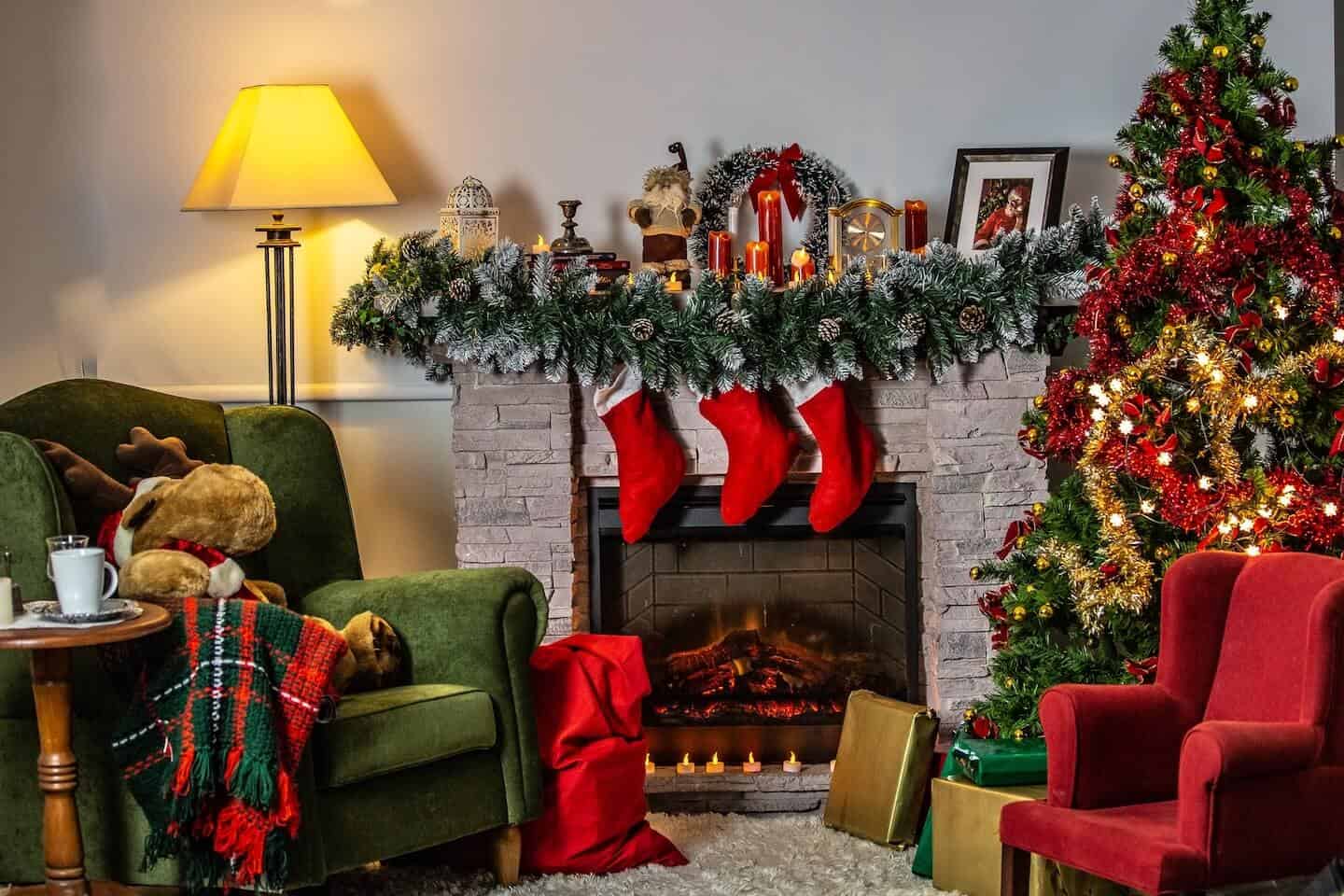
A living room decorated for Christmas, with red stockings hanging over a white fireplace next to a green armchair.

In the refrigerator. Since it’s a place that most kids know to stay away from, this is an extremely clever way of hiding Christmas presents! We all know kids, especially young ones, will do anything to stay away from the vegetable drawer, making it an ideal place for their December 25th goodies. The downside of this trick, is that it only works for presents that are small or flat, and that can withstand the cold. For particularly tough presents, consider trying the freezer!

In your oven. With all those holiday cookies and pies coming out of the oven, why not stick in some gifts too? Just make sure they don’t get overcooked. This hiding place may serve as a temporary storage place for presents (until the cooking begins), but who would think to look in the oven?

In your closet. This is a great way to hide gifts for older kids who are less likely to snoop around closets than younger children, but keep in mind that the presents shouldn’t be too large or bulky, otherwise you might have some explaining to do! The darker and deeper the closet, the better. To give kids an extra hard time, wrap the presents in some old clothes or blankets, stick them up high, or stack them behind some boxes.

At the bottom of the laundry basket. Getting your kids to do their laundry is difficult as it is, so you can have peace of mind knowing that your kids will never dig down to the bottom of the basket in search of a gift.

In your tool box or a toy chest. If you have an older child, chances are they don’t play with their toys as often anymore. By hiding presents in a toolbox or toy chest, they will forget about them for years! Just be careful when digging around, those screwdrivers can be sharp little guys!

And finally, in your plants! Watering plants is a chore to most kids, so hiding them in an area they avoid is a foolproof way to make sure those gifts stay hidden. Make sure those presents are waterproof (or take waterproofing measures prior to hiding), because opening a brand new gaming system or cell phone on Christmas morning won’t be quite as fun if it’s water damaged.

Santa Claus holding onto the sides of his glasses with both hands, and an open mouth looking surprised.

With these six creative places to hide Christmas presents from your friends and family, you’ll be able to keep those gifts a surprise until the very last minute. Happy holidays!

And if for some reason you lock your presents away so well even you can’t get to them, call your local Pop-A-Lock locksmiths to break them out for you! Trust us, we’ve probably seen weirder.

How Your Online Presence Might Attract Burglars

Blonde sitting on the floor with their back against a white brick wall typing on a laptop.

Today’s world of social media has made it easier than ever before for people everywhere to stay connected with one another, despite geographic boundaries. It also means that there are more opportunities online for criminals who seek out information on Facebook, Twitter, Instagram and other platforms to burglarize homes or commit crimes while victims are away traveling or enjoying time off.

In fact, did you know that nearly 80% of burglars use social media to target their victims?

By posting too much about your life online, you may be unknowingly giving away too much information regarding your whereabouts that criminals can use to target you and your family.

Family of three holding hands on the beach walking toward the water.

Posting About Vacations

For example, by posting about your upcoming trip to Hawaii on social media channels while you are at the airport waiting for a flight, it is possible that potential criminals can observe this information. This person may know when you will be away from home and choose to burglarize or steal items in order to capitalize on this opportunity.

Additionally, if these posts continue once you have arrived at your destination (such as images of you and friends frolicking on the beach with drinks), this could indicate that no one else is currently staying in the house, which would make it easier for someone who wants to burglarize or commit other crimes there without getting caught.

Monitoring your online activity before and during your trip is a good way to protect yourself from burglars, especially in the summer months, when more people use social media sites to post about their vacations.

What To Do Instead

Delaying your posts until after you have returned home is a great way of protecting yourself and your family so that your home and belongings are protected while away on vacation or a trip. If possible, it may also be helpful to refrain from posting any pictures of an empty house with indications such as, “I’m off to Hawaii today! Wish me luck! I will update everyone once I land. 🙂 xoxo” online if there are no plans for anyone else (including friends) to stay at this location during this period of time.

Even when you’re not on vacation you should still be wary about what you post on social media. If you’re going on a business trip, or even just staying with friends for the weekend, resist the urge to tweet about your location and where you are headed.

Person holding a cell phone.

Protect Your Profiles

Another way to protect your home and family is to change the privacy settings of your profiles to ensure that your posts are only visible to friends. This can help to keep burglars away from your home because their ability to burglarize or steal items is hindered if they do not know when you will be gone, how long for, and other details about the property.

Almost every social media platform allows for private profiles. This not only lets you keep your plans safe from the wandering eyes of criminals, but also lets you vet anyone who tries to follow you prior to giving them access to your personal life.

It’s Not Just About Vacations

In the same way that posting about your location can be dangerous, posting too much about your day-to-day life, family, and friends can put them at risk. For example, if you continually post about your childrens’ school events or trips, this can give burglars, or even kidnappers, too much information. They will know when you are typically home throughout the day, what school your child or children attend, and may even be able to find out what kind of car you drive.

Even though we live in an age of online sharing where everything seems like it should be public knowledge, taking precautions such as delaying posts about certain aspects of your life (such as vacation plans) until after you have returned home will help protect you and those close to you from becoming victims of crime while away on trips or vacations.

The Pop-A-Lock Checklist to Making Sure Your Home is Secure

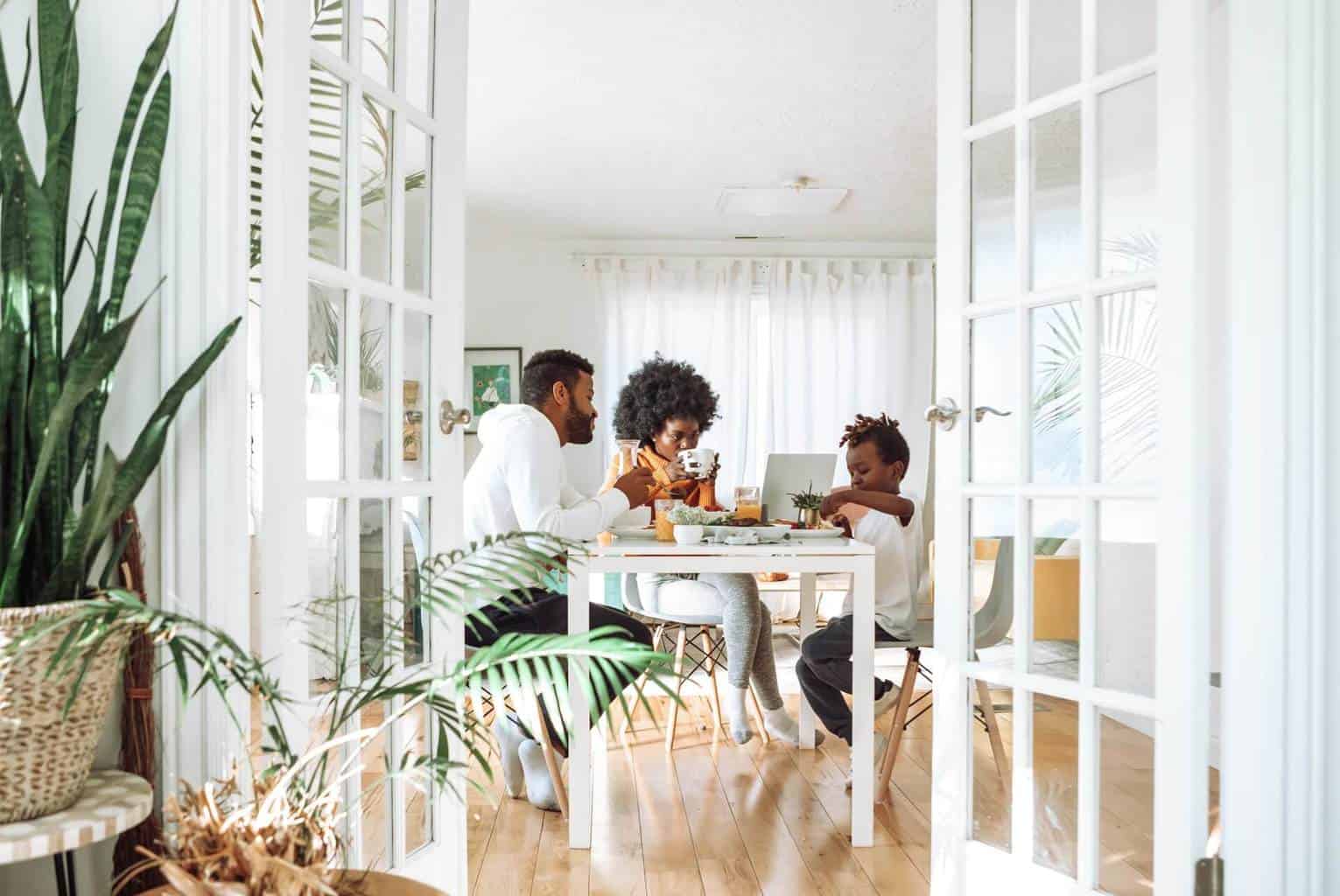
A family of three sitting around a white table.

Home is where the heart is – for most people, that’s their family. We’re sure you want to keep them safe. According to the FBI, there are over 1 million burglaries a year in the United States, with the average value stolen being $2,600. Unfortunately, burglaries aren’t the only threat. Roughly 350,000 home fires occur a year. Precautions to avoid these events are simple but often overlooked. Follow these guidelines to secure your home and keep you comfortable.

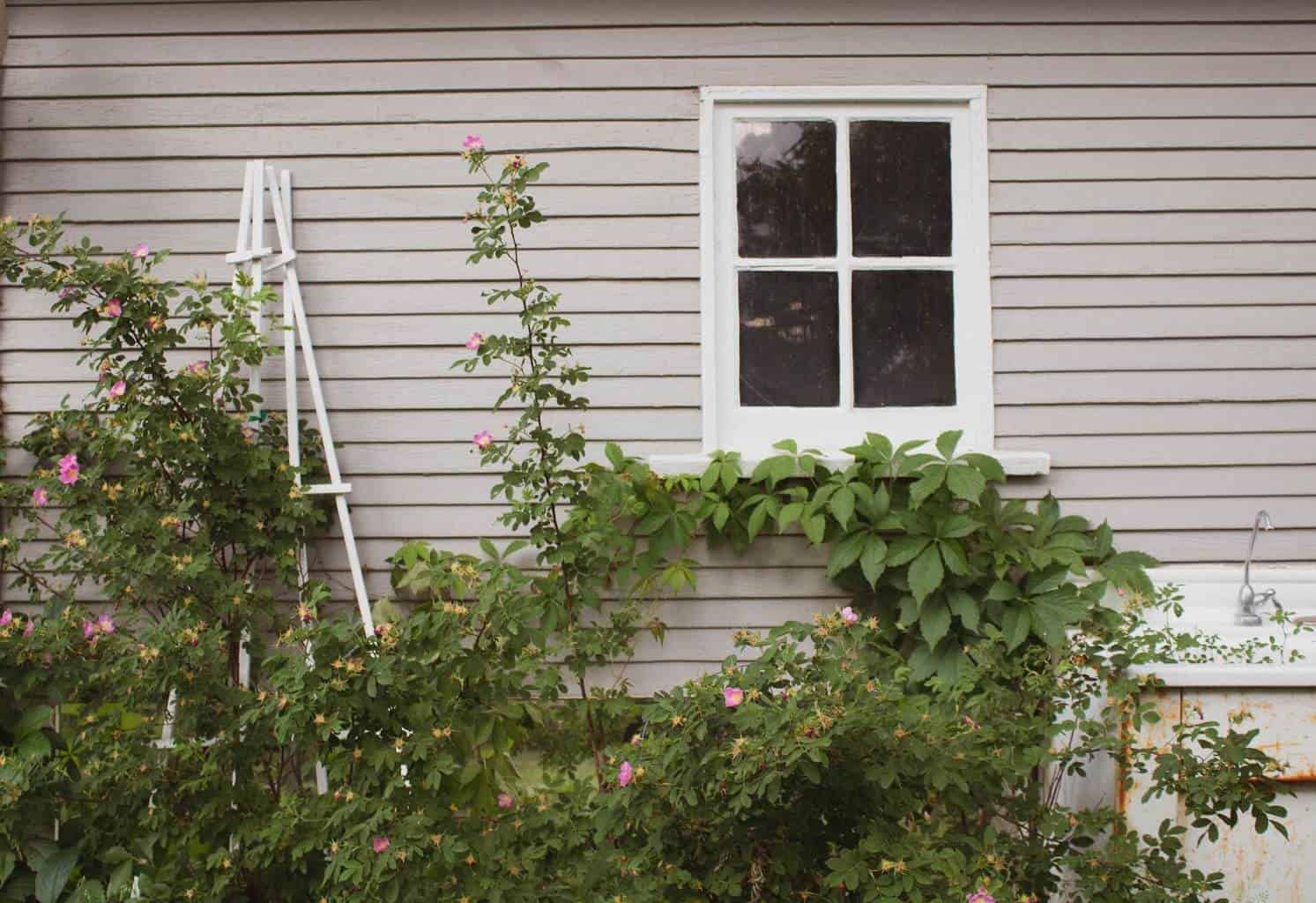
Roses climbing up a trellis leaned against a house with light gray siding. Plants are growing up the wall near a window.

Keep Your Yard Neat

Believe it or not, an unkempt yard can put you in danger. Tall bushes provide a place for burglars to hide from yourself and neighbors. Overgrown vegetation near windows can be especially dangerous in providing a way for burglars to discreetly sneak in. Excess foliage also makes fires easier to spread. In the event of a fire or a burglary, you’ll likely try to call 911.  Tall bushes will conceal your home number, making it difficult for emergency services to find your home quickly. By keeping bushes short, you can reduce hiding spots , prevent the spread of a fire, and increase the efficiency of receiving help in an emergency.

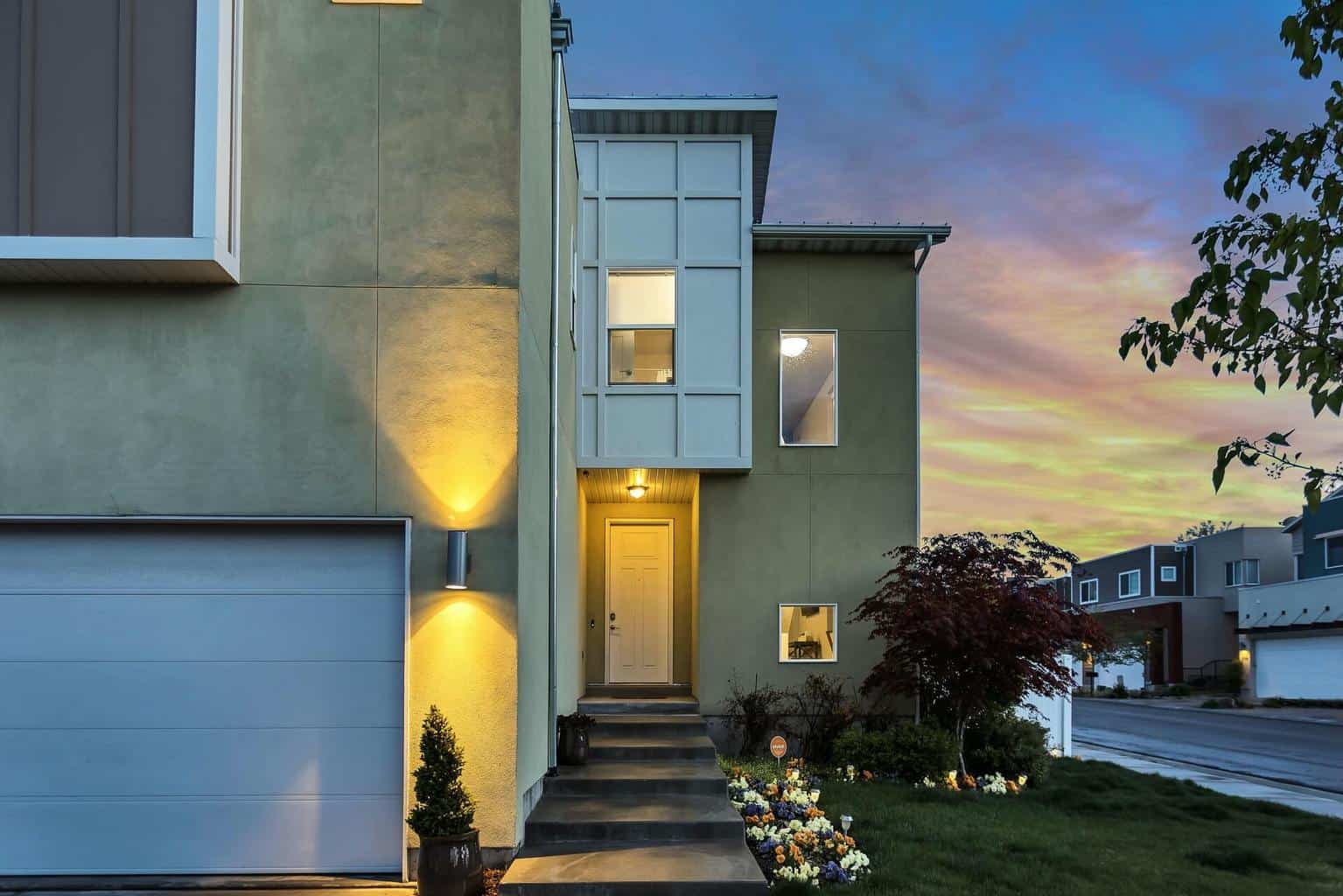
The outside of a house with outdoor lamps lighting the way.

Light Your Home and Advertise Your Security System

A lit entrance to your home is also very important. Burglars aren’t looking for a challenge. Make sure the driveway and entrance to your home are lit at night. Keep the backyard lit as well. You may even consider motion sensor lights or flood lights, which help to deter burglars. Also, it is important to keep the signs of your home security company visible. Burglars are three times more likely to rob a home that lacks home security. So keeping stickers on all your windows and a home security sign by the front door will help keep you safe.

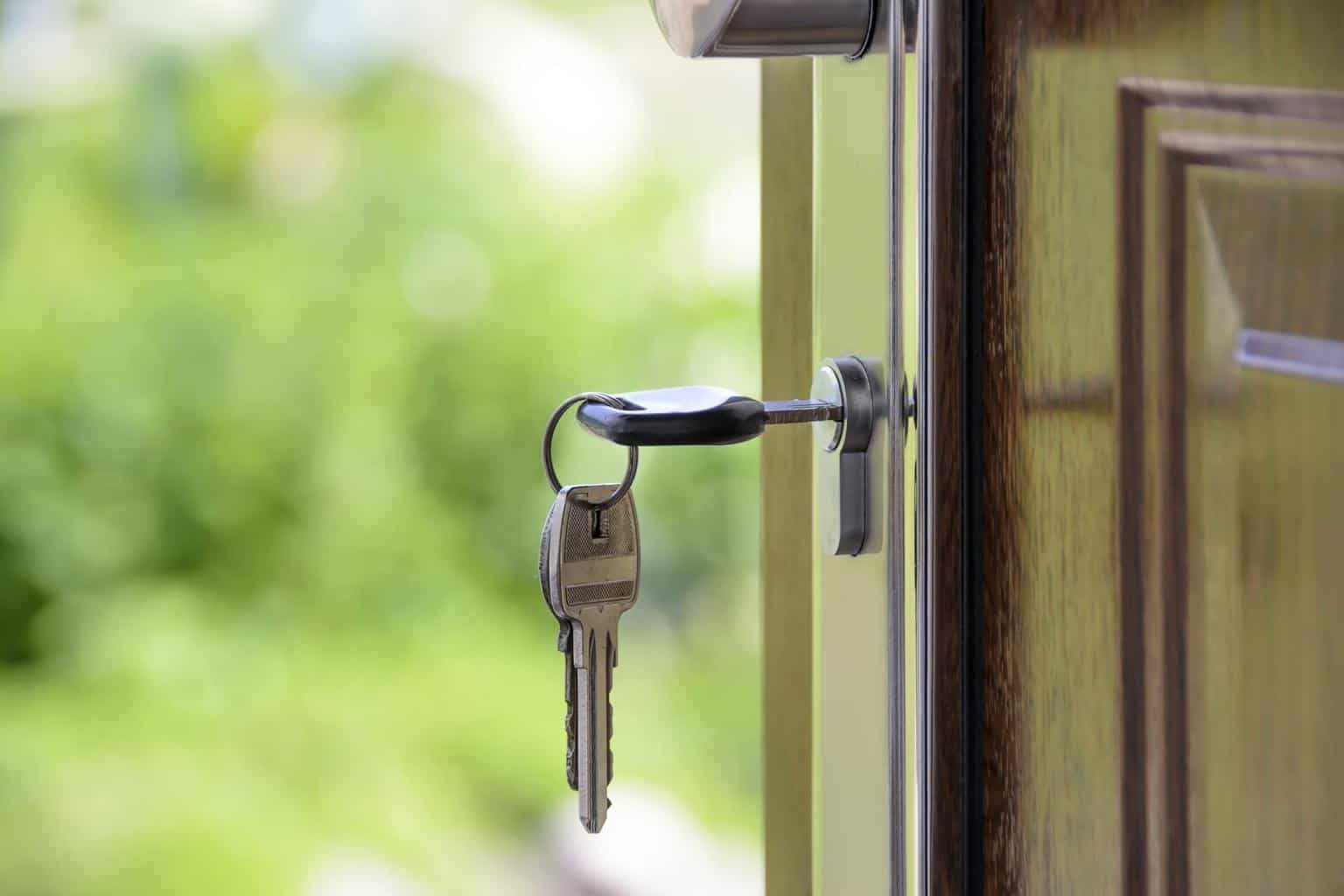
A key in a door lock.

Secure Your Doors

Oftentimes, burglars will kick down a door that is locked. Keeping the deadbolt locked on doors will make this much harder. Most doors already have a deadbolt, but they can be easily installed if your door doesn’t already have one.

Sliding doors should also be double secured with a dowel rod or some kind of additional lock. Doors should fit tightly into their frames so they are not flimsy. Weather stripping can help secure a loose fitting door. Take it a step further by installing a heavier door made from metal clad or solid wood. These differ from hollow wooden doors or doors with glass windows that could be broken in just moments with little effort .

You’ll also want a way to see outside your door without opening it. Most front doors already have a peep hole, but if yours doesn’t, it’s smart to install one as soon as possible. Another alternative is a doorbell camera. Not only can you see who’s there when the doorbell is rung, but they typically save video footage of your front door throughout the day in case of any suspicious activity.

Stay Equipped For Fire Safety

Every home should be equipped with a fire extinguisher, smoke detector, and carbon monoxide detector. Roughly 50% of house fires occur in the kitchen due to cooking. It is important to keep a fire extinguisher in the kitchen for this reason. Additionally, be sure to replace your smoke detector batteries as soon as they go out. Most smoke detectors have a built-in carbon monoxide detector as well but if yours doesn’t, consider getting a separate device. Carbon monoxide is silent and deadly making a detector extremely important for your safety at home.

Two people sitting on swings facing each other.

Know Your Neighbors

In addition to the appearance and equipment in your home, it is important to know your neighbors. Get to know your neighbors on both sides of your home as well as across the street. They can keep you in the loop when you’re out of town or at work if they notice some unusual activity.

Take Precautions When Out of Town

Avoid sharing your vacation on the internet until you’ve returned home. Don’t tell anyone you’re leaving, except people you trust, like your family and neighbors. Have your neighbors keep an extra key on hand and collect your mail for you. Burglars will often choose a house that looks empty or has an overflowing mailbox. It is also a good idea to set a timer for the lights to stay on inside from the morning till about 6 p.m. After all, 65% of burglaries happen during the day while people are at work.

Pop-A-Lock puts your safety first. If you find yourself locked out, Pop-A-Lock will get a technician to you so you don’t have to break a window. We also have electronic locks if you’re looking to update your residential lock system. When following these guidelines, you will be able to enjoy quality time in your home, feeling safe and secure.

Trying to Break In After Being Locked Out? Why You Should Not DIY

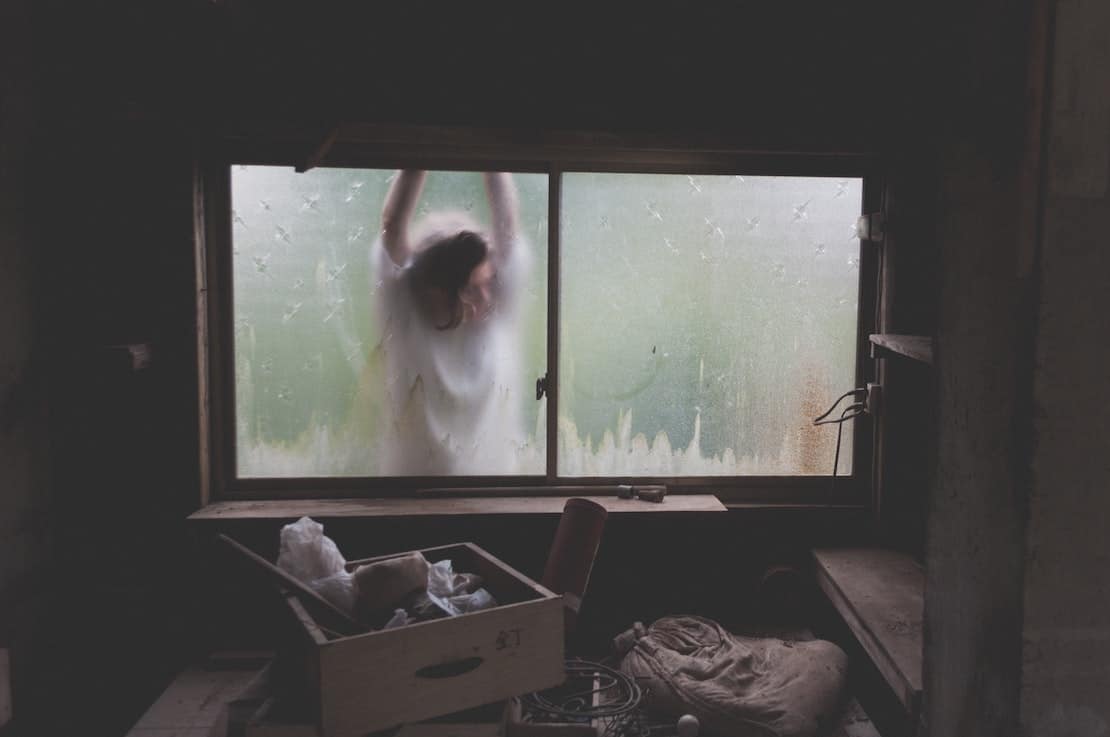
A person looking through a closed window.

Being locked out of your car or home is a stressful situation — so much so that the advantages of kicking down a door or breaking a window appear to outweigh the resulting damage. While these seem like favorable alternatives to waiting around for help, especially if you’re in a hurry or stuck in an unsafe location, it’s almost never worth it. Read on to see why DIY’ing your entry in a lockout situation puts you at risk for injury, burglary, and even unsavory run-ins with the law.

Property Damage and Personal Injury

When squaring-up your door or car window, thinking only of getting inside, it’s easy to overlook the costs. Forcing open a door or breaking glass inevitably results in damage to your property — the repair costs from which are almost always more expensive than calling a locksmith. Depending on how much force you use and the quality of the locking mechanism, these costs can be brutally high. Now add to this the costs of rekeying. Additionally, with breaking in, you risk harming yourself on door debris or broken glass. Imagine now dealing with a medical emergency on top of losing your keys on top of repair expenses. It’s a triple-whammy anyone would want to avoid.

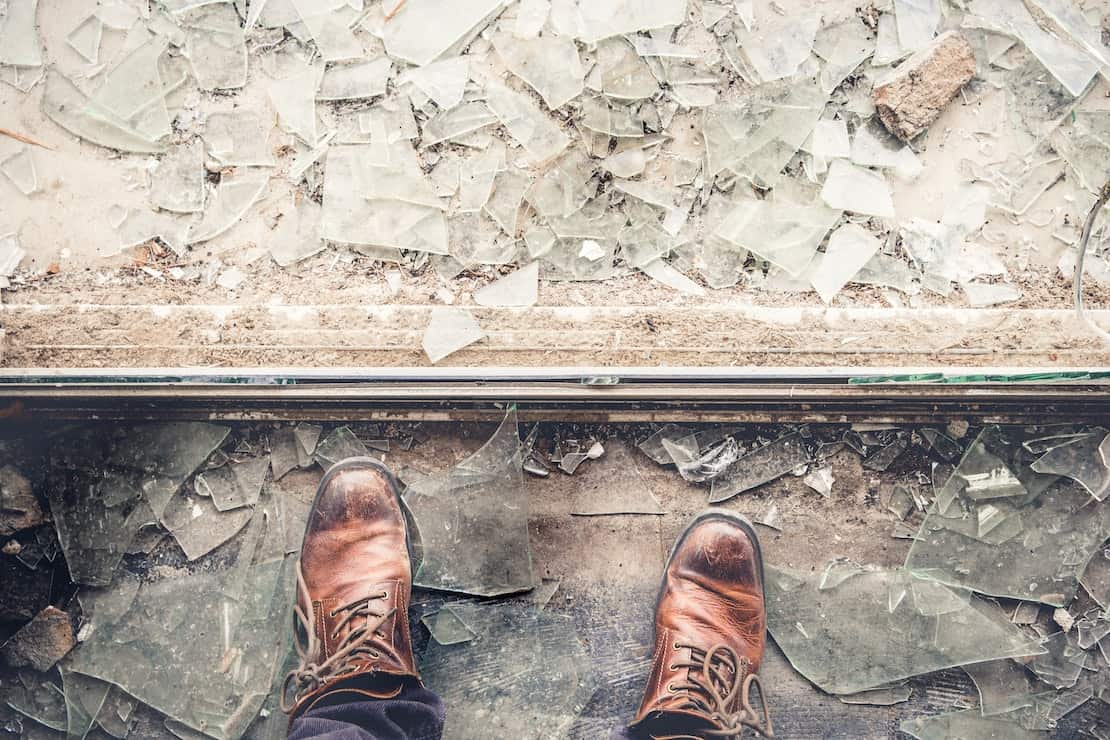
Shattered glass next to a person's feet.

Security Risk

Breaking open a door or window leaves your property vulnerable to theft, no matter how quickly you’re able to mend the problem. If you break down your door, it’s likely that it won’t be able to shut properly once you’re inside. It’s even less likely that the locks will work. Broken windows, on the other hand, allow for easy entry, in addition to tipping-off any passersby to the fact that. If you’re unable to fix this damage right away, your home or car becomes a greater target each day you leave it sitting unfixed. Once again, in any of these cases, calling a locksmith will be easier than replacing property or dealing with the trauma of a home invasion.

An open door at the end of a dim hallway.

Legal Issues

Imagine for a moment you’re a kindly passerby. You notice someone reaching through a shattered car window, straining to grab the keys left in the ignition. Or, alternatively, you spot your neighbor’s door slightly ajar, one of the hinges broken. As a good Samaritan, you alert law enforcement of these break-ins immediately.  However, stepping out of this perspective, both cases happened to be instances of home or car owners trying to gain access to their own property. If law enforcement arrives on the scene, they would immediately profile the perpetrator of the break-in as a thief and arrest them, even if they’re the rightful owners of the home or car. There typically isn’t enough time to produce the proper documentation if you’re interrupted while breaking in. If you’re caught, you’d have a lot of explaining to do, and could even wind up in some legal trouble.

Person writing at a desk.

Time to Call Pop-A-Lock

If you’re in a safe location and locked out of your home or automobile, your first course of action should be giving Pop-A-Lock a ring (number). While we trust you’re strong enough to break down a door or window, our 24/7 locksmith services and roadside assistance will get you back inside just as quickly — minus the damage.

Pop-A-Lock’s Top 10 Ways to Keep Your Outdoor Property Secure

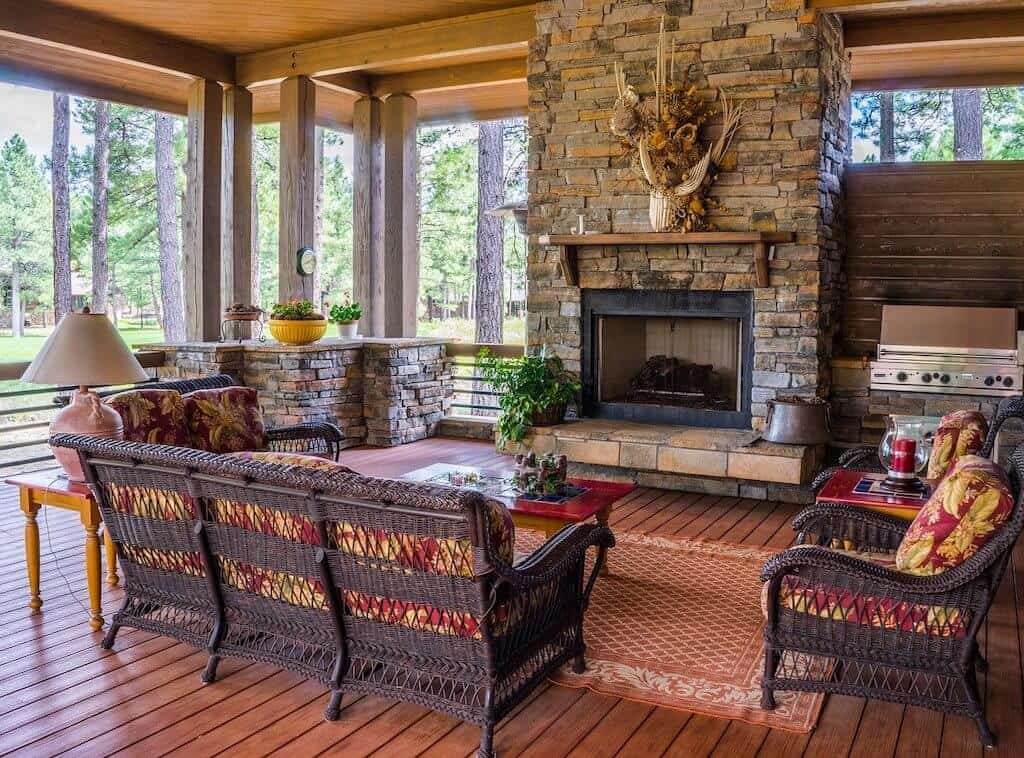
Cozy porch with wicker couch and chairs in front of a stone fireplace.

Though exposed to the elements, our outdoor property is hardly less important than what we keep inside. From grills to gardening equipment to your treasured heirloom gnome, there is an assortment of valuables resting in our front and back yards. Only, with these treasures, we seem perfectly fine with leaving them in the open for all to see. 

If you’re bent on remaining the block’s ultimate grill master (i.e., keeping your equipment away from thieves), read on to learn 10 handy tricks to secure your outdoor property.

Top 10 Ways to Secure Your Yard

1. Put it Inside

No matter your security measures, nothing beats the safety of the great indoors. If you keep an array of items you can’t live without — flat screens, sound systems, gardening equipment — outside, it may be best to bring them into a designated indoor storage area such as your garage before dark each day. At the very least, consider putting your items in a shed or outdoor lockbox. After all: out of sight, out of mind. If a thief can’t see anything worth their time at first glance, they’re less likely to snoop around.

2. Install Flood Lights

Across the U.S., burglary rates increase by 10% from daytime to night, revealing a pretty intuitive truth: thieves crave the cover of darkness. Not only are passersby or property owners less likely to spot them, they’re also more likely to be knocked cold sleeping. A motion-sensing floodlight can solve the former. No matter if animal or man creeps past, motion-sensing flood lights will leap to action, bathing the intruder in light while lending the impression that their every movement is being watched.

3. Increase Visibility

Thieves are more likely to target lawns with plenty of hiding spots. Large shrubs and tall grass provide excellent coverage, while unkempt foliage implies absence, making your home even more likely to be targeted. The solution is simple: keep your yard clean. Trim those hedges, mow that grass, tame that ivy — anything to improve visibility. If you want to go the extra mile, you can even consider planting a few cacti or burglar-proofing your landscaping on the whole.

4. Install a Security System

This option is slightly lower on our list due to high costs and maintenance, but in reality, nothing beats a top-of-the-line outdoor security system in terms of protection. Not only do video systems allow for easy monitoring of all outdoor activity, but the very sight of a camera or alarm system can also be enough to scare away a thief. You could say they’re a bit camera-shy.

5. Give the Appearance of Security

Just because a system is out of your budget doesn’t mean you have to settle for subpar security. Often, the mere appearance of a high-end security system can be enough to give thieves second thoughts since, most of the time, they’re not ones for researching. To look thief-proof, you can install fake security cameras (they still have very real-looking blinking red lights), in addition to security company yard signs and window decals.

6. Padlock Your Shed

While sheds make for an excellent space to stash and preserve outdoor equipment, they’re also one of the most frequently burglarized property items — mainly due to their owner’s lack of security. As such, it’s important to attach a sturdy, weather-proof padlock to your shed’s door handles (and be sure to lock up before heading inside after a day of gardening!)

7. Use a Steel Cable

Think your outdoor sports bar lounge is pretty sweet? So does the neighborhood thief. While locking up your flatscreen and grilling equipment seems obvious, your furniture is also a target and deserves protection as well. One way to achieve this is through using a steel cable — a flexible cord found at nearly every hardware store. After wrapping the cable around furniture legs and flossing it between every item, you can then affix a padlock to secure both ends of the cable, effectively tying everything together. This makes it nearly impossible for a thief to run off with a chair without dragging the entire set behind them.

8. Fortify Your Fence

Often, yards are burglarized as a result of shoddy fencing. If your fence is falling apart, replete with gaps, or using gate locks that no longer work, it might be time to revamp your fort. Looming, metal fences or fences with minimal spacing between planks are best at deterring burglars. If you want to get real intimidating, you can even fix metal spikes at the top of the fence as a kind of bougie barbed wire.

9. Install Gate Alarms

It’s understandable to not want an outdoor alarm blaring for the whole block to hear, but pool and yard gate alarm systems can be a great way to both alert you to nefarious activity and scare away impending intruders.

10. Get a Dog

If your dog’s bark is bigger than his bite, he’d make an excellent doggie defense system. Having an outdoor dog reduces your chances of being burglarized drastically since no thief wants to battle Fido over some lawn chairs. Putting up a “Beware of Dog” sign regardless of your dog’s real temperament can further drill home the point: your yard is off-limits.

Young blonde child in a blue tank top holding a garden hose with water spraying out of it and putting their hand into the water stream.

We Mow Down Yard Thieves

Not literally, of course. That said, Pop-A-Lock’s home security audit is sure to put local thieves out of business. After searching high and low for security weak points on your property, one of our safety experts will recommend solutions to fortify your home. Call today for a free quote or visit our site for more info.

The Best Places in Your Car to Store Valuables

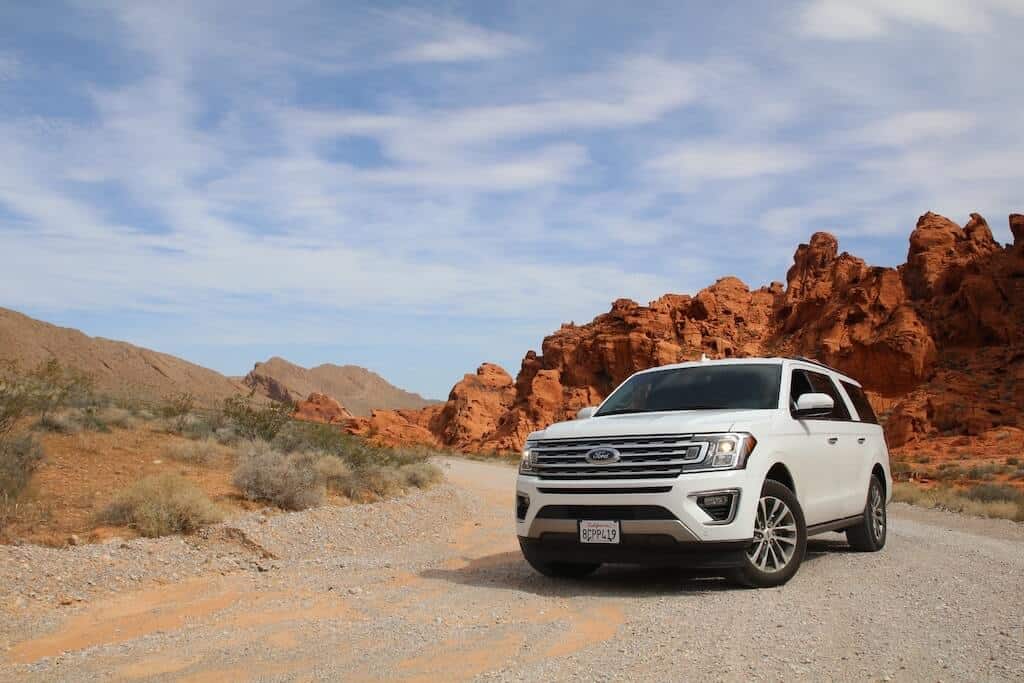
White SUV on a dirt road in front of mountains.

You’ve heard the rule before: don’t leave anything that you value in your car unattended, especially in plain sight. For anyone with nefarious intentions, getting their hands on precious items is as easy as peeking through the window of a car and seeing a laptop, phone, wallet, jewelry, or other valuables lying around. Luckily, if you find yourself in a situation where you have no choice but to leave your items in the car, there are ways to conceal them, keeping them out of sight for burglars and car thieves.

The inside of a car showing the front seat from the back.

Glove Box

The obvious option for hiding things you want to keep out of sight is your car’s glove box. The issue lies in the fact that glove compartments more often simply conceal your belongings, rather than protecting them. If a thief is already rooting around inside your vehicle, the first area they choose to check will more often than not be the glove box.

Unfortunately, locking the glove compartment is also not always a viable option, as it can draw unwanted attention to that area of your car, and burglars will assume that it is locked specifically to protect something of great value.

That being said, glove compartments are a handy option for stowing away documents, phones, and wallets in specific situations. If you are in an area where your parked car is not left for extended periods of time, and where it will be protected in the case of a break-in, glove boxes will do the trick. This can be somewhere like a parking lot or garage, or in the driveway of your home. Your belongings are usually safe in a glove compartment when there are cameras around to watch for criminal activity.

Center Console

Every car has a center console between the driver and passenger seats that can hold anywhere from a few small items to an entire purse or backpack! Stashing away items that are of importance to you (or items that may draw the attention of criminals) at the bottom of this compartment can protect you, your vehicle, and your belongings in the event of a break-in.

The downside to utilizing this compartment is that, just like the glove box, the center console is one of the very first places that are searched by individuals looking to take your things. Because of this, using the center console should also be limited to small amounts of time in well-lit, well-guarded areas.

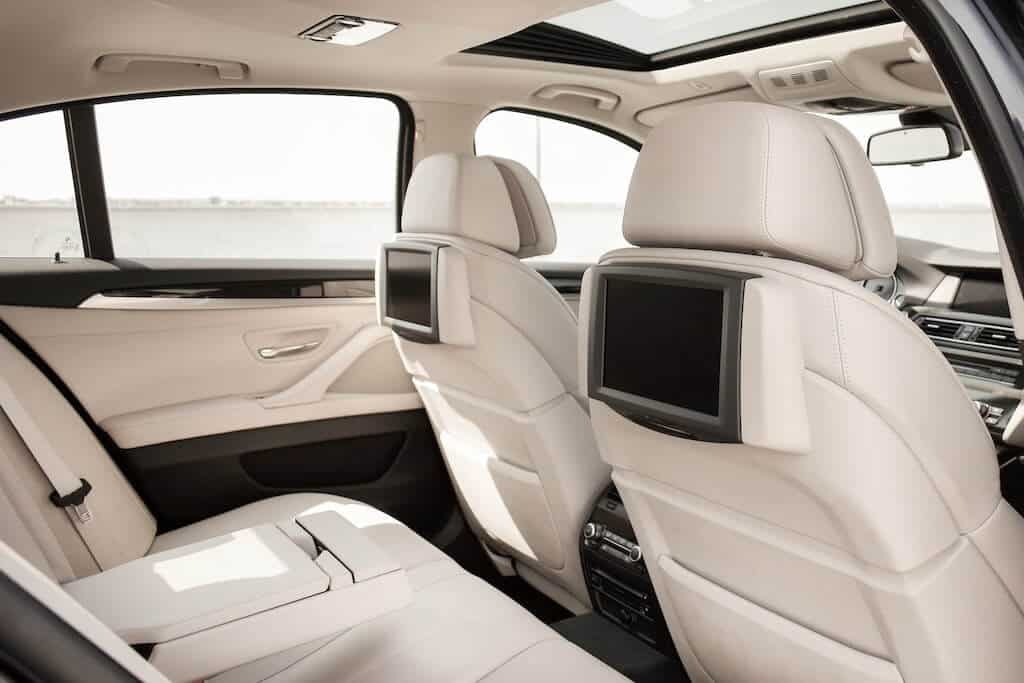
Small TV screens on the backs of the front seats in a car.

Special Compartments

It is not uncommon for your car to have one or several secret hiding spots, often in places that cannot be seen from outside of the vehicle. Reading your driver’s manual can clue you in to where these spots are located, and help you stash away those priceless items when you’re leaving your car unattended.

Some examples of compartments that most vehicles are likely to have include things like the pockets on the backs of the passenger and driver’s seats, as well as underneath floor mats and inside the center console in the back row.

An open book with sticky note tabs sticking off the pages.

No Secret Hiding Spots? Make Your Own!

If your vehicle does not come equipped with clever places to stash valuables, the good news is that it’s very simple to find your own! These are a few locations that most cars have that make for great undercover safes for when you have to leave a valuable item behind:

  • Empty (or not so empty) containers: Boxes from things like tissues and sanitary products and containers such as first aid kits are typically avoided by burglars as they are not expecting to find your items there.
  • Hollowed-out books or manuals: Cutting a hole in a thick book or driver’s manual allows you to safely stash your phone or wallet in the glove compartment without worrying about anyone snooping around. Just one thing: make sure to avoid cutting a hole in your actual driver’s manual! You never know when you may need it. Use a fake one instead.

Extra Tip: Be Smart When You’re Hiding Your Things

If you know you will need to leave items in your car, it is recommended that you stash them before parking or exiting the vehicle. You never know when someone might be watching you put your smartphone in a book, or your wallet in your first aid kit.

Pop-A-Lock’s top priority is your safety. So when traveling by car and leaving valuables inside, use these tips, and remember: Pop-A-Lock provides car door unlocking services for when you accidentally hide your car keys along with your wallet or phone!

Call Us 614-424-6736