614-424-6736

Going on a Trip? How to Stay Safe and Vigilant While Traveling Alone
Going on a Trip? How to Stay Safe and Vigilant While Traveling Alone

Travel Ready

Traveling alone, whether it be for business or pleasure, can be a nerve-wracking experience, especially when it comes to protecting the things that matter most: your belongings and your personal safety. Having your mind occupied with constant worry about your general well-being is no way to travel, so take some safety tips from your local friendly locksmiths.

planning

Research, Research, Research

Doing your research prior to taking a trip is always a smart move, but looking into where you’ll be staying and exploring the surrounding areas is that much more important if you’re planning on traveling by yourself.

This doesn’t just mean finding a good restaurant to grab dinner, or looking into museums and tourist spots. Find the nearest convenience store, subway station, bus stop, or gas station. To take it a step further, you can locate the nearest emergency departments to be even more prepared in case of an unexpected event or emergency.

Open Public Spaces

Do Your Best To Blend In

Common tourist destinations are like carnivals to pickpockets and other petty criminals. Looking out of place or lost in a big, crowded city can make you vulnerable to being approached or becoming a victim of one of these people.

There are several ways to avoid this problem, but they all boil down to the same concept: not drawing attention to yourself. Dressing as close to the local style as possible, or wearing inconspicuous clothing in general, is the easiest first step. There are also several clothing items and accessories you can invest in that will give you an added layer of protection, such as anti-theft wallets, jackets, and backpacks.

If you do get lost or need some help orienting yourself, it is vital to be discreet when looking at maps or asking for directions. Having confidence and an unassuming look will get you a long way when you’re alone in a foreign place.
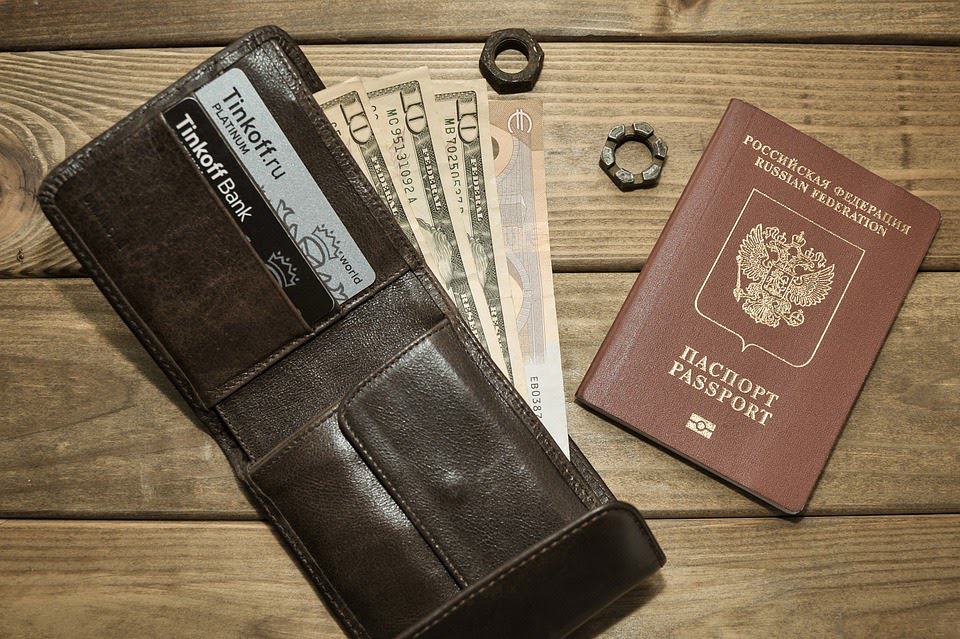
Traveling Passport & Wallet

Keep Track of Money and Important Documents

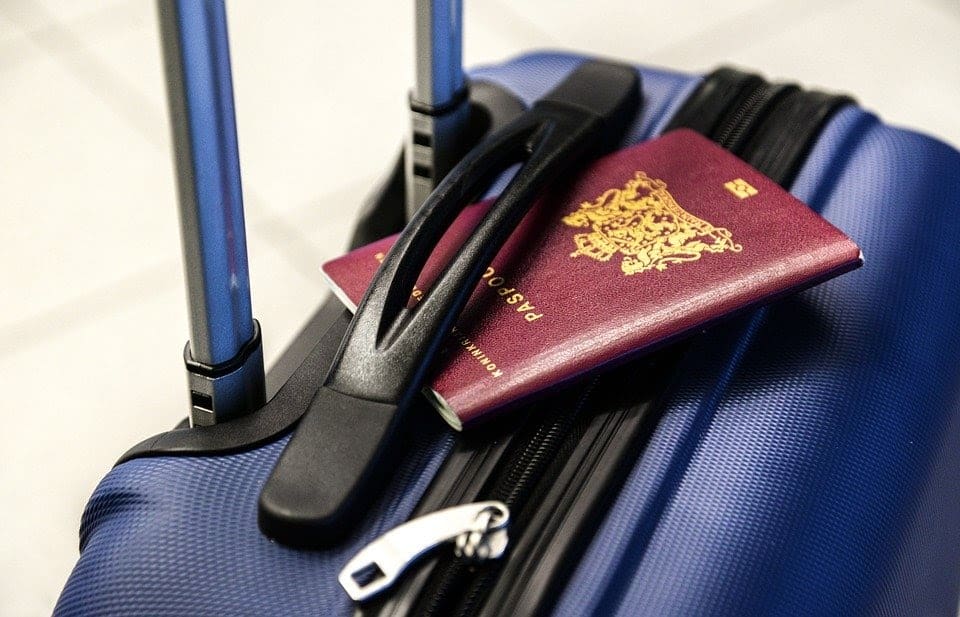
Losing your wallet or a major document is the fastest way to ruin your trip, and can cause immense stress, especially if you are in a foreign country. Making copies of documents such as passports, boarding passes, and tickets to events or tourist attractions can ease your mind and give you some time to truly unwind and enjoy your vacation. You could also consider taking advantage of the power of the Internet by storing all of your documents on the cloud.

In terms of money, there are several ways to ensure that you’ll be good to go when purchasing local food or some silly souvenirs for your friends and family back home. Aside from investing in an aforementioned anti-theft wallet, you can also take precautionary measures upon your arrival at your destination by utilizing the currency exchange at the airport. This means less conversion math and more fun for you!

Travel Responsibly

Your safety is of utmost importance to us, so giving you tips and tricks on how to be wise and confident while traveling is too! Keeping your home and family safe while you’re away, well, that’s our job.

Finding yourself in need of locksmithing services? No matter where you are, Pop-A-Lock is glad to help. Give us a call today!

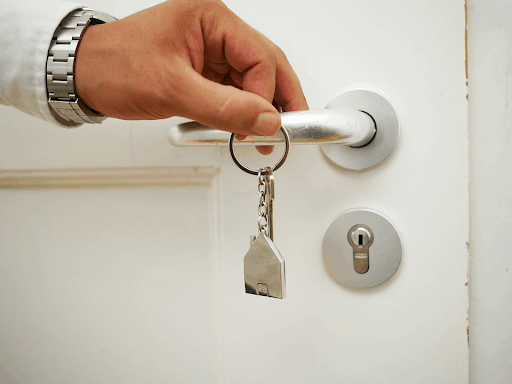
The Secrets You Need to Know About Hiding Spare Keys

spare key outside home

While no one plans on getting locked out of their homes, this unfortunate situation is always a possibility. As such, having a spare key can come in handy, allowing you to skip the panic and hassle of calling a locksmith. But with this added security comes added risk, especially if you plan on hiding your spare outside your residence. With some careful planning, however, you can rest assured that your spare key is kept secret, and you’ll always have a fail-safe way to enter your home.

Why Spare Keys Help

You never know what could happen in the course of a day. Like any other object, your keys can break, get lost, or — in the worst case — stolen. Whatever the reason, should your keys go missing, it’s great to have a spare set you can easily access to let yourself in. Unfortunately, if you plan on stashing your key somewhere on your property, burglars and other ne’er do wells now have a way to enter your home too. This raises an important question: where should you hide your spare so only you can find it?

spare key

Don’t Be Dumb

If you’ve seen that old key-in-a-plastic-rock routine, so have burglars. Yes, they also know about other spare key hotspots like door-ledges, mailboxes, and porch lights. Leaving your spare keys in obvious spaces leaves you vulnerable to robbery, so if you’re going to outsmart a crook, you’ll need to look beyond doormats and flowerpots, and on to less-likely stash spots.

Clever Places to Hide Your Spare

  1. Disguise it: While fake rocks are cliche and obvious, fear not: you can still hide your key on your property through an assortment of discreet and innovative key-holders disguised as common lawn equipment. Typically found online, these containers include fake drain caps, lawn sprinklers, and even mock electrical outlets. They’re easy to overlook, and would draw quite a lot of suspicion to anyone trying to snoop them out.
  2. Get experimental: You don’t need to drop money on fake-out key holders to find ingenious hiding spots on your property. This can include any number of places. If you’re confident in your memory, you can stash your key in an empty bottle, bury it in your lawn, and mark the location using a rock that’s unlikely to move. Your door knocker can work too if you glue a magnet to the back and leave enough space to slip your key under. You can even tuck it away in the doghouse. Anything goes, really, as long as you’re thinking of places you’d never look, and then finding ways to store your key there.
  3. Lockboxes: This may be an obvious method, but it’s perhaps the most secure. Lockboxes are small containers that can only be opened through punching in a code. Real estate agents often attach lockboxes to doorknobs, but you’re better than that. Rather than hanging your container out in the open for all to see, consider stashing it away under a bush, or burying it in a marked spot in your garden.
  4. Go high: Often, it’s best to keep your spare key someplace out of reach, whether tucked away in a birdhouse, nailed to an inconspicuous part of a tree, or in a noisy bunch of windchimes. It will take a greater deal of effort to retrieve your key from these perches, but it’ll be even more difficult for a thief who doesn’t want to draw attention to themselves.
  5. Phone a friend: The above methods might be clever, but nothing beats the security of knowing that a close pal has your back. If you have a trusted neighbor or a friend who lives nearby, you can ask them to hold on to your spare, and drop it off to you in case you get locked out. Additionally, if an emergency happens while you’re away, your neighbors would now have a way to enter your home to help mitigate the problem.

House keys

Your Safety is Our Priority

Everyone deserves to feel secure in their homes, and Pop-A-Lock believes in informing homeowners of any and all measures they can take to ensure their safety. Hiding a spare key is a good first-step, but if you’re in need of a little extra reassurance, call to speak with one of our expert locksmiths, or check out our website to learn more about our rekeying, lock repair, and installation services.

Why You Need to Rekey Your New Home

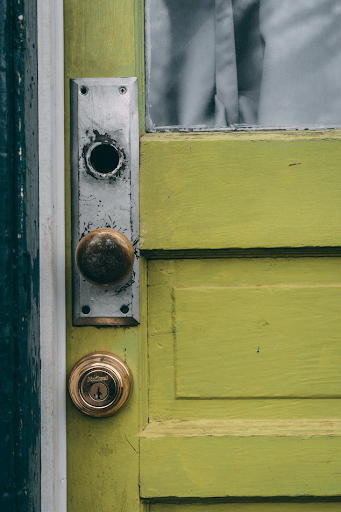
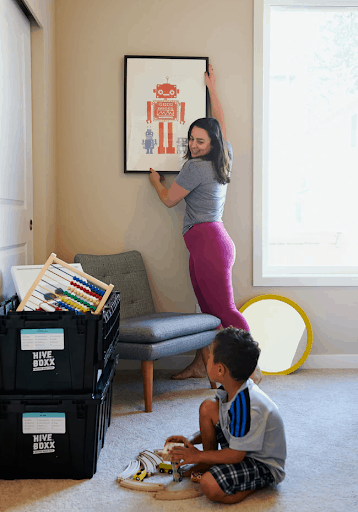
painting

Whether you’re a seasoned homeowner, or you just moved into your first house (congratulations!), there are always concerns about the security of your family, possessions, and property. What can you do to help ease this stress? To avoid any issues or complications with latent keys that may be floating around without your knowledge, consider rekeying your home.

old locks

Reasons to Rekey Your New Home

  1. Master keys: In many communities, there are master keys which open every lock in the building or neighborhood, and often belong to construction crews or landlords. This means every lock in that community more than likely has master pins left inside the mechanism, so rekeying in that situation can be a useful solution.
  2. Duplicate keys you may not be aware of: Whether your home is previously owned or newly constructed, there is no way to be sure of just how many people have duplicate keys, giving them access to your home. In the case of previously owned homes, there is a chance that previous owners (even their family and friends) still possess duplicate keys. If your home is newly built, contractors and realtors might have duplicate keys.
  3. Construction mishaps: No new home build is perfect. There are bound to be small mistakes or issues that need to be sorted out. When these issues are with your locks, however, there is a concern of safety and security that arises. The best thing to do is call a locksmith and have your locks checked. From there, you can either rekey or replace the lock.
  4. Lock deterioration: For previously owned houses, rekeying the locks is as much an issue of safety as it is restoration. Locks that have been used for significant amounts of time are bound to be worn down, making them function worse than when they were new.

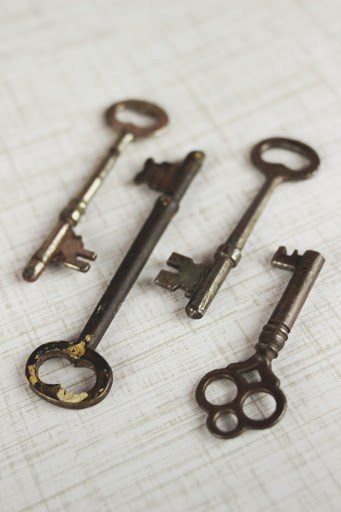
vintage keys

Rekeying vs. Replacing Locks

When a lock is rekeyed, the locksmith will first examine the lock in order to assess any damage and determine if you are better off with a complete replacement. If rekeying is the best solution for you, the locksmith will remove the existing pins and springs (the components that make your locks fit your keys), and replace them with new ones. This means your lock can now fit a new, different key.

That being said, over time, locks can wear and degrade past the point where a rekey is the correct solution. In this situation, your locksmith will advise you that you will require a complete lock replacement.

Replacing versus rekeying locks depends on your needs. If the locks in your new home are clearly degraded and worn, consider a lock replacement rather than a rekey. If you are happy with the function of the locks themselves, and are more concerned about duplicate keys, rekeying is the solution for you!

indoor comfort

How Pop-A-Lock Can Help

Pop-A-Lock understands that feeling safe and secure in your new home is a top priority for any homeowner. Whether you are in need of an inspection, replacement, or rekeying, we are happy to help. To schedule an appointment with one of our expert locksmiths, call today!

Top 10 Locks We Recommend for Your Business

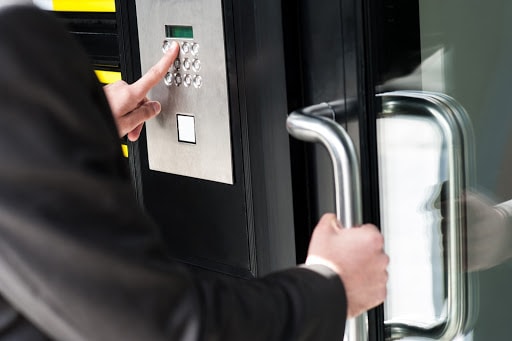
Businessman entering safe code to unlock the door.

As a business owner, you’re no stranger to responsibility, whether to your customers, shareholders, or the team that makes your success a reality. One integral — if overlooked — step in realizing all of these obligations is workplace security. Having an industry-leading security system in place can deter break-ins or alert you of potential outside threats before they become a problem, saving your company thousands each year. And though an office or business front’s security system involves many moving parts, it all begins with a secure locking system. All other security efforts serve to back-up this first line of defense.

Read on to learn more about different types of locks, and see our top picks for your business.

Why workplace security matters

Though the importance of office security may seem obvious, we want to re-state just how crucial it is in ensuring your business thrives: security is integral in mitigating threats from the outside, protecting office valuables, and the safety of your staff.

In having a secure office, you’ll be able to block or detect threats before they become a problem, which could save you hundreds or thousands in the long run. If, for instance, your office was broken into due to a weak or outdated locking system, you could lose important electronics like desktop computers, printers, and TVs — in addition to the peace of mind of your employees.

open access doors

Top 10 locks for your business

Before choosing a lock for your business, it’s important to know that you’re getting the right one for you. Today, there are three prominent categories of locks: smart locks, commercial locks, and deadbolt/security locks. Each has its pros and cons, but they can all be equally successful. When evaluating these categories, consider the needs of your business and employees: the perfect lock is sure to follow.

Smart locks: These are the most technologically advanced locks on the market today and, arguably, the most secure. Smart locks are keyless and involve both an electrical and digital component: the locks themselves are electronic, meaning they can lock or unlock whenever triggered, while the entire system is connected to either an electronic keypad or smartphone app. Both of these components allow for automatic locking, remote access, and real-time updates. While these functions allow for greater ease of use in comparison to traditional deadbolt locks, it’s important to note that they’re all susceptible to electrical malfunctioning and cannot be unlocked or re-locked should your phone die while accessing them remotely.

Our top picks:

Commercial locks: The following locks are generally accepted as having strong commercial uses, offering the greatest in protection while still maintaining the functions of classic, high-security deadbolts. Most of the following require some use of thumb-turn keys, though the first two options have an electronic keypad as well. If you’re looking for the added security of electronic deadbolts with the constant reassurance of a physical key, these are the locks for you.

Our top picks:

Deadbolt and security locks: 

The following are less-accepted as commercial locks, and although they lack the tech features and mechanical prowess of our earlier picks, they serve the function of locking your business all the same. However, it’s important to note that single-cylinder deadbolts are only one step up from spring bolt locks — the least secure locks on the market — in terms of security. Mortise locks, on the other hand, are more difficult to kick in since they’re set into the door frame itself. Additionally, all locks on this list require keys for entry.

Our top picks:

Group of young people working together. Creative business people in modern office. Hipster team in coworking. Young modern colleagues. Teamwork.

Pop-A-Lock Can Audit Your Office

We believe everyone deserves to feel safe both at home and work, which is why we offer business security audits along with our residential ones. Using our expertise, we’ll scour your workplace until we’ve located all security threats and provide solutions. Call us today for a free quote!

Smart Security Systems Tips and Tricks

home safely locked

For those of us who are chronically online, stumbling across a “lifehack” post with a simple trick that shatters our version of reality — like finding out you can chill wine with, get this, frozen wine — is just part of a normal afternoon. And while these tips are nothing short of fascinating, they rarely have much to do with the bigger questions of adult life, such as your home’s security.

Here, we’ll cover several mind-blowing (and simple!) life hacks to help you get the most from your home’s smart security systems.

How To Have The Safest Home Alarm System

Today’s home alarms aren’t the simple beeper-systems of our parents; in fact, most come tricked out with motion detectors, video monitors, and activity programmers — some can even sync to your home’s thermostat. Not only can today’s alarm systems alert you to unauthorized entry in record time: they can also help you stay alert to any and all activity in your home.

Here are several hacks to get the most out of your smart alarm system:

  • Check-in: If your home alarm system has video-monitoring capabilities, use them to check-up on your household’s daily activities. Whether this includes keeping a look-out for dessert thieves s or watching your cat’s daily shenanigans, these cameras can do a lot more than simply monitoring for thieves.
  • Save on your energy bill: Some alarm systems either sync to your thermostat or control your home’s temperature directly. If this is the case for you, be sure to make the most of your alarm’s remote access by reducing the temperature or turning off lights when you’re not home.
  • Prevent water damage: In addition to temperature controls, some smart alarm systems monitor changing internal conditions, going so far as to sensing excess moisture and turning off the water if a leak is detected. To keep an eye on your pipes, simply place a sensor under your sink or in your crawlspace. If a leak is detected, you’ll be notified immediately.
  • Install a smart lock: Even though your alarm system is immediately triggered when a door opens, you don’t want thieves to simply waltz in and run the clock until the police arrive. Your first line of defense is always a firmly locked door, but even this evades us at times. If you find yourself frequently forgetting to lock your door, it might be time to invest in a smart lock you can control remotely. After all, we’re only human.
  • Keep your lawn clean: An additional way you can ease the burden on your alarm system is by keeping your lawn tidy. Burglars are always on the look-out for additional cover and signs that a home is sitting vacant. Typically, unkempt lawns indicate that you’ve been gone for an extended period, making it obvious that your home is unguarded. Overgrown hedges and tall grass also make for perfect cover, as thieves can easily duck out of sight or shield their presence as they break-in. Though messy lawns are eye-sores for the whole neighborhood, nothing is more attractive to a thief.

smart phone locking

Safety Tips To Minimize Everyday Risks

No matter how advanced your home’s complete security system is, there are always steps you can take to optimize its efficiency and minimize risks. These tricks include:

  • Updating your interior locks: Even the most advanced internal security systems are nothing without the presence of a good lock. As such, it helps to semi-frequently update your external locks to prevent weathering and stay abreast of current security trends.
  • Installing motion lights: Even thieves are gullible to a good jump scare. Using outdoor, motion-activated floodlights can serve to back-up any outdoor security cameras, both providing some much-needed visibility and scaring away intruders.
  • Having a guard dog: This might seem a little barbarian, but having a loud, imposing dog in addition to your home’s security system can actually help deter thieves. According to a survey, 34% of convicted burglars stated that hearing or seeing a dog would turn them away from a home they were considering breaking into. But be warned — dogs require a lot of care, so buying one for security purposes alone is never a good idea. That being said, these watchful guards make for loving pets.
  • Using a high-security safe: Should your home — heaven forbid — be broken into, having a secure safe stored away someplace nondescript can mean the difference between minor external damage to losing thousands of dollars worth of valuables.

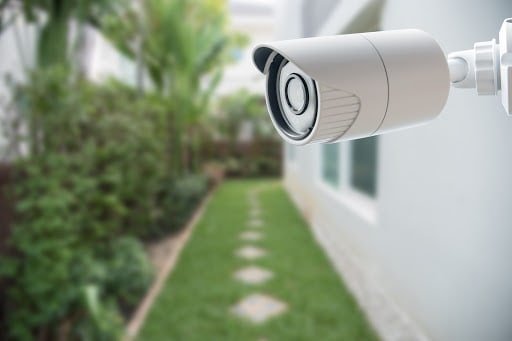
cctv security camera

Tips On Keeping Your Home Safe While Away

One additional component of “lifehacking” your home’s security involves staying safe while away using smart technology. If you’re planning on being away from home for an extended period, it’s important to stage your home to look as if it’s being actively lived-in, or at least make your security system visible on the outside. This will deter potential thieves who scour neighborhoods for vulnerable-looking homes. Here are several ways to avoid being noticed:

  • Use lights with randomized, automatic timers
  • Install outside cameras that sync to your existing security system
  • Don’t let your mail or packages pile up outside
  • Refrain from posting your whereabouts on social media, especially if your handle includes your real name
  • Have Amazon’s Alexa play a randomized burglar prevention soundtrack, or make dog noises while you’re away (what can’t she do?)

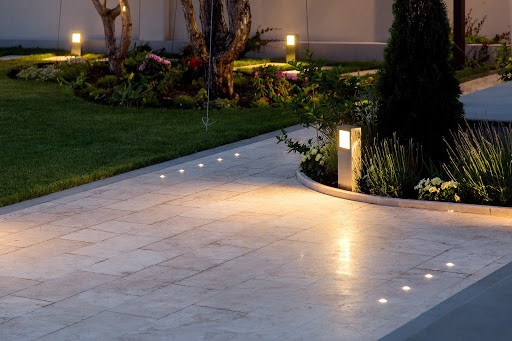
marble tile playground in the backyard of flowerbeds and lawn with ground lantern and lighting in the warm light at dusk in the evening.

Stay Secure with Pop-A-Lock

If you’re still on the fence about improving your home’s security measures, let Pop-A-Lock clear up your doubts with our residential security audit. We’ll scour your property in search of security blindspots, and advise you on how to beef up your defenses. Or, if you want to evaluate it for yourself, download our free home security audit checklist today!

How to Keep Your Home Secure While on Vacation

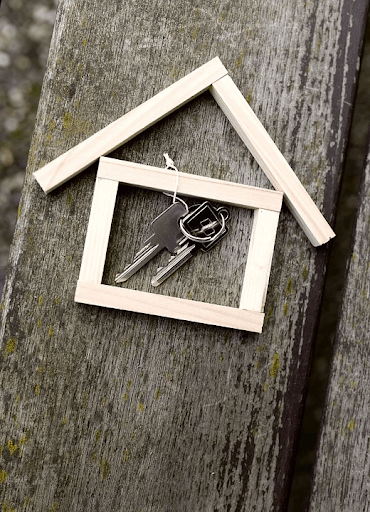
Symbol of the house with silver key on vintage wooden background

While reclining in a hammock, tropical drink in hand, the last thing you want to see is your phone lighting up with a notification from your security system or a frantic neighbor, alerting you that your home was broken into. Vacations are your time to unwind and let go — and pesky criminals have no right to drag you back into reality.

Luckily, there are ways to protect your abode from afar. If you’re aware of how burglars select their targets, you can take the precautions necessary to protect your home from unwanted attention. And when you know there’s nothing to worry about back home, it’s that much easier to relax on your hard-earned getaway.

Facts on burglaries

Break-ins aren’t random: they’re the result of burglars scoping out a property over the course of days or weeks, looking for security gaps or signs of vacancy. It’s no wonder that burglary rates are highest during the summer months when most families leave their homes to go on vacation. After all, an empty home is a vulnerable one.

As such, burglars look for certain telltale signs of vacancy, including:

  • Unkempt lawns
  • Empty driveways
  • Windows left dark for several days
  • Overstuffed mailboxes and/or packages left sitting in doorways

If a burglar picks up on any of these hints — and notices that your home lacks a visible outdoor security system — your home is more likely to be targeted with each passing day. However, there are certain steps you can take to protect against break-ins while on vacation, though it requires some extra planning on top of your usual packing list.

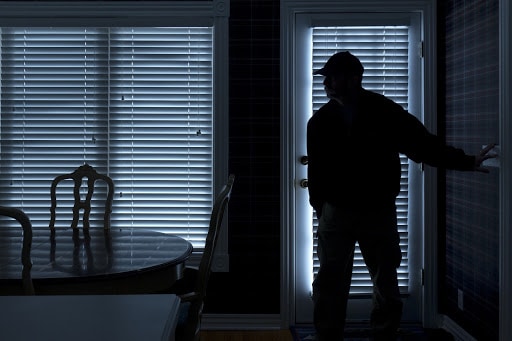
This photo illustrates a burglary or thief breaking into a home at night through a back door. View from inside the residence.

Tips to keep your home safe

Indoors:

  • Lights with timers: Even if you’re thousands of miles away — and plan on being so for several weeks — it’s important to still give your home the appearance of being actively lived-in. Well-lit interiors accomplish this, lending the appearance of someone being inside. But you don’t need to worry about skyrocketing electric bills when securing your home: leaving the same lights on at all times can indicate absence too. In reality, it’s best to plug your lights into an automatic timer. These devices are cheap and can be purchased online — just be sure to set the timer to “random” so thieves can’t detect a pattern.
  • Hide valuables: A common error many vacation-goers fall into is leaving their blinds or curtains open while away, effectively giving thieves a sneak-peek to your home’s valuables. To avoid this fatal misstep, be sure to darken your windows and stash any expensive items out of plain view.
  • Stay off socials: Though it’s tempting to post a “beach vibezzz” snap of your Bhamama vacation unless you want to alert thieves that your house is sitting vacant, it’s best to leave the vacation recap until after you’re home safe. This is especially true if your profile handles use your full name: just like everything in life is now digital, modern thieves have taken to the internet to scope out the whereabouts of their potential targets. Your followers might be closer than you think.
  • Lock up: This might seem obvious, but it doesn’t hurt to double-check every door, pet door, and window before leaving on vacation. In one survey, 56% of burglars said they entered a residence through the front or back doors, while 22% said they entered through a first-story window. Based on this information, it’s safe to assume that many households leave their doors unlocked out of forgetfulness

Outdoors:

  • Keep the lawn tidy: As mentioned above, signs of negligence are the biggest giveaways of home vacancy. Your overgrown shrubs, unruly lawn, and wilting hydrangeas all reveal that no one has been around to tend to them for a while. If you’re only leaving for a short trip, consider mowing your grass and trimming up before you leave. But if your trip spans several weeks, it might be best to call on a good buddy or a close neighbor to care for your lawn in your absence.
  • Take your spare key: Since thieves know all the common hiding spots for spare keys — doormats, potted plants, fake rocks — it’s strongly recommended you either take your spare key with you on vacation or hide it in a secure location inside. However, if you worry the little guy may get lost in the scramble to move luggage from one hotel to another, you could opt for a clever, nondescript stash spot like this.
  • Hide mail and packages: Just like unkempt lawns can signal an absence, overflowing mailboxes, and unclaimed packages can show that no one has been around long enough to claim them. As such, it’s probably best to hit up that neighbor once again or have your local post office put a hold on your deliveries until you return.
  • Security camera system: You may have a high-tech alarm system within your home (and, in our opinion, most homes should!) but nothing stops a thief in their tracks more than an outdoor security camera. Cameras not only record evidence and signal that your residence is under watchful surveillance but also alert you to any potential disturbance.
  • Light your home’s exterior: Finally, just as you should keep your home’s interior well-lit, you should keep the surrounding yard lit with outdoor lights as well. Not only does this give your home the appearance of frequent activity, but it also shines a light on potential dark spots, making it all the more difficult for ne’er do wells to hide.

house with lights on

Pop-A-Lock Holds the Key to Security

If you’re still concerned about your home’s safety, or you don’t know where to look for potential weak-spots, Pop-A-Lock’s security experts are here to help. Check out our free security audit checklist to assess your home’s security level on your own, or call to get a free quote on lock repair or installation!

Why Your Company Needs a Secure Business Mailbox

Why Your Company Needs a Secure Business Mailbox

mailboxes

Owning a business is a huge accomplishment and source of pride. Your important documents, delivery orders, and payslips deserve to be treated with the same level of dignity. To protect your company’s mail from damage or criminal activity, consider investing in a secure business mailbox — an important step in propelling your company’s success.

Post Office Box vs. Business Mailbox

Both store business-related mail securely, but the technical differences between PO boxes and business mailboxes — and what both convey to customers and clients —are of utmost importance to your business. 

Simply put, PO boxes are locked storage containers for your mail, located at your local post office. Though they can store all business-related mail and packages, PO boxes are not owned by the business itself. Business mailboxes, on the other hand, are operated by private companies, and have the prestige of a physical street address, usually located in a city’s business core. These mailboxes still receive mail from traditional mail services but they’re operations are under the sole control of the private business. 

In even scanning the definitions of these two types of mailboxes, it’s apparent that business mailboxes lend a company an  air of professionalism, while PO boxes seem trite in comparison. These impressions might be superficial — a thriving company can certainly use a PO box for all mail — but appearances matter when trying to grow your business base. When choosing between a PO box or business mailbox, business leaders need to closely consider the differences between the two:

  • Professionalism: When reviewing a company’s contact information, both clients and customers are likely to hesitate at the mention of a PO box, wondering “is this company legit?” PO boxes aren’t permanent fixtures directly tied to a company, which could signal to customers that your business is either struggling or poorly-run. This could be far from the truth, but no business can escape this impression. The same goes for home addresses. Customers are often wary of addresses ending in “Lane,” “Courtyard,” and “Place,” since these streets are almost always associated with residential areas. To many, running a business from a home doesn’t seem as real. A business mailbox, however, has its own street addresses and is controlled by your company directly, serving as a testament to the business’ success. Even if your company is virtual or spread-out, having a private, physical mailbox can help you maintain a local presence. 
  • Security: Business mailboxes hold all mail, packages, and products in a lock secured unit until the company retrieves it. Here, mail is kept safe from the elements and potential meddling. Only authorized account holders can remove mail from business mailboxes. This is far more secure than home mailboxes, where nearly anyone can access your mail, or even the post office, where mail is more likely to go missing or over-stuff your PO box. 
  • Privacy: When operating a business from a home address, privacy is a huge concern. For once, since your information is public, anyone could show up at your residence or tamper with your mail. Both business mailboxes and PO boxes help preserve your privacy, though only business mailboxes can offer companies the best in protection. Due to its direct address, the mail destined for business mailboxes is kept separate from other correspondence, preventing the mix-ups common at most post offices.
  • Cost and Convenience: Although business mailboxes are more expensive than PO boxes up-front, they’re significantly more convenient. Most mailbox service facilities offer 24/7 access, meaning that account holders can pick up the mail whenever necessary. Even if you travel frequently, mailbox services can sign for special deliveries and notify you when mail arrives. This is a big step up from having to worry about being home to sign for packages, or rushing to the post office and waiting ages to pick up your mail.
envelopes

What Level of Security Is Right?

As with any business decision, choosing between a PO box and business mailbox depends entirely on your company’s needs. If your business is growing and needs to remain competitive, a business mailbox with it’s very own address is probably  what you need to seem successful while allowing you to meet your customer’s demands. On the other hand, if your company is a start-up or a virtual business without a central office location, a PO box might be your best bet, keeping your mail secure until your business gains its footing.  

mailbox

Pop-A-Lock Will Secure that Box

Whether you need a keypad lock or turn-key lock installation, Pop-A-Lock technicians are the smithees for the job. Give us a ring today to discuss your needs and get a free quote. We promise to provide state-of-the-art locks and installation services suited to your business needs. 

How To Ask Your Boss for More Security in the Workplace

How To Ask Your Boss for More Security in the Workplace

office security

Everyone has a right to feel safe and secure at their workplace, regardless of position. Nonetheless, it might feel intimidating to bring up security issues to your supervisors or managers. No one wants to risk coming across as accusatory, or risk overstepping some invisible line.. But, at the same time, maybe a former employee is making threats against the company, or perhaps the parking lot lacks adequate lighting. Whatever the issue, if you feel you or your co-worker’s safety is at risk, speaking up is the right thing to do. Here, we’ll show you how.

office workspace

Signs Your Office Isn't Secure Enough

Before you raise a concern, it’s important to evaluate whether or not your workplace safety is truly compromised, and if your company already has security measures in place to deal with the issue. It’s likely that your office isn’t as safe as it could be if it has any of the following:

  • No security system or surveillance: Whether or not there’s been a workplace incident or break-in, a total absence of an office security system is a cause for concern. Despite how safe the area may be, without an alarm system or security cameras in place, the office will always be vulnerable to outside threats and unable to be alerted in case of an emergency. This could lead to heightened anxiety among employees, reducing their productivity and overall wellbeing. 
  • Unsecured entrances: If you work at an office with multiple entrances, it’s important to check that each point is secured against unauthorized guests. The front entrance may have a receptionist, key-card reader, or keypad lock, but if other, less-conspicuous doorways are left open and unmonitored, you’re still every bit as vulnerable to intruders.
  • Threats and violence: If your office recently let go of a disgruntled employee, received threats of violence, or was the site of a violent attack — and higher-ups did nothing to improve security measures — it’s time to take action. Not only is it nearly impossible to work under the threat of an imminent attack, but employees are now directly in harm’s way. Dangers of this nature should be taken seriously, and security should be ramped up in order to prevent anything bad from happening. 
  • Poor visibility: Take a long, hard look at your office campus. The large shrubs, concrete pillars, or dark corners scattered around the perimeter or parking lot may add to the aesthetic appeal, but they also offer convenient hiding spots for thieves or assailants.  If the area has weak lighting (or no lighting whatsoever), the chance of potential threats has now doubled.  
parking lot

How to Ask for More Security

When raising security concerns to your boss, it may feel like challenging authority or,  if you’re alone in your concerns, like presenting a losing argument. But this is hardly the case. If you’re working for a company that truly cares for its employees, supervisors would be grateful that you brought up an issue they likely overlooked, and would fix the problem immediately. After all, the office climate improves and everyone produces better work when they feel relaxed and cared for.

Below are a couple pointers for making a strong case for greater security: 

  • Bring up specific incidents: When making the claim that you or others feel unsafe at the office, it helps to provide some specific examples of security breaches or dangerous incidents, especially if your boss wasn’t there. You can also describe how such incidents made you and other employees feel, and how morale was impacted afterwards. 
  • Point out weak-spots: (And how they can be improved). After detailing safety breaches, explain why you believe beefing up security could have prevented the incident from ever taking place. If a former employee breached a back entrance, for instance, you could mention that by placing a keycard reader at every door, only current employees would be allowed entry. Should employees feel unsafe walking back to their cars at night, you can suggest greater lighting. Your boss will be more receptive to claims of danger if you provide a concrete solution for mending the problem. 
  • Get co-workers involved: Finally, before raising concerns to your supervisors, it’s best to have some people in your corner. Consider collecting written testimonies from co-workers, or creating a document for everyone to sign. There’s safety in numbers, and if you can prove that the office supports your efforts at improving safety, your superiors will feel more pressure to improve security as quickly as possible.  
CCTV Camera

Pop-A-Lock Can Audit Your Office

We believe everyone deserves to feel safe both at home and work, which is why we offer business security audits along with our residential ones. Using our expertise, we’ll scour your workplace until we’ve located all security threats and provide  solutions. Call us today for a free quote!

The Best Safety Items Every Rideshare Driver Should Have

The Best Safety Items Every Rideshare Driver Should Have

ride share

In recent years, ridesharing has exploded as a popular transportation option, bolstered by easy-to-use apps like Lyft and Uber. Just as ridesharing has become a simple fix for pedestrians in a pinch, it’s also an easy way for everyday drivers to make some extra bucks with their vehicles. 

But everyday people transporting strangers to and fro raises important safety concerns. As a rideshare driver, you should look out for your rider’s safety, as well as your own. Luckily, several must-have gadgets can prepare you for any situation that arises. 

Must-have safety items

  • Hands-free phone mount: Since rideshare drivers rely on GPS navigation to map to new locations and provide the fastest routes, phone mounts are a safety essential. These nifty devices contain an adjustable clasp that latches onto your smartphone, leaving just enough room for your charging port so you can hook up to your aux as needed. Attached to the clasp is a suction that  holds the rig in place on your dashboard or windshield. The whole setup allows for a worry-free navigation, where your hands can remain on the wheel at all times and you need only glance at an eye-level map to keep on-course. You can find a variety of hands-free phone mouns online, with Amazon and WeatherTech being the most popular sellers. 
  • Dash cam: As most rideshare veterans can attest, dash cameras can be a lifesaver in cases where you need to dispute a customer claim or, heaven forbid, provide evidence of unruly customer conduct. Like phone mounts, dash cameras easily attach to dashboards or windshields through a suction device, and contain a surveillance camera that records all in-car activity.  
  • First-aid kit: We all know humans can be messy, especially if they’re hauling luggage into a car or squeezing between other passengers. Since cars are confined and roads are often bumpy, it’s always possible riders could get injured on their route or fall victim to motion sickness. Keeping a small, well-stocked first-aid kit within your glovebox or tucked into a backseat pocket can help customers tend to their injuries in a flash, and prevent your car from looking like  a crime scene. The same goes for sickness bags, which customers can use if they’re feeling nauseous. Even if the malady is only a paper-cut, your rider would certainly appreciate being offered a band-aid — and may give you an extra tip as a result!
  • Spare tire or flat kit: You never know what could happen on the open road. In the case a tire goes flat while completing your routes (or during any drive!), you’ll want to keep a spare tire and car jack in your trunk so you can remove the flat, attach the spare, and get back on the road in a jiffy. 
  • Battery jump kit: Similar to spare kits, battery jump kits help re-start your car if your battery dies, and can be easily stored in the car itself. In the past, these kits would include jumper two jumper cables: one that attaches to the dead battery, and one that attaches to a running car battery. Things are a little different these days. Online, you can sort through an array of battery jump kits that hook to a rechargeable high-voltage battery, no second car required.  It’s an insanely quick fix that’ll save you from ever being stranded on a roadside again. 
  • Location tracker: We often hear location tracking apps advertised to customers of rideshare services since they’re hopping into cars with  complete strangers, but we forget that drivers experience the reverse of this scenario. Though they trust their passengers, there’s always the possibility that the stranger in their backseat could be using a substance, concealing a weapon, or intending to rob the driver. For these reasons, it’s a good idea for drivers to use a location tracker like FindFriends or Life360, and share their whereabouts with friends and family. Your safety matters, and if you happen to get stuck or are forced to drive to an unintended location,  your circle would be able to locate you through these apps and get help. 
ride share driver

Pop-A-Lock can fix up your ride

Despite the convenience, cars can be a big hassle. They break down, keys get lost, doors get jammed. We may not be able to fix up your engine, but Pop-A-Lock is here for all your car’s lock related needs. We offer car-fob copying, re-keying, and 24/7 roadside locksmith services. Hop on over to popalock.com to learn more, and add our roadside assistance number to your contacts. You never know when you’ll need a smithy to save the day!

From Our Lock Experts: How to Organize Combinations and Passwords

multiple passwords online

Living in the 21st century means everything is online. And with the increase of information (especially of the personal nature) going onto the Web, there must be an increase in security on your end. Restricting access to your personal information and profiles is key to protecting your identity on the Internet, and keeps not only you, but the people around you, safe.

Don’t Take the Easy Way Out

It would seem that the simplest thing to do would be to use the same password (or slight variations of the same password) for all of your accounts, eliminating the need to organize and remember passwords entirely. This sounds like the perfect solution on paper, however, it actually poses a greater risk to your safety than you would think. If a hacker were to get a hold of just one of your passwords or combinations, they would have an immense head start to figuring out every other one. Choosing unique and hard-to-crack passwords for each account or profile is the first step to protecting yourself online.

That being said, now we have a new issue: how do I remember all of these different passwords?

Organizing and remembering tens, even hundreds of passwords can seem like a daunting task. Fortunately, there are several ways to keep your accounts, documents, and information secure.

building code website

Write It Down

The beauty of this solution is that, at the end of the day, you don’t actually have to remember any of your passwords. All you have to do is write them down and keep them organized and in one place. There are several ways to do this:

1: Use a spreadsheet. Digital spreadsheet programs, such as Microsoft Excel and Google Sheets, allow for greater organization when it comes to storing multiple pieces of data. Setting up a file in one of these programs will also make it easier for you to access that information when needed, since it all lives in one place.

2: Buy a journal or planner. If writing down your passwords on your computer still seems too vulnerable for you, organize the old fashioned way! Any old notebook, journal, or spiral will do, or you can purchase a planner that is specially designed to store passwords and organize that kind of information.

3: Keep a note on your phone. Nowadays, it’s very rare that we are at our computers without having our cell phones somewhere in the vicinity. This means that adding all of your passwords and combinations into a dedicated note on your cell phone can be a fairly useful way to keep track of this information.

Circuit Board

Use A Password Organizer

If none of these solutions fit your needs, consider using a password manager. Password managers are browser extensions or digital programs that store passwords for you. These extensions, in addition to organizing and keeping your information, also protect them with their own password security lock. That means you only need to remember one password, which makes your life that much easier! Here are a few examples of these extensions:

  • LastPass: LastPass is a password manager that encrypts and stores all of your logins in a ‘vault’. It has a web interface, as well as various plugins (including a browser extension) and a mobile app. They offer a paid plan as well as upgraded versions.
  • Bitwarden: Bitwarden is a free, open-source password manager. It’s offering is practically the same as LastPass, with the inclusion of a command-line interface, or CLI. Bitwarden can also be hosted on any platform you choose.
  • RoboForm: RoboForm is a bit different from LastPass and Bitwarden because it has a very sophisticated, highly customizable password creation feature. It’s also free with no cloud backup necessary!

Conclusion

All of this being said, organizing your passwords and logins does not have to be stressful. Whether you choose to go with a password journal, spreadsheet, or online password management extension, your friendly neighborhood Pop-A-Lock wants to ensure your safety, even if it’s not a job for a locksmith!

Call Us 614-424-6736