614-424-6736

Lock Bumping and How to Prevent It

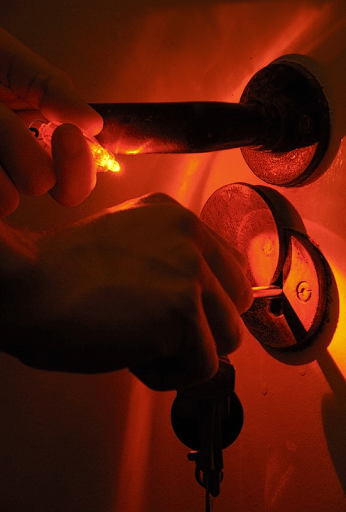
unlock with key

After locking up, most of us feel certain our possessions — and our families — are safe behind guarded doors. We think that, in the unlikely event of our home becoming a target for burglars, the only way inside would be through kicking in a door or window. But only 35% of home invasions show signs of forced entry. How are they getting in? It’s not because they’re criminal masterminds: since 2002, lock bumping has become a popular technique used by burglars to bypass the most commonplace door locks. Read up on this method, and what you can do to prevent lock bumping.

What is lock bumping?

Put simply, lock bumping is when a bump key is used to align the pins in a common cylinder lock. From here, a small amount of pressure is applied on the key, effectively “bumping” it and causing the plug to slide open. Once a way for locksmiths to safely disassemble locks, this knowledge has since made its way into criminal circles, and is now one of the most popular lock picking techniques.
Though not all home locks are vulnerable to bumping, the majority are. Cylinder locks, which have the pin tumbler mechanism mentioned above, are standard in homes across the country. Unfortunately, because they’re so commonplace, criminals are able to easily take advantage of this simple and mass-produced locking mechanism.
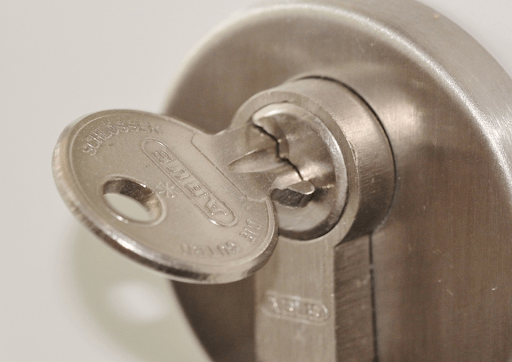
opening lock with key

Should I Be Worried?

When in the wrong hands, bump keys are used to gain illegal entry to a residence — usually with the intention of burglary. While the possibility of your home falling victim to lock bumping may seem far-fetched, this method has been on the rise since 2002, and is so easy to execute a toddler could do it. Let’s look at the facts:

  • Lock bump keys are extremely cheap ($3 on Amazon). This means anyone with an internet connection and a couple spare bucks can become a lock-picker.
  • Lock bumping is incredibly easy to learn, requiring no special skills or strength to execute.
  • On average, bumping a lock takes only 10 seconds, making it a quick and
  • It’s a non-destructive lock-picking method. Since most insurance companies need to see some sign of forced entry to approve claims, this method is particularly worrisome for homeowners.
  • About 90% of US homes have cylinder locks that can be bumped

This last statistic is concerning. As someone who doesn’t spend a lot of time thinking about locks and how they work, how can you tell if you have one of those cylinder locks mentioned earlier? You don’t need an expert’s help for this. If your door locks are relatively old, came with the house or apartment, and require only one key to operate, it’s a safe bet that you have a cylinder lock.

keyhole

How to prevent lock bumping

The first step you can take to prevent lock-bumping is finding a method to safeguard your locks against this technique or taking security measures to make your home less appealing to thieves.

  • High-security locks: The best locks are the ones that can’t be picked. At the moment, there are several bump-resistant locks on the market, most of which come with a UL 437 rating and unique markings near the keyhole. (“UL” stands for “Underwriter Laboratories” which is the most commonly used rating system for mechanical locks in the US). These locks don’t use the tumbler-pin mechanism of cylinder locks, instead using tough-to-pick safety features that protect against picking or excessive force. They’re also patent protected, meaning only one company manufacturers the key and issues it to locksmiths or security companies. When choosing a lock for your home, be sure to ask your locksmith about high-security lock options.
  • Anti-bump lock guards: If you’re on a budget, purchasing a bump-resistant guard may be the way to go. These devices are available on the internet or in hardware stores, and can be easily installed on your door. The most common bump-proof device is the thumb-turn guard, which latches on to the indoor thumb-turn part of your deadbolt, holding the lock firmly in place. However, there are disadvantages to this method since it prevents the door from unlocking on the outside.
  • Keyless deadbolt locks: This is a popular method for homeowners looking for added security. Similar to the last method, keyless deadbolt locks can only be turned from the inside, making for less-convenient entry or exit, but they do have the added benefit of being entirely pick-proof from the outside.
  • Home security system: Though lock-picking is a swift and quiet process, burglars will be less-likely to target your home if your yard is well-lit and clear of any convenient hiding spots. The addition of home security systems and or security cameras can be a great defense as well, deterring potential thieves and alerting you to any outside threats.
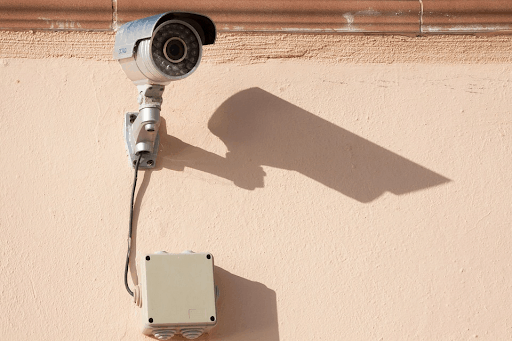
CCTV Security Camera

Get a locksmith’s advice

If you’re unsure of how secure your home really is, consult one of the experts at Pop-A-Lock. We’ll offer commercial security audits where we’ll sweep your property in search of potential security risks and provide advice on how to fortify your home. Just give us a call or check out our website for more information. We’re always happy to help a home in need.
The Rise and Fall of Physical Keys – What You Need to Know

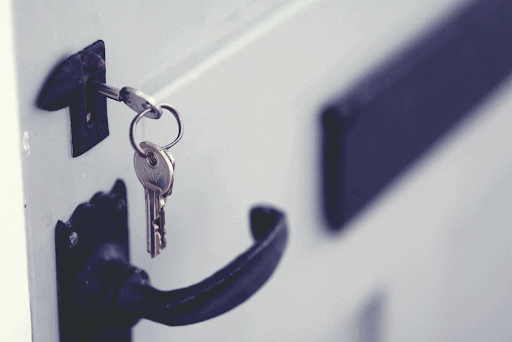
keys in a door

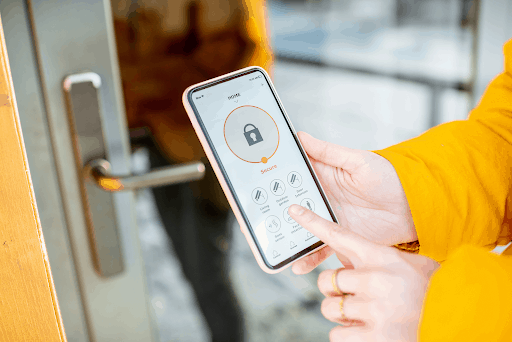
As we welcome in the new year, it’s important to remain open to change and new possibilities. For those of us in the lock industry, this change comes in the form of keyless locks. We’ve long known that keys are pesky objects: they can break, get lost, or are a flat-out pain to locate when you need to get inside in a hurry. The solution? Keyless electronic locks that either require a keypad code or authentication via smartphone app to gain entry. These new, high-tech locks have risen in popularity in recent years, but even though they eliminate many issues associated with traditional key locks, they may not be the best option for your home. Read on to learn more about keyless locks and see if they’re the solution to your security needs.

Are keys dead?

In short, yes and no. Electronic locks are relatively new, and the vast majority of homes and apartments in America are still fitted with traditional “pin and tumbler” or deadbolt locks. You’re far more likely to see electronic locks on cars than residences, but the invention is quickly gaining traction.

As mentioned above, keyless locks were created as a solution to the problems associated with key locks. Rather than relying on a key to turn and release a door’s locking mechanism, today’s most popular electronic locks — keypad locks, smart locks, and biometric locks — are equipped with motors buried within the door itself. The motor is connected to the lock’s bolt or cylinder, activating only when stimulated by an electrical impulse. For keypad locks, this impulse is triggered when the correct code is entered, smart locks activate through a remote sensor, and biometric locks open when an approved fingerprint is scanned.

At this time, however, electronic locks are still in their infancy. Only time will tell if traditional metal keys will endure these innovations.

smartphone lock and key

Advantages and Disadvantages of Keyless Locks

As a home or business owner, you should stay aware of security trends to ensure that your residence is as protected as it could be against outside threats. Part of this awareness is knowing when your current locks are outdated. But even if your locks need to be replaced, keyless locks may not be right for you. Let’s take a look at the pros and cons:

  • Advantages: The good news with electronic locks is that you no longer need to worry about losing your keys! That’s one less thing to keep track of, or possibly break. Additionally, as long as you have a free hand, keyless locks make for easy entry since you need only punch in a code or open an app to unlock your door. Smart locks are particularly convenient if you need to let someone in while away: the majority of app-controlled locks on market allow for remote operation, meaning you can lock and unlock the door from anywhere. As for security, electronic locks offer an array of benefits. For one, they’re nearly pick-proof since the lock won’t turn unless triggered by an electrical impulse. You also don’t risk intruders gaining entry through using a spare key. Traditional “pin and tumbler” locks aren’t nearly as secure: over time, criminals have discovered a fool-proof way to pick these locks using lock bumpers. If break-ins are a frequent problem in your area, electronic locks will offer greater protection overall.
  • Disadvantages: Having an electronic lock doesn’t always guarantee an easy entry. For keyless locks, forgetting your key-code, losing your phone, or weak internet connection as all can prevent the door from unlocking — and you can’t turn to a spare key for help. Power outages create unique issues as well: since the lock is controlled through electrical impulse, a power failure can result in the door remaining locked or unlocked until the power is restored. For either of these lock-out scenarios, it’s worth mentioning that, ironically, some electronic locks have a back-up key lock in case of emergencies. (See the above for all the reasons why this is a problem.) Although electronic locks can’t be easily picked, if your access code or phone falls into the wrong hands, intruders can enter your home damage-free and just as easily as if they found a spare key. With keyless car locks, there have also been instances where the locks were hacked, though it’s still uncertain if this will become a big problem for residential electronic locks as well.

security keypad

Pop-A-Lock Can Handle It

No matter your lock needs, Pop-A-Lock’s expert technicians can take care of the job. We can install electronic or high-security locks quickly, at minimal cost. Just call us to get a free quote! If you’re still undecided on which lock will best suit your home’s needs, give us a call anyway. We’re always free to chat locks and help you choose.

Who at Your Company Should Get a Key?

team meeting

Businesses are composed of myriad moving parts. From daily operations to the maintenance of the office space, it’s impossible to list everything involved in making a company functional. But it takes all parts working in harmony for a business to thrive. Sometimes, helping your company achieve this goal means delegating new responsibilities to stand-out employees, trusting they’ll work in the best interest of the company. And, sometimes, this means handing over the keys.

Why Employees May Need Keys

Though most businesses rely on key-swipe mechanisms during business hours, nearly every office has an entrance that can be unlocked with a key at all times and internal doors with key locks. Regardless of your profession, if you operate out of a physical office space, it’s more than likely you’ll need to entrust a handful of employees with keys to these entrances.

Though the reasons vary, employees typically need keys for one of the following purposes: to gain access to facilities outside normal hours, to open or lock up, or to respond to emergencies.

Often, an employee needs to gain access to business premises outside the hours of operation, whether to fulfill their responsibilities or to complete a special project that demands working odd-hours. For these reasons, they may require a key to enter the building and lock up, and keys to access any internal offices they need to use. While these employees might also be tasked with locking up behind them, other employees are typically assigned the responsibility of opening and closing the office, which requires company keys as well. Finally, there might be certain employees who should be given keys for the sole purpose of entering the building in case of an emergency. These individuals are either equipped with the skills and expertise necessary for handling a break-in or other crisis, or they’ve proven to care enough they would be willing to help professional responders.

In any case, being in possession of company keys is a major responsibility and due to the risks involved, keys should only be handed out if it’s absolutely necessary for business operations.

hallway

Who to Trust

When your business depends on everything happening as it should, you can’t trust just any employee with the company keys. Even if some operations require someone using business keys, it’s imperative you fill this role with someone you can rely on and, for special situations where an employee might benefit from 24/7 access to company resources, it’s important to consider their character first as well.

  • For one, it’s of the utmost importance that all company key-holders demonstrate integrity in all their work and professional relationships. You need to be certain these people would never abuse their privileges, or use the key for any non-work related purposes.
  • In addition to being trustworthy, these people must also prove they’re responsible, reliable, and can listen to instruction. These employees are thorough and organized in their work, and make improvements when needed. If trusted with a company key, you could be sure they wouldn’t lose it or forget to complete the tasks they’re supposed to complete.
  • When choosing an employee, you may also want to consider their leadership skills. If an employee is using a company key, it’s almost certain they’re at the office at an odd-hour, with few other people. For this reason, it helps to choose someone who knows how to act in case of an emergency, and would be willing to report any suspicious activity.

teamwork

We’ll Take it From Here

As a business leader, you’re free to trust any employee with the company keys, but we think it would be ill-advised to leave your security maintenance in the hands of anyone other than Pop-A-Lock. We’ll help you locate potential weak-spots through our business security audits, and ensure you have full control over who can enter or exit your facilities with our business lock installation and rekeying services. Whatever your needs, we’re determined to make your business even stronger. Browse our website for more information, or give us a call to get a free quote today!

How A Key Gets Stuck In The Ignition and What This Means for You

Stressed woman driver sitting inside her car

Cars are our main mode of transportation, which makes it that much more stressful when something is wrong with our precious vehicles. This is particularly true when you run into a problem, such as your key getting stuck in the ignition, and don’t know who to call, let alone how to fix it yourself.

key stress phone call

Turn Your Car Off Properly

Oftentimes, especially when you’re in a hurry, it’s very easy to miss crucial steps to turn your car off. Many automatic transmission vehicles come with a safety feature that prevents the driver from removing the key from the ignition when the car is not in park or neutral. Before trying anything else, make sure to check that your shifter is in one of these two positions.

Another reason your key might be stuck in the ignition is because you did not properly turn the car itself off. In order to turn the vehicle off, the key must be turned all the way into the lock position (in most cars, this means all the way down). If your key is not coming out of the ignition, try turning the car on again and turning it off properly before attempting to forcefully yank the key out.

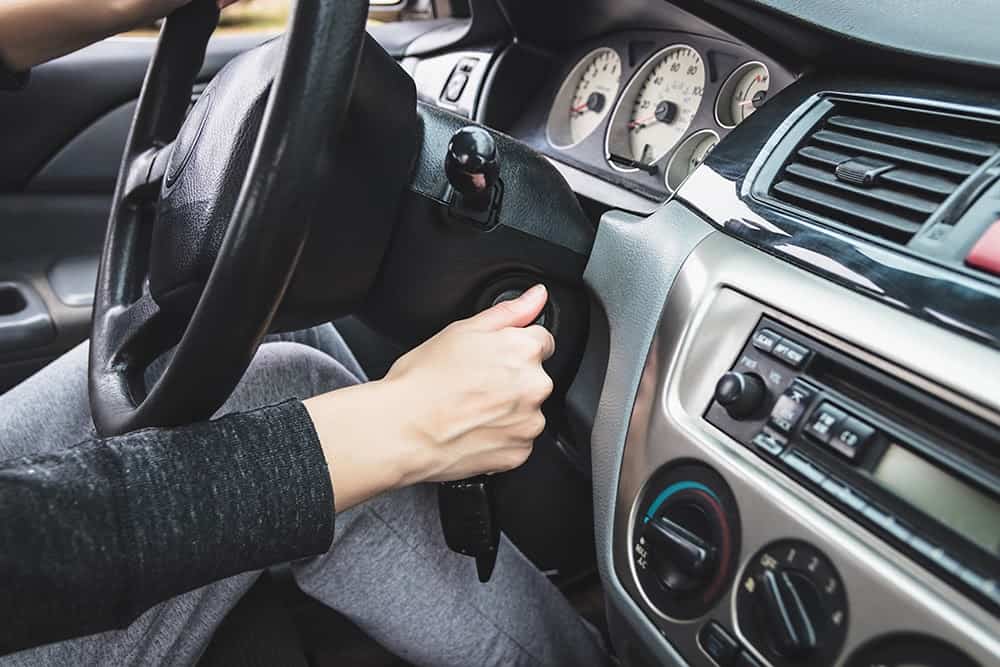
The girl starts the car by inserting the ignition key into the lock.

Keyhole Obstructions

Once you have ascertained that your car is in the proper gear, it’s time to move onto the next reason why your key may be stuck: dirt, dust, or other particles blocking your key from being removed from the keyhole. It is very possible that debris has gotten into the keyhole, but it is not something to worry about. To get your key out, you have 3 options:

  • Spray WD40 into the keyhole to loosen up the dirt that may be obstructing the hole.
  • Gently wiggle the key back and forth, which should also loosen up any debris that may be blocking the keyway.
  • Call a locksmith for professional help if neither of the above options are possible or working.

cleaning your dashboard

Steering Wheel Locked

If your key is stuck in the ignition and you find that your car’s steering wheel is also locked in place, it is possible that you have inserted the wrong key. Locking the steering wheel is a safety feature on most vehicles that is present in case the incorrect key is inserted. Fixing this is the simple process of turning the steering wheel slowly to the left and then to the right while applying slight pressure to the key. Once you have enough pressure, you should be able to unlock the steering wheel and remove the key from the slot.

A Broken Key

The worst case scenario in a situation like this is that your key has broken, causing it to be stuck in the ignition. This may happen more often with duplicate keys, as they are weaker than the originals. You have two options when it comes to a broken key:

  • Use a key extractor tool and attempt to remove the piece of broken key that is stuck in the keyway. If this tool is not available to you in the moment, or if this solution is not working, your best option is to:
  • Call a locksmith. Having an experienced, professional set of hands on the job will be the best bet for you if the key breaks off inside the ignition.

Additionally, it is always important to pay attention to the general state of your car key before putting it into the ignition. If the key already looks damaged, prone to damage, or is flimsy in any way, it has a higher chance of breaking off inside of the ignition.

A Dead Car Battery

A final reason why you may not be able to remove the key from the ignition is a dead car battery. The fix for this is fairly simple: to check if your battery is in fact dead, try turning on your headlights or turn signals. If these are not working, your car battery is most likely dead. Once you have ascertained that this is the case, simply jump-starting your car will allow you to remove the key from the ignition keyway.

Conclusion

Though having a key lodged in the ignition is not an ideal situation, it is important to remember that there is always someone or something out there that can help you. Whether it be a friend jump-starting your car for you, a key extractor tool, or WD40, you will find a way out of this situation. And if you find yourself needing extra help, Pop-A-Lock’s trusted, certified locksmiths are here for you and ready to do so.

What Is A Certified Locksmith? How Do You Obtain A Locksmith Certification?

Locksmith Certification: What It Is And Why You Should Care

Consumers are constantly overwhelmed by the amount of choices they’re presented for any given good or service – and they aren’t all of equal quality. Locksmithing isn’t any different. If a potential customer is doing a Google search for a locksmith nearby, they are likely hit with a slew of results between Google My Business, Google Local Services, Google Ads and organic search results. Add to that the fact that they’re likely stressed if they’re in a lockout situation – how do they know who to choose for help?

There are many factors for customers to consider when looking for  a locksmith. Finding a credible locksmith should always be at the top of this list, as scammers posing as legitimate locksmiths are commonly found in online results. A great way to filter through search results  is to look for certifications, or a membership with the Associated Locksmiths of America (AOLA). Gaining specific certifications and backing from the AOLA helps professionals build credibility, and helps customers to know  that a business is legitimate.

Different Kinds of Locksmith Certifications

*Disclaimer: Certifications and licensing are NOT required for locksmiths in every state. So before you spend a lot of time trying to find a licensed locksmith in your area, first do a quick search to check if you live in a licensing state or not.

If you’re not in a licensing state, you can still look for signs of legitimacy on a locksmith’s websites. These would include things like branded trucks and uniforms, association with ALOA, a company name said when you call for service, and more.

If you state does require locksmiths to be licensed, here’s some things to know:

There are a variety of different locksmith certifications. Each one indicates a specific level of training and expertise, ensuring that customers have a trusted professional working with them. Below is a list of basic certifications a locksmith can acquire, along with what the certification entails:

  • Registered Locksmith (RL): The certification of RL indicates an individual is an active locksmith that has completed  12 classes (eight hours each) with the ALOA Continuing Education (ACE) program. Registered locksmiths can also gain certification through attending a ALOA Five or Six-Day Basic Locksmithing course, then passing the exam at the end of the course.


  • Certified Registered Locksmith (CRL): Certified Registered Locksmiths have completed the training to become an RL, but have also passed  the ten mandatory categories listed by AOLA. Additionally, CRLs have completed training in two specialized AOLA electives of their choice.
  • Certified Professional Locksmith (CPL): Certified Professional Locksmiths have gained the status of CRL, but have completed training in an additional twelve elective categories. These locksmiths have advanced knowledge of specialized areas in the field.
  • Certified Master Locksmith (CML): Certified Master Locksmiths hold the highest certification in the field. CML status indicates the individual has earned all previous certifications, and has demonstrated proficiency in 90% of the available categories of the Proficiency Registration Program created by the ALOA. These locksmiths have advanced knowledge of almost every area of locksmithing and of electronic security.


When a locksmith gains any – or all – of these certifications, their credibility is boosted. Certifications indicate the locksmith has taken the time to educate themselves on a wide range of locksmithing tactics, and will be able to find the best solution for your specific situation.

Certified Pop-A-Lock Locksmith

Find a Certified Locksmith Through Pop-A-Lock

Pop-A-Lock is proud to support professional development throughout the Pop-A-Lock organization by providing the highest quality training in conjunction with the Associated Locksmiths of America. All of our locksmiths are encouraged and supported to participate in the internationally recognized certification program produced by ALOA.

As outlined above, the certification process requires the applicant to undergo a series of difficult testing covering the range of Automotive, Commercial, Residential and Industrial locksmith and safe categories. There is a strong emphasis on Life Safety throughout the Certification process in addition to ongoing updates for relevance to the industry.

Pop-A-Lock also provides support to the industry at-large by providing instructors for various ALOA education classes conducted throughout the year as well as providing an instructor for the ALOA ACE certified instructor course.

If your local Pop-A-Lock is located in a state that doesn’t require licensing, you can still trust Pop-A-Lock! We pride ourselves on providing only the best service to our customers. Even in states without legal requirements, Pop-A-Lock locksmiths go through appropriate training to ensure they can provide you with the best, safest and most efficient services.

Contact Pop-A-Lock Today!

By contacting Pop-A-Lock, you can rest easy knowing you will receive help from a highly trained technician. Pop-A-Lock is proud to retain one of the largest collections of ALOA certified professionals in the world, as evidenced by the results of over 2 decades of training and testing across North America!

Our locksmithing professionals are friendly, knowledgeable, and ready to help find a solution for your unique needs. Contact us today by calling  (800) POP-A-LOCK or visit our site for a quote today!

I Think I Was The Victim Of A Locksmith Scam, What Do I Do Now?

Unfortunately, locksmith scams are an all-too-common occurrence throughout the United States. After being locked out of their home or car, an unsuspecting person will search for local locksmiths online, hoping to get back in quickly and cheaply. However, most do not realize that locksmith scammers hide in online results for companies that don’t exist. They make their websites look legitimate, providing a phone number and fake address. The “locksmith” often arrives late, and will bill you hundreds of dollars more than they estimated after breaking the lock on your door.

If this circumstance has happened to you, do not feel ashamed! These scammers are prevalent throughout the industry, and this unfortunate occurrence happens to hundreds of people every year.  Below we have listed some tell-tale signs that your “locksmith” is a scammer, along with what action to take if you find yourself a victim of a locksmith scam.

Signs Of A Locksmith Scam

  • Estimated cost is too low: Scammers will often advertise a very low price, in order to lure you away from legitimate locksmiths. They may claim online or over the phone that the job will cost between $15-35, only to bombard you with questionable service fees after they finish the job.  Do not be fooled by low prices, as any credible locksmith will charge around $100 for a lockout.
  • No full estimate upfront: Be sure to ask for a written estimate before the work is completed, with all additional fees included. Scammers often bill hundreds of dollars in additional charges, claiming the added fees are because you called during “emergency hours” or there are “mileage charges, minimums, service fees” etc. If they refuse to give you a written estimate, or if the estimate is way too high, they may be attempting to scam you.
  • No marked vehicle or uniform: Legitimate locksmiths will usually arrive in a company marked vehicle and uniform, in a timely manner. Be wary of any “locksmith” who arrives late and/or without a uniform or marked vehicle. Ask for the locksmith’s identification upon arrival, as scammers will usually refuse to show you any form of ID and become hostile when you ask for credentials. Scammers also may have an answering service that only refers to the company as “locksmith service” or “locksmith company,” so be sure to ask for a specific name when you call.
  • Accepts only cash: If the locksmith tells you they only accept cash or debit, they may be a scammer. Credit cards are avoided by scammers because they are easier to trace. Any reputable locksmith will be able to take credit, debit or cash payment from customers.
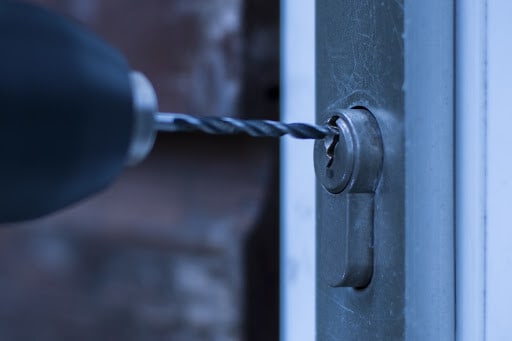
  • “Have” to drill your lock: A HUGE sign that a locksmith is a scammer is that they claim they “have to” drill your lock.  They may claim it’s a high security lock, when it’s not,  or that your lock is too new. There are a variety of other “explanations” they may use to justify drilling the lock. However, as a general rule of thumb, do NOT let anyone drill your lock. Certified, reputable locksmiths have the tools and expertise to pick almost any lock. Scammers will leave you with a broken lock, and a bill for hundreds of dollars.
  • No receipt after you pay: Always ask for a receipt after you pay a locksmith. Reputable locksmiths should have no problem giving you an itemized receipt after the work is complete. The receipt will likely  have the company letterhead, logo, or contact information, along with a list of each of the charges. A good locksmith will explain each of the charges ahead of time, and will provide information for you to contact the company after the job.


What To Do If You’ve Been Scammed

Unfortunately, these scammers are good at what they do, and odds are, if you’ve already provided payment you will not be able to get your money back. However, if you feel that you’ve been the victim of a scam, there are some steps you can take:


  • Call the state’s attorney general’s office: Report the locksmith to your state’s Attorney General’s office immediately. They will investigate the “locksmith” company and take action if they feel appropriate.


  • Call a reputable locksmith: If a scammer has tampered with your locks, you may need to have them rekeyed for your safety. Reputable locksmiths, such as Pop-A-Lock, will also be able to fix the damage done by the scammer, and replace the broken lock.

Trusted Locksmiths at Pop-A-Lock

When you call a locksmith, make sure they are qualified by being a member of the Associated Locksmiths of America (ALOA). This organization vets locksmiths, and ensures you can trust the expertise and knowledge of the technician dispatched to you. Established organizations such as Pop-A-Lock have technicians that are certified, qualified and ready to help you with your locksmithing needs. Pop-A-Lock employees will always arrive in a marked vehicle and uniform, and will be ready to discuss all charges transparently with you upfront. We have the tools to pick almost any lock without damage, and are always ready to help our valued customers.

Contact Pop-A-Lock Today!

Locked out of your home or car? Contact Pop-A-Lock today! We provide a 24/7 emergency lockout services, and provide free service to caregivers who have accidentally locked their child inside their car through our PAL Saves Kids program.

Founded in Lafayette, Louisiana, Pop-A-Lock has quickly become the largest professional locksmithing franchise in the United States. All of our technicians are certified, experienced, and ready to help you find the best solution for your individual needs.  You can call (800) POP-A-LOCK or contact us online for a quote today!

Does Picking A Lock Damage The Lock?

Being locked out of your home or car is a stressful experience, even on the best of days. And it always seems to happen at the most inconvenient time – when you’re in a rush, or have groceries in the car that need to get to a fridge ASAP, etc.

The best way to get back in quickly and safely is to call a locksmith professional. However, many people are wary of this as they’re afraid the locksmith will damage their lock in the picking process, costing them more money in the end. And, unfortunately, if you aren’t using a reputable locksmith, this can happen.

However, any professional, trustworthy locksmith will know how to pick your lock and get you back into your home or car without damaging the lock. You may wonder, how do credible locksmiths pick locks safely and efficiently to help you gain access to your home?

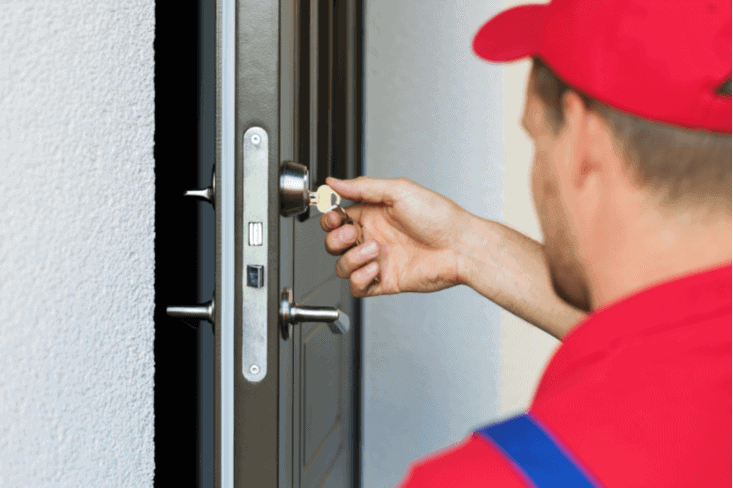
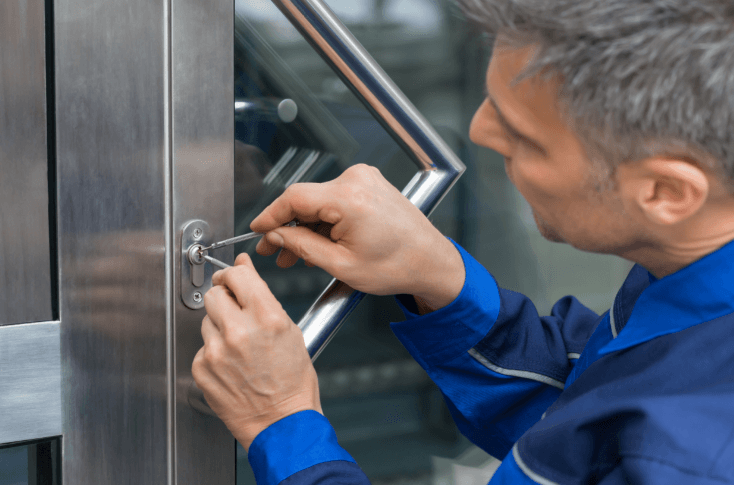
locksmith technician picking a door lock

How Do Locksmiths Pick Locks?

First and foremost, it’s important to know that when it comes to picking a lock, any credible, professional locksmiths will only use drills as a last resort. Locksmiths at established organizations, such as Pop-A-Lock, have the training and expertise to help you get back into your home or car quickly and efficiently, without drilling your lock. They carry tools specifically designed to work on almost any lock without causing damage. Upon arrival to your home, a credible locksmith will evaluate all locks on external doors to determine which lock will be the easiest to “pick,” and choose this location to work on. After using their tools, a qualified locksmith should be able to get you back inside without damage. Be wary of any locksmith who immediately pulls out the drill, especially without evaluating all of the options to get back inside.

The Importance Of Choosing A Reputable Locksmith

Although you may be tempted, stay away from any “DIY” lock picking methods online that claim to save you money and time. These methods will cause damage to the lock, or destroy the lock entirely. Taking the DIY route will lead to spending more money and time in the end, as you have to hire a professional to install new locks. Common DIY lock picking methods include:

  • Pushing items into the keyhole such as hair pins, bobby pins or paper clips
  • Using Credit Cards or items with a hard plastic corner
  • Creating a “lock picking” set from household items
  • Using a drill on the lock or doorknob structure
  • Using sharp items such as knives
  • Using soda cans or plastic bottles

How To Find A Credible Locksmith

Only professional technicians can truly pick locks without causing damage. When searching online for locksmiths, be wary of scams and local listings with prices that seem too low. A credible locksmith will have an established website, phone number, and will charge around $100 for a lockout. They should arrive in a marked vehicle and uniform, and will be happy to explain all charges upfront after evaluating your personal circumstances.

In addition to Google/Bing, you can use one of the  three of the most vetted associations/membership groups for locksmiths in North America to find a professional:

  • Findalocksmith.com
  • Keypro.com
  • popalock.com

How Pop-A-Lock Can Help

When it comes to home or car lockouts, the professionals at Pop-A-Lock can help you get back in quickly and efficiently. We offer a 24/7 lockout service (at participating locations), and will always be transparent with our clients. We will discuss all options with you, and provide a solution that will best suit your needs. Our technicians have the tools and expertise to get you back inside, with little to no damage caused to your locks.

Contact Pop-A-Lock Today!

Created in 1991 by law enforcement agents in Lafayette, Louisiana, Pop-A-Lock has grown to become the largest professional locksmithing franchise in the country! We provide extensive training to all of our technicians, ensuring you receive the highest quality service possible every time.  You can call (800) POP-A-LOCK or contact us online to receive a quote today!

What Are High Security Locks And Keys?

When it comes to home security, it’s always better to be safe than sorry. As a homeowner, you may desire a higher sense of security for your residence than traditional locks or deadbolts can provide. You may have previously experienced a home invasion, or have chosen to keep valuables stored within the property. Maybe you live in a neighborhood with a higher crime rate, or you simply want more peace of mind that you and your family are safe. Whatever your reason, if you’re looking to increase your home’s security, consider installing a system with high security keys and locks. These systems provide better security than a traditional lock and key, and are a great option to discuss with your locksmith.

What Are High Security Locks?

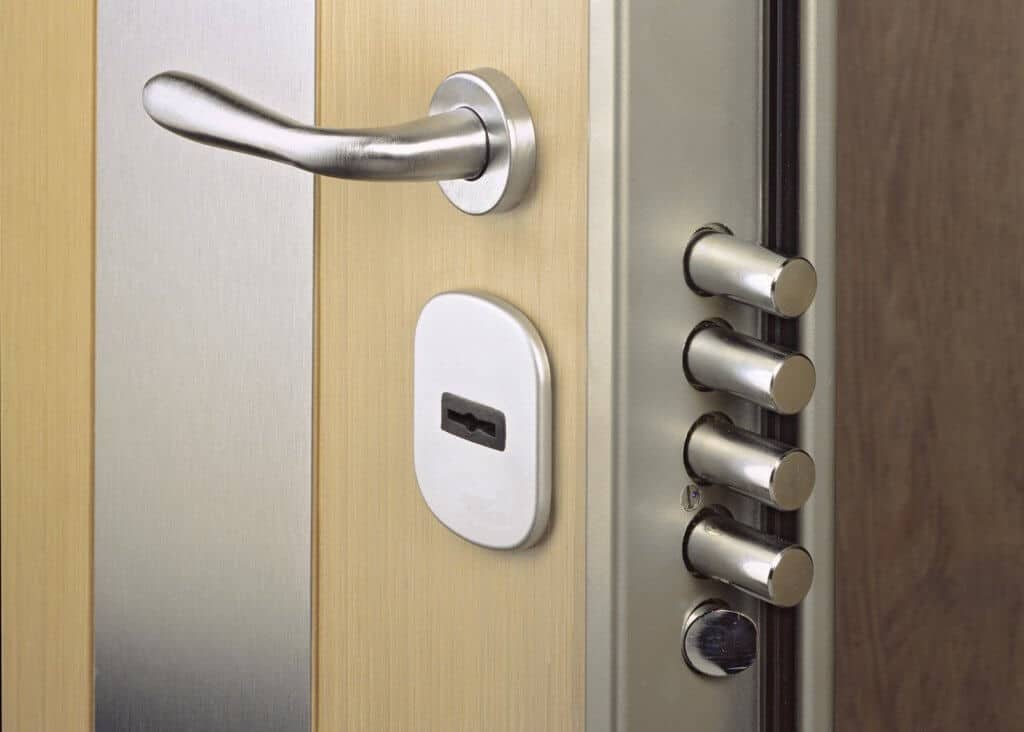
High security locks are specifically designed to provide better protection for those that install them. These locks are often equipped with reinforcement such as rods and plates, deterring criminals as they quickly realize they cannot gain entry into the property through their typical methods of picking or drilling.

High security locks may also contain a more complicated pin system, meaning the hardware is designed so only high security keys can unlock them. These locks use different technology to secure the cylinder, and are very effective at maximizing your home’s security. Though high security locks can be implemented in most existing lock hardware systems, be sure to discuss with your locksmith the best method to add these locks to your system.

Finally, high security lock systems are typically equipped with reinforced plates on the door frame. These plates make it much harder for someone to kick your door in or break the door frame. Through all of these components, high security lock and key systems make your home very hard to break into, adding an undesirable amount of noise and time spent outside to those with criminal intentions. These individuals often aim to enter a home as quickly and quietly as possible, looking to minimize the risk of being caught.

What Are High Security Keys?

When it comes to implementing a high security system, the most important component is the installation of a more complex lock. However, along with the new lock, your locksmith can make you a set of high security restricted keys. These keys are much harder to get copied, as only one locksmith in your area can make copies. The blanks used to make these keys are restricted to only one locksmith per area, and most of these locksmiths have a process for ensuring only authorized people can get copies. The locksmith may track the amount of keys that have been made, keep a formal record of authorized individuals, or require ID upon asking to copy.

Additional Security Measures to consider

It’s important to note that while adding a high security key and lock system to your home will contribute to better overall security, the system is not as effective without implementing other safety measures on your property. Make sure you address other potential security weaknesses in your home such as:

  • Entryways: Make sure all entrances to your home are well-lit. Keeping your outdoor lights on at night deters criminals as neighbors or anyone passing by can see that someone is trying to break in.
  • Landscaping: It’s best to avoid shrubbery that obscures windows. If you do have trees or bushes that block first floor windows, make sure to keep the branches trimmed down. These are often hiding places for people attempting to break in.
  • Invest in a Home Security System: If you are concerned about your home’s security, consider investing in a security system. Openly display that you do have a system, placing signs outside the property or a sticker on windows. These practices significantly decrease attempts to break in.

Need Help With Your Home’s Security? Call Pop-A-Lock Today!

When you are looking to install a high security key and lock system, it’s always best to have an expert take care of the job. Trying to do it yourself may damage the lock, as these systems are often very complicated and take the expertise of a certified and trained locksmith. Pop-A-Lock can help with installation and creation of your high security keys, giving you peace of mind that the job was done right.

Along with installing your high security key and lock system, Pop-A-Lock can help advise you on the best practices to keep your home safe. Founded in Lafayette, Louisiana, Pop-A-Lock has quickly become the largest professional locksmithing franchise in the United States. All of our technicians are certified, experienced, and ready to help you find the best security solution for your individual needs. You can call (800) POP-A-LOCK or contact us online to discuss your lock questions. Curious about the efficiency of your home’s current security? Download our free home security audit today.

Six Tips To Increase The Security of Your Rental Property (Apartments, Condos, Etc.)

Everyone wants to feel safe when staying as a guest at a rental property, whether you are checking into an AirBnB, VRBO property, or a privately-rented home, apartment, or condo.

If you are the owner of a rental property, you want your tenants to feel safe as well. There are many ways to increase the security of a rental property and ensure that your guests have a safe, enjoyable stay.

Below are six tips for deterring criminals and securing your rental property.

  1.     Secure the Main Entrance

If legal in your area, installing a double-cylinder deadbolt is recommended as it’s an upgrade from the usual single-cylinder deadbolt on many doors. If your main entrance is close to a window, a double-cylinder deadbolt can help prevent a thief from reaching through your window and opening the door. Installing a solid wood or metal door can also improve security, while door jammers provide additional protection.

  1.     Hire a Property Manager

If you have a busy schedule or live far away and are unable to visit the property often, you may want to consider hiring a property manager. A property manager can help screen tenants, maintain the property, collect the rent, and perform an array of tasks associated with renting out a property. Having someone monitor the premises regularly would also help deter potential burglars, and will allow for routine inspections of the security features that you put in place.


  1.     Install a Security System

Installing a security system is one of the most active and effective security measures you can implement. Many modern security systems can be integrated with your smart lock for extra protection and convenience. Making things even more convenient, many systems can be remotely accessible through an app on a smartphone. There are a variety of security systems out there, so look for the one that best fits your needs and your budget. Make sure the one you choose has everything you need, such as door and window sensors and motion-detecting lights. If you’re not willing to spend the money on a sophisticated security system for a rental property, you can always potentially deter intruders by posting “Security Cameras in Use” decals around the property.

  1.     Add Lighting

Lighting is one of the easiest ways to deter burglars. Having proper lighting indoors and outdoors can make your rental property more secure. With indoor lights, make sure all hallways and stairwells are well lit. These lights need to always be on. For outdoor lights, make sure there is lighting in front and back of the property. You can either keep the lights on or make them motion activated, or a mix of both.


  1.     Secure Windows

Because criminals don’t always enter a property through a door, you should make sure all windows are secure as well. All windows should have working locks; it is critical that all the locks work so an intruder can’t enter through the fire escape. You could install window sensors that will sound an alarm if the window is tampered with. You may even want to consider installing security bars to windows on the first floor.


  1.   Keep Blinds and Curtains Down 

In addition to comprising your tenants’ privacy, curtains and blinds that are always open give potential criminals a view of the valuables contained inside. Keep the blinds and curtains down during a non-lease period, and when you have tenants, recommend that they do the same. When burglars can’t see through the windows, they don’t know whether anyone’s home, especially between 10 a.m. and 3 p.m., which is when most burglaries occur.

Call Pop-A-Lock for Help Securing Your Rental Home

Following these six tips should significantly increase the security of your rental home. If you’re interested in upgrading your security system or implementing additional features, contact a security specialist at Pop-A-Lock today. Want to identify threats to your guests’ security and safety right away? Download our FREE Home Security Audit packet online here and find out how to evaluate your rental property from a security-focused perspective.

The Dangers of Proximity Keys and Push to Start Cars

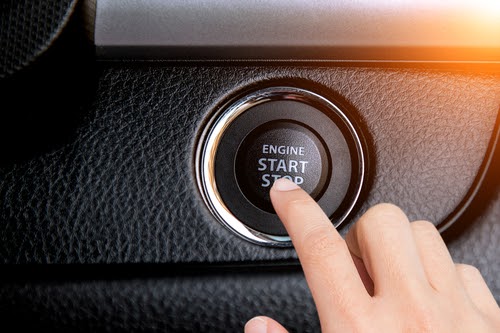
The remote proximity key – also known as “keyless entry” – allows you to open your vehicle and start it without touching the electronic key fob, a small device that transmits a code to a computer in the car when in close range. In vehicles with keyless, push-button ignition, the fob is recognized by the vehicle to authorize its operation. The fob can stay in the driver’s pocket or purse, as the ignition switch is a button on the dash. This increasingly common technology has become a part of everyday cars, not just luxury models as it once was. Some car manufacturers even have smartphone apps, whose functions include remote starting.

While keyless entry and push-button ignition technology is convenient, it is not without dangers. In fact, a recent New York Times report found proximity keys could be partially responsible for dozens of fatalities in the United States. The article tells the story of a Florida man who drove his SUV into his home garage and entered his house with the key fob, believing that the car was turned off. About 30 hours later, the man was found dead, having been killed by the carbon monoxide that engulfed his home while he was asleep. According to the Times, the man was among at least 25 people who were killed by carbon monoxide in the  United States since 2006, after a keyless-ignition vehicle was accidentally left running in a garage.


Safety watchdog groups have documented instances of drivers pushing the button to stop the engine before putting the vehicle in park, allowing their vehicle to roll away. Many car systems emit warnings or even shut down after the driver exits the car, and the fob is detected leaving with them. You could leave the fob in the car’s cup holder, for example, then after you exit, the vehicle doesn’t know to turn off.


Hybrid cars pose problems as well. They are very quiet when in electric mode – which they are often in when sitting still after parking. A driver can assume the car is shut down because the engine isn’t running. However, the vehicle may not be truly off. The engine could restart itself, to adjust the climate control, for instance, and therefore send carbon monoxide into the home. Make sure that whenever you enter your home, any car parked in the garage is shut off. Being extra careful about this can prevent a tragedy.

Allow the Experts to Duplicate or Replace Your Fob or Key

If you need a new key or fob for your vehicle, you need a highly skilled and trained professional to ensure it will start your vehicle. At Pop-A-Lock, our key replacement services are affordable and reliable. We can get the job done much quicker – and cheaper – than the dealership. Call Pop-A-Lock today for help with:


  • transponder keys
  • fobs
  • keyless remotes
  • dealer chip keys programmed on-site
  • remotes programmed
  • electronic keys
  • key replacements
  • VATS keys


We are available 24/7 to meet your automobile key needs. Pop-A-Lock technicians can create the key you need on the spot. Our technicians are trained to program transponder, VAT, and smart keys for any vehicle. Our work is of the highest quality – guaranteed!

Call Us 614-424-6736