614-424-6736

Traits of a Great Locksmith: Why Our Locksmiths Are the Best

Choosing the right locksmith can be scary, especially if you are locked out of your car in an empty parking lot. Some companies do not prioritize timeliness, others may hire individuals who are not suitable for a locksmithing career. At Pop-A-Lock, we take great care in hiring the most qualified candidates for the job. If you want to know what to look for when choosing a locksmith, look out for these top traits of a great locksmith.

A person’s hands pressed against the outside of a car window. No one is inside the car, but the lights are on.

Friendly & Welcoming

If you’re calling a locksmith, odds are you are already feeling on edge. You want a locksmith who is sociable and easygoing. Someone with a contagious smile that makes people feel at ease. Locksmiths work with many different people, and it is not uncommon for customers to be in high emotional states as they deal with the stress of a lockout. Losing access to a home, business, or car causes anxiety in most people so it’s important for a locksmith to approach the situation in a calm and friendly manner.

Patience

Not only is it important for a locksmith to be patient when interacting with customers, but also as they gain entry to your locked home, business, or car. Locks have very specific parts and it takes time and patience to properly pick a lock without damaging the internal mechanisms. Some locks even have anti-tampering properties to prevent break-ins which can require even more attention to detail. Choosing a locksmith that has the patienceto do things the right way the first time around will save you a headache in the future.
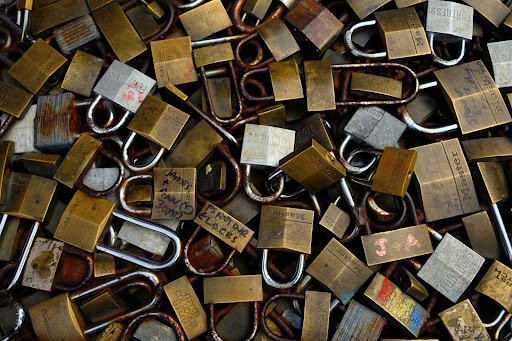
A large pile of padlocks in different shapes and sizes with names or other markings on some of them.

Experience

It goes without saying that when you call a locksmith, you want to be certain they have experience in their field. The longer they’ve been in the business, the more trustworthy they are. As locks are made for the sole purpose of keeping unwanted visitors out, it takes an experienced locksmith to counteract the locking mechanisms. Even if you’re not dealing with a lockout, you want to feel confident that your locksmith can install new locks and duplicate keys with pristine accuracy.

Quick Response Time

A locksmith’s main mission is to keep you safe so you want to choose a company that quickly dispatches technicians to your location. At Pop-A-Lock, we will always send a professional locksmith your way as soon as possible. We even have a program to keep children safe in vehicles. The program, PALSavesKids, provides lockout services free of charge to rescue children who are locked inside a vehicle.

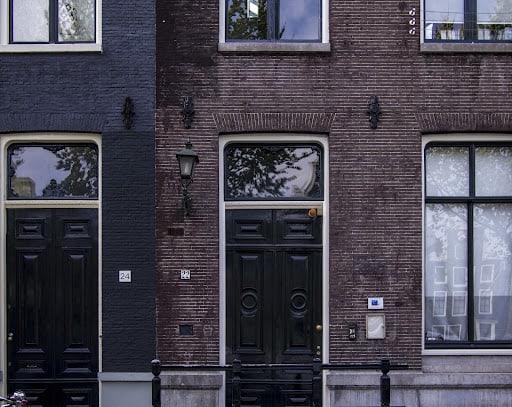
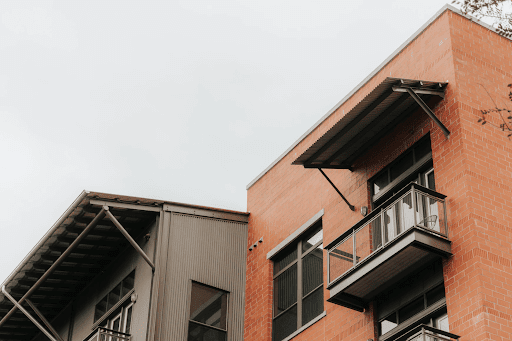
Two apartment buildings that are brick and steel with small porches on an overcast day.

Can Perform a Range of Services

There are two main benefits to choosing a locksmith with a range of services. First, if a locksmith works with residential, commercial, and automotive locks, they will be familiar with a variety of kinds of locks and therefore more experienced at problem solving. Additionally, when you find a professional and trustworthy locksmithing company, you’ll want to keep using that company. Pop-A-Lock provides every locksmithing service you may need – from lock installation and rekeying, to duplicating keys, to ignition repair. We want to form life-long relationships with our customers which is why we do everything we can to give you unbeatable customer service. 

Strong Moral Compass

The most important trait a locksmith should have is trustworthiness. If you are giving someone access to your home, business, or vehicle, you want to be assured that they are honest, ethical, and treat you and your property with respect. At Pop-A-Lock, we only hire individuals with discipline and a strong work ethic.

Why Choose Pop-A-Lock?

When it comes down to it, there is no single trait of a great locksmith. Rather, it is the combination of several important personality traits that makes an individual an excellent locksmith. Becoming a locksmith requires a strong work ethic, patience, and above all, empathy. Having a passion for helping others is at the very core of being a locksmith, and at the core of our company values. Your safety is our number one priority which is why we only hire highly qualified, friendly, and caring professionals. Whether you need help getting into your home, need to duplicate a car key, or want to install new locks for your office space, your local Pop-A-Lock is here to help!
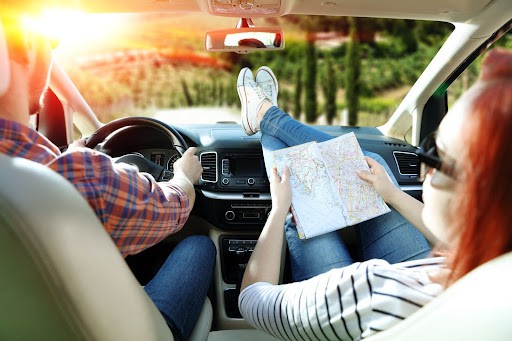
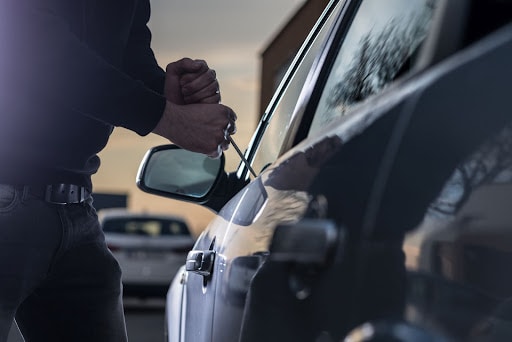
Road Safety: 6 Car Security Tips for a Road Trip

Summertime is here and you’re packing up the car to head out on a road trip. Maybe it’s the beach or the mountains, or simply to see some friends and family – regardless, you want to consider your car’s security.  You can spend time creating the perfect itinerary, even curating the best playlist for your ride to guarantee a fun-filled road trip, but none of that will matter if you neglect ensuring your belongings and car are safe on the journey.

1. Keep Items Stored Securely.

The general rule of thumb about not leaving valuables visible in your car still applies to road trips – it is even more important to follow that rule while traveling. There are absolutely going to be moments along the journey where you will have to leave something of value in your car, but luckily we have created a guide showing you the best places to hide belongings in your car while away.  

2. Make a Plan – For Fun and For Security.

You’ll enjoy traveling more if you have a solid plan in place. It’s fun to plan your adventures and create a list of things to do along the way or for whenever you reach your destination, but creating a travel plan is equally important. Knowing where gas stations are along your route or the best town for sleeping along the way are all things you can do to maintain safe travels.

If you take the extra time beforehand to prepare your route, you’ll guarantee that you stay overnight in safe towns, which further protects you and your belongings. The same goes for planning ways to prevent a vehicle break-in. We recommend reading through one of our recent blogs to give you great advice on how to minimize your chances at having your car broken into.

3. Have an Emergency Kit Ready.

It can be a few key items or a whole entire emergency kit, but regardless you will be glad you had some supplies whenever you find yourself needing it. Here are a list of things you’ll want to include in your emergency kit:

  • Spare tire (bonus if it is properly inflated)
  • Jumper cables
  • Multipurpose utility tool
  • First aid kit
  • Fire extinguisher
  • Nonperishable foods 

4. Stay Alert At All Times.

Staying alert on the road looks like constantly scanning for road hazards, making sure you are staying well rested, and not getting distracted. The best way to maintain your car’s safety is to be a safe driver and practice being aware and alert anytime you are behind the wheel. Do not hesitate to pull over to take a call or ask someone in the car with you to drive for a while so that you can have a break.

5. Check the Weather Before You Leave.

Making sure you’re prepared for all types of weather before a road trip is essential for many reasons. If you are planning a trip in the winter or to a mountainous destination, certain precautions must be considered. Your car may need tire chains or new tires, or you may find that you have never driven in these conditions and feel unconfident. Also, if your journey takes you through unfavorable weather it would be wisest to check your windshield wipers and the tread level on your tires to ensure they can handle those conditions.

6. Ensure Your Car’s Parts Can Handle the Journey. 

This point ties into the weather related tip, but it includes much more. It’s best practice to look over the date your car last received an oil change. If it is due soon, it would be best to take care of that before your trip. The same rule applies for tires and batteries. You will thank yourself for checking these things before your trip versus if they became issues while you were on your road trip.

Extra Tip: Know That Pop-A-Lock is Always Here to Help.

Our top priority is always your safety and security. With locations all across the country, we are one call away from helping you unlock your car, prepare extra sets of keys before a trip, and even provide roadside assistance. Visit our website to find a location nearby and to browse the services we offer.

Why Your Sliding Doors Require Routine Maintenance (And How to Care for Them)

What if the difference between a confrontation with an intruder and a safe, restful night of sleep was something as simple as cleaning debris from your sliding door? Or if the difference between losing your dog in traffic and getting out of the door in time to catch her was simply reinstalling your sliding doors properly? 

If your sliding  door is left without maintenance, it is liable to  get caught on a faulty track or built up debris  without you even realizing it. That could mean someone mistakenly leaving it open  just enough to catch a burglar’s attention, or getting it stuck closed to prevent you from getting out in time for any event you wouldn’t want to miss—whether that’s catching an escaped pet or witnessing a shooting star. 

It’s easy to overlook the little things as we get caught up in the hustle and bustle of our busy worker bee lives. That’s why we want to make sure you keep your home safe by letting you in on some basic precautionary steps you can take immediately.

How Your Sliding Doors Could Get Damaged 

The truth is, it doesn’t take much for your sliding doors to get stuck or damaged. One of the primary causes leading to damage is simply prolonged use. The longer and more often you use them, the more wear and tear they accumulate. It’s also a common problem for dust and dirt particles to get caught inside the track, making it difficult to open or close the door. This really takes a toll on the rollers and has a high probability of leading to a need for professional repair. 

The important thing is that you address any minor issue as soon as you can, because the longer you leave a problem with your doors unresolved, the more likely it is to graduate to a much more serious situation. Using the doors while there is damage can also exacerbate the problem, so it’s best to keep use to a minimum until you can tend to them.

Installation & Inspection

Thankfully, while it doesn’t take much to run into a problem with your sliding doors, it also doesn’t take much to maintain them to avoid any problems altogether. One of the first things you should do that can help prevent any cause for concern is perform regular inspections

If you notice the door struggling to operate properly or any misalignment on the track, you know you’ll need to act. Should you run into this kind of situation and repair it quickly, the problem might still persist. In this particular instance, it is likely the result of having been installed incorrectly to begin with, so  you may want to try the installation process again. Make sure when you are inspecting your doors to use them gently so you don’t cause any unnecessary harm to the tracks or glass.

Regular Cleaning

For most people, a regular cleaning will do the trick to keep doors in good condition. Depending on where you live and how often you use them, you may need to clean them more or less frequently. If you live near the ocean, for example, the salt and humidity can lead to damages on your doors’ exterior,  so best practice would be to clean them once a week. For most people, aim for once a month at least. 

To clean the doors, just wipe the frame inside and out which will help  protect them against weather damage. Be sure to avoid any harsh chemicals as they can harm the finish on your frame. Just start with a regular dusting followed by warm water and a little soap.

A lot of wear can come from bits of fallen food, dirt and mud brought in from shoes, or even just pet hair landing on the track. There’s also rust, grime, and debris that gets blown in from the outdoors. You’ll want to clean your track and rollers monthly for proper maintenance. 

First vacuum out any of the junk that’s lodged in the track, then use a screwdriver, wire brush, hanger, butter knife, or whatever you have handy that will  fit inside the divots to scrape out anything the vacuum didn’t pick up. Be sure to pay special attention to the wheels as anything that gets caught inside might be easy to miss. Afterwards, use the warm water and soap solution from earlier to clean off the leftover dirt and an old toothbrush will make for a good finisher.

Lubricate the Tracks 

Finally, make sure door opens and closes smoothly by lubricating the tracks. You’ll prevent running into a sticky situation where your doors are tough to open or close fully and you can sleep sound at night knowing those sliding doors are keeping you safe. Lubrication will allow the wheels to  run easily across the track, but make sure you focus on the bottom wheels as they will require more attention than the top since most of the weight is resting on them.

If you have it handy, a silicone lubricant is your best bet. Just apply using a clean cloth or rag. Since not everyone has access to silicone lubricant, a  mix of baking soda and white vinegar will be just as effective. You can put it in a squirt bottle to make it easier to use. Be careful not to use too much or the floor around it might cause someone to slip. It’s important to wipe away any extra lubricant that leaks away from the tracks and keep use toa minimum. Once you’ve applied the lubricant, it’s time to use the door—open and close it a few times to get that lubricant in every crack and crevice so you can be certain it’s going to slide with ease.

You may also want to lubricate the door locks and handles from time to time. A light spray of WD40 should suffice. Keep in mind, the lubrication process should come after cleaning and never before or it will do more harm than good. If you have aluminum tracks, lubrication is not necessary and can create other issues that are much more severe, so we would avoid using it at all costs. Aluminum tracks don’t rust, so a light cleaning is plenty.

Additional Maintenance

If you’ve gone through the above process and your door still isn’t cooperating with you, you’ll need to hire a professional. When replacing your sliding doors, it’s worthwhile to have your locks checked as well. 

Not only can Pop-A-Lock rekey and replace your locks, we’ll even do a security audit to make sure your home is safe– from your locks to sliding doors to the lighting outside your home. Afterall, your safety is our number one priority! For all your locksmithing needs, your local Pop-A-Lock is here to help.

Safe Travels: How To Secure Your Luggage

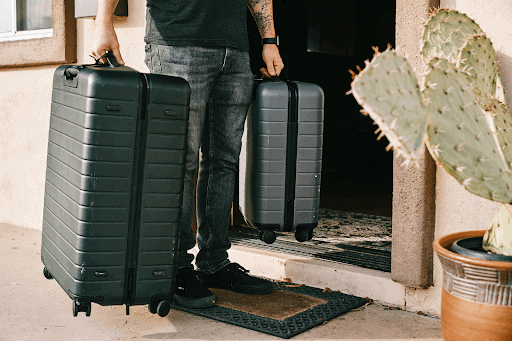
Now that travel is ramping up again, you may be planning a trip sometime in 2022. If you are, you’ll want to make sure you know everything about keeping your luggage safe. The fear of losing luggage can be daunting, but we’ve provided some tips to help you along the way. With the following suggestions, you’ll be able to keep valuable items safe and make sure your luggage makes it to your destination in one piece.

Pack Lightly

Less is more, especially when weighing the risk of losing items. Avoid bringing highly valuable or sentimental items. Take staple clothing items that you can wear interchangeably. For most travel purposes, you’ll only need a couple of pairs of shoes. You can find travel sizes of your necessities or get TSA-sized containers to put them in. You’ll also want to learn some suitcase organization tips. If you throw everything into the suitcase without care, you won’t have any idea if your luggage has been tampered with! Add only what you need, and do so in an organized fashion.

Get Creative With Valuables

If you decide to bring any valuables with you, get creative with how you store them. You can hide jewelry in socks, or mix it in with your toiletries. If you need to bring cash with you, tuck it into a book where it will be well concealed. Some have even opted to use empty deodorant containers as vessels for valuables. However, the most reliable place to keep valuables when traveling is in your carry-on. This way, you can keep an eye on them at all times. 

Follow TSA Guidelines

If you’ve traveled before, you’ve surely visited the TSA website to check which items are permitted. You may store liquids in bottles that are 3.4 oz or smaller inside a sealed quart-sized bag within your carry-on. Larger liquid containers can go inside your checked baggage, but it’s recommended to pack lighter with travel-sized containers. 

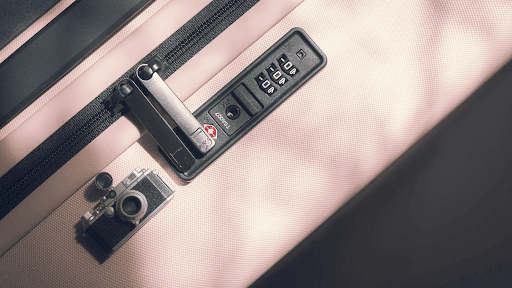
TSA also defines which locks to use when securing your luggage. TSA-approved locks can be opened with a universal master key. If you don’t comply with these guidelines, they’ll have to cut your lock open. When using the correct lock, the only people getting into your luggage are you and the TSA employees.  

Make Your Luggage Stand Out

If your luggage looks like every other suitcase at baggage claim, you run a much greater risk of losing it. The last thing you want is someone else walking off with your luggage because it’s identical to theirs. To help your luggage stand out, you can tie a colored ribbon around the handle or add stickers from your favorite vacations. In addition, you should always have luggage tags filled out on each bag or suitcase you use to travel. If your suitcase or bag does get misplaced, having a luggage tag is the most efficient way for someone to get it back to you.

Be Aware of Your Surroundings

Common sense tells us we should keep our luggage in sight at all times. The reality of this is, it’s easier said than done. If you travel with a carry-on, have it in your hands or your lap while you wait for the plane. If you take the tram to get across the airport, stay aware of what’s happening around you. Avoid looking down on your phone. Be careful in crowded spaces and hold tight to your items when you bump into people. This is an easy way for thieves to grab your bags without you noticing.

Track Your Luggage

As crazy as it may sound, you can buy a tracker to place in your suitcase and track it with your phone. It’s like you’re a secret agent all of a sudden! Be sure to read reviews on trackers, as some may work better than others. If your luggage ends up lost or stolen, a suitcase tracker will save you a lot of time and stress. Plus, you get to have a little fun in the process.

Purchase Travel Insurance

When in doubt, travel insurance is always a great option. Not only will travel insurance protect you from any health issues or injuries while you’re out of town, but it’ll also reimburse you for missing luggage, unlike most airlines. However, as with all insurance policies and documents, be sure to read the fine print. Every insurance company varies in its maximum coverage amount. If you’re traveling with valuables, you’ll want to be sure the insurance will cover those as well. Some travel insurance policies also result in a deductible when your luggage is misplaced. In most cases, it’s still worth it to purchase insurance.

Traveling can be stressful, but that shouldn’t take away from the fun. Packing lightly, tagging your luggage, and investing in travel insurance are only a few of the ways to keep your luggage secure. Pop-A-Lock is here to help you worry less and explore more in 2022 with these simple tips.

Locked Out? When to Call for Help and When to Do it Yourself (And How)

We’ve all experienced that dreaded moment of being locked outside of our own home. In many cases, it can be tempting to try and break in. Not only can this damage your door, but it can look suspicious to people passing by if they do not know you. If you must break into your own home, we have a few tips on how to do so.

What to do Before Trying to Open the Door Yourself

Attempting to break into your house can leave you with a damaged lock, doorknob, or door frame. If you’re considering hacking your way into your home, walk through these steps first.

  1. Get A Spare Key From a Family Member, Friend, or Neighbor

Maybe you lent your key to a neighbor so they could watch your house when you went on vacation. Or maybe you gave a spare key to a friend or family member for this exact reason. Either way, if you’ve given anyone a spare key to your house, see if they can let you in.

  1. Call Another House Member

If your house member isn’t home and they aren’t locked outside with you, they more than likely have a key in their possession. Though having a house member come to your rescue is ideal, you may not always have the luxury.

  1. Call Your Landlord or Apartment Concierge

If you rent a house or an apartment, it should be fairly easy to get back in. Either your landlord or the office of your apartment complex will have a key to your place. However, if it’s after hours you may be out of luck.

  1. Check for an Open Window or Back Door

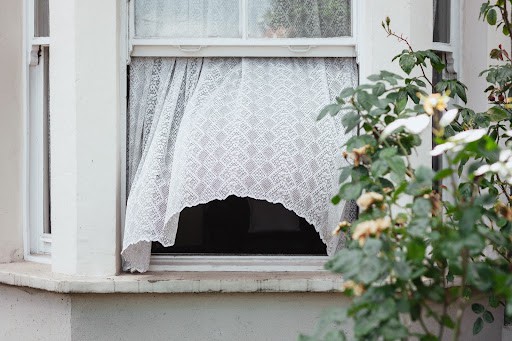
Though it’s never a good idea to leave any door or window open, it’s worth a shot to check in this case. Do note, however, that if an upstairs window is unlocked, it is not worth it to attempt climbing up your roof to get in. It’s always better to play it safe, even if that means waiting for a locksmith to come to your location.

When Should You Do it Yourself? And How.

If you do attempt to unlock your door yourself, be sure you have an adequate reason to do so. If you’re truly in a time pinch and can’t wait for a technician to reach you, we have some tips on how you can unlock your front door. However, these methods only work if you have certain tools available – even if those tools are things like a credit card and bobby pins.

  1. Use a Credit Card

Credit cards aren’t just for emergency purchases – they can be used to unlock your door in an emergency. Simply place your card between your door and the door frame. Then, press the card away from the doorknob and towards the frame of the door to undo the latch. Keep in mind, this could damage your card so it’s best to use a plastic card you no longer need.

This method will only work on a spring bolt. If you have a deadbolt lock, you’ll need to try a different method.

  1. Remove the Doorknob

If you have a Phillips screwdriver, you can try removing it altogether. Unlike other methods, removing the doorknob is non-damaging so it can be a great place to start. However, this method will not work if your doorknob is tamper-proof. 

  1. Pick the Lock

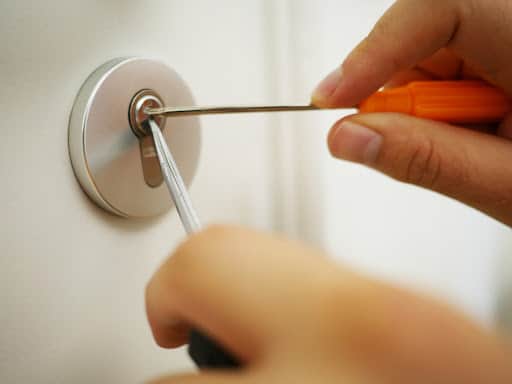
Picking a lock sounds simple but it can be the most challenging option to unlock your door. You can use this step-by-step method to pick the lock with hairpins but it won’t work as efficiently as professional locksmithing tools would. 

When to Call a Locksmith

At the end of the day, your best option to unlock your door is to call a professional locksmith. A trained technician will be able to get you back into your home without damaging your locks. Plus, a professional locksmith can make a copy of your house key so you don’t end up in this situation again.

If you wind up locked out of your residential home, a Pop-A-Lock expert will be happy to assist you. Your safety is our number one priority, and we aim to get you back on track quickly, safely, and at an affordable price. For all of your locksmithing needs, your local Pop-A-Lock is here to help!
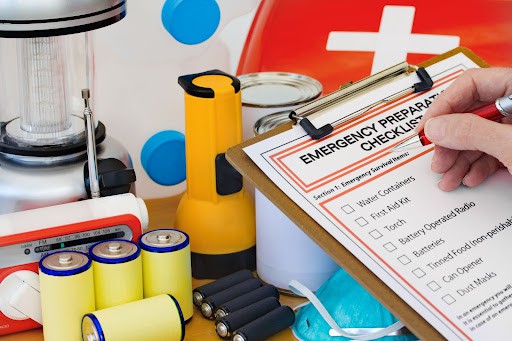
 

Warehouse Security Tips: How to Keep Your Commercial Work Space Safe

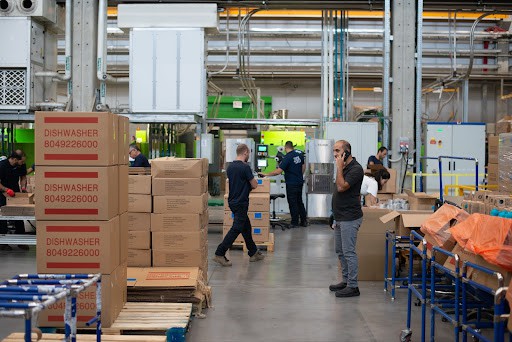
Between the high square footage and the abundance of products stored within their walls, warehouses are significantly vulnerable to theft. The number of goods found inside can be enticing to potential burglars and the vastness of a warehouse can provide ample opportunity for thieves to sneak around. However, if you implement these security measures, rest assured your building, your products, and your employees will be safe.

Here are a few things to consider when assessing the safety of your commercial warehouse.

Electronic and Biometric Locks

Though traditional locks may be appropriate in a typical office setting, they often won’t be a safe choice for a warehouse building. As the number of key copies grows, so does the risk of theft. Traditional keys can easily get lost or placed into the wrong hands. 

Electronic locks allow access through a passcode, which closes the gap for who can access a building. Not only does it eliminates the risk of losing physical keys, but a passcode cannot be stolen. The passcodes for these locks can also be changed periodically for more secure access. If someone needs access for a limited amount of time, they can be given a time-sensitive code to access the building. After the designated time has passed, the code will no longer work.

Biometric locks take security one step further. These locks require a fingerprint or retina scan to access the building. Biometric locks are by far the most secure because there is no faking someone else’s fingerprint.

Reinforce Entryways

Highly secure locks will go a long way in protecting your warehouse but only if they are supported by secure entryways. Be sure to install strong deadbolts, long high-durability screws, and heavy steel doors. 

To make sure your doors are secured in their frames, consider changing out ½ inch screws for 3 ½ inch screws. This will make the door significantly harder to kick in. 

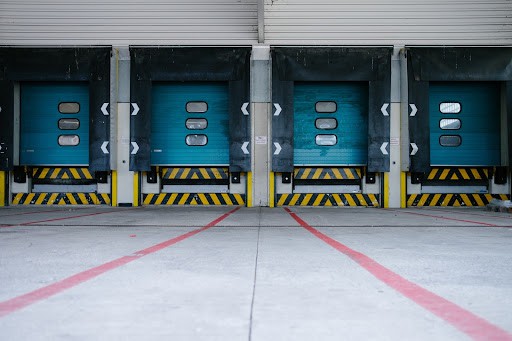
For rolling doors, using high-strength locking mechanisms and thicker-gauge steel can prevent most intrusion attempts. Windows should be reinforced and kept locked whenever the warehouse is not in use. Rolling steel shutters can help further secure windows while protecting the building from natural disasters.

Motion Detection Alarms

Motion detection can alert you and your monitoring provider when someone is on your premises that shouldn’t be. When unwanted movement is detected on your business’ property, a signal is sent to your security system’s control panel, which then goes to your monitoring provider’s central system.

Oftentimes, your monitoring provider will investigate the movement and determine the next steps – whether that’s activating a message through the warehouse speakers or contacting emergency services. 

Be Thorough with Your Lighting

Poorly lit areas in a warehouse present two issues – safety hazards for employees navigating the space and a greater ability for criminals to hide. 

Every corner of a warehouse should be well lit, including the perimeter of the building. This will keep employees safe, prevent criminals from sneaking around the premises, and ensure quality video surveillance. Well-lit video surveillance makes it easier for a monitoring provider to identify a threat and take appropriate action. If your warehouse is not lit properly, motion detection security may not be as effective.

Fire Prevention

Building fires can have drastic results in any situation, but especially when a warehouse full of valuable products is at stake. Modern fire prevention such as fire sprinklers, fire exit doors, and fire extinguishers should be installed throughout the building.

Be sure your employees know the proper fire escape routes and establish a designated meeting ground.

Perimeter Protection

Stopping criminals before they even gain access inside the building is critical to keeping your employees and your products secure. After all, the perimeter of the building must be breached before a crime can take place. 

While traditional security equipment like CCTV can record footage and alert you after the fact, they are not capable of intervening with criminal activity.  Proactive video monitoring technologies that trigger an alert to your monitoring provider will be immediately investigated through a live feed, thus more effective than CCTV.

Depending on your provider and the technology, a security specialist will be able to address the intruder with an audio warning instructing them to leave the property. Many monitoring technologies also allow remote notification to on-site warehouse security. Essentially, proactive video monitoring functions as a 24/7 security guard for your warehouse.

Glass Break Sensors

Glass break protection signals an alarm if a panel of glass has been broken or shattered. It works by detecting noise or vibrations coming from the glass. If the vibrations exceed a certain threshold, indicating the glass has been broken, your alarm provider’s monitoring center will be notified.

Keeping your warehouse secure doesn’t have to be complex. By following these essential security measures, you can have peace of mind that your warehouse is safe. For commercial security solutions and lock hardware installation, your local Pop-A-Lock is happy to help! 

Security Systems for Beginners: Why Your Security System Needs Maintenance

Your security system can keep you protected from break-ins, burglary, and even fires, but only if you use it properly. This means activating your security system daily but also performing frequent maintenance checks. After all, if you’ve turned your system on but it fails to communicate with your monitoring provider, it completely defeats the purpose. Follow these tips to keep your security system in good shape and make sure you are protected at all times.

Check The Cameras

If your security system has cameras included, be sure to inspect them frequently. Be sure the cameras themselves are working and that the images or videos are being recorded in the security system.

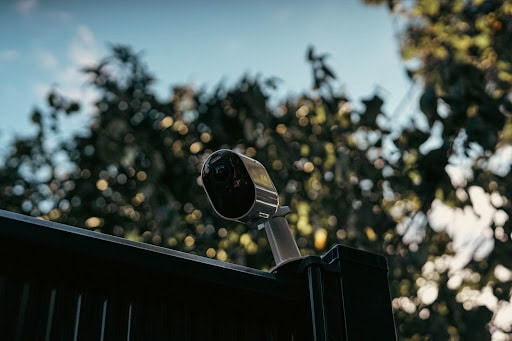
Also be sure that no trees, bushes, or other objects are obstructing the camera’s view. Trees and bushes can also make an easy place for burglars to hide. Make sure your lawn is well maintained and that your address is not obstructed for emergency services to locate your home.

If your cameras are battery operated, make sure the batteries are fully charged.

Test the Control Panel

Every sensor’s signal passes through your security systems control panel. From here, it interprets each signal to determine whether to activate the alarm. 

Every panel should have a test mode that runs a self-diagnostic test to make sure everything is working properly. Some security systems may require you to notify your monitoring service before running a diagnostic test. If your monitoring service requires this and you fail to do so, emergency services will be sent to your home.

Check Your Sensors Frequently

Walk your premises once a week to check your doors and windows. Be sure the sensors are in place. Most of them use an adhesive that needs to be adjusted or replaced over time. Also, check the frame of the door and make sure there is no rotting, warping, or wearing of insulation that could make the door easier to break down.

As you check that your sensors are in place, make sure they are clear of dust and debris. Keeping your alarm sensors clean will ensure your system is working properly and improve its longevity. This is especially important if your security system has a motion detector sensor. A dusty, clouded motion sensor is more likely to falsely activate than a clear motion sensor.

Lastly, check that all the locks are working on your doors and windows. If you have electronic locks, check the batteries and replace them as needed.

Test Communication with Your Monitoring Service

It’s important to make sure that your sensors and cameras are connected to your security system but even more vital to check that your equipment is communicating with your monitoring service provider’s central station. Otherwise, nobody will know when to contact emergency services.

You’ll need to contact your monitoring services provider before beginning this process and ask them to put your security system in testing mode. If you don’t contact them first, they will think it’s a real emergency.

Press the panic button to make sure the alarm sounds. You can also open any doors or windows that have sensors to make sure they are working properly. Then, contact your monitoring provider to make sure your system is communicating with their central station.

Overall Safety Checks

Check the lighting outside your home. You should have lighting around the whole perimeter of the house. Replace any missing light bulbs and make sure any motion detector lights are functioning properly.

Test your fire alarm to make sure it’s working properly and replace any batteries that are running low. Your fire alarm probably has a carbon monoxide detector built in, but if you have a separate device for this, check that it is also working properly.

Keep fire extinguishers on every level of the home, being sure to keep one in the kitchen. Inspect these extinguishers every month and get them serviced if the pressure gauge reads low.

Lastly, Explain safety procedures to any children in the house, such as fire escape plans. Review house rules with any children in the house. This may include never letting strangers into the house or never giving strangers personal information. 

Keeping your security system up to date is one of the most important things you can do to stay safe in your home. If your system isn’t communicating with the sensors and cameras throughout your house, it serves more as decoration than protection. Even more importantly, if your system isn’t communicating with your monitoring provider, no one will know to contact emergency services.

At Pop-A-Lock, your safety is our number one priority. Click here to learn our top tips on smart security systems.


Residential Doors: Different Types and What to Know About Them

Doors are everywhere – your home, your car, your workplace. As frequently as we open doors, we often disregard the details. You may be surprised to learn about the various material and style options available for residential doors. 

Some are best designed for durability, others mainly for style. Regardless, the right kind of door is out there for you. Keep reading to learn about the different types of residential doors and what you should know about them.

Residential Door Materials

There are a variety of different materials to use for residential doors. Among the most common are wood, steel, and fiberglass.

Wood is the most traditional material for a residential door whether it’s a front door or inside the home. It is highly customizable and comes in a variety of finishes – from custom paint colors to varnishes that enhance the wood’s natural beauty. Wood can also be easily cut to fit a custom frame. Wood is fairly durable but requires periodic maintenance because the finish can easily fade, peel, or warp when exposed to the elements.

Solid-core wood doors are the most durable and are less likely to warp over time. Hollow wood doors should only be used inside the home as they can be easily kicked in.

Metal doors can be made of steel, aluminum, and iron. Hollow metal doors can come in varying degrees of thickness or gages. Solid metal doors have a range of options for the door core such as honeycomb or insulated cores. Steel doors often have a polyurethane core as solid steel would be too heavy for the hinges of a door. Steel doors are the most common type of metal door because they are very secure and durable. However, metal doors can dent and rust, unlike wood doors. Steel doors are also not as versatile as wood doors because it is harder to cut. 

Fiberglass doors are strong and durable and require little maintenance. Some fiberglass doors come with wood grain-mimicking finishes that are beautiful and realistic. They work well in almost any climate, even in extremely cold and damp conditions. Unlike wood, fiberglass doors do not warp, crack, or rot. And unlike steel, the doors don’t rust, scratch, or corrode. 

Styles of Residential Doors

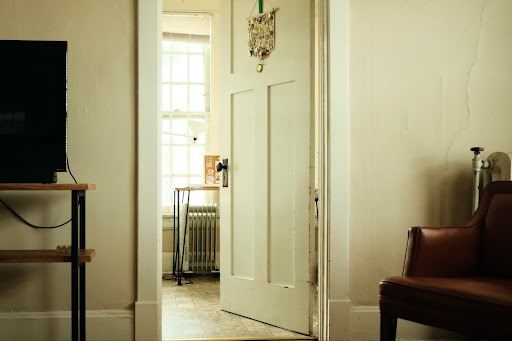
You’ve probably seen more hinge doors than you can count. Hinge doors are also known as passage doors and these are, by far, the most common residential doors. However, there are also a lot of additional styles you may not be familiar with.

Dutch doors are rare but offer a very unique feature. These doors are split in half so the top and bottom open separately. These doors are very convenient for letting fresh air into the home without fully opening the door. The top half, more or less, acts as a window. This type of door goes great in the kitchen to air out after cooking.

French doors are double doors that open inward. They appear luxurious and spacious and can be designed for interior use or as a front door. 

Sliding doors roll along a track and typically open from one side or the other. Sliding doors may be wood or glass. They are most often found as an exit to a patio or the entrance to a closet.

Pocket doors also slide on a rail but they disappear into the wall when opened. The name comes from the fact that they hide in the “pocket “ of the wall. These types of doors are commonly used for powder rooms, bathrooms, closets, and pantries. They’re a great space saver and offer a sleek design. 

Barn doors have a lot of character and have acquired increasing popularity over the years. This type of door slides on a track on the outside of the room. Unlike the sliding door or pocket door, a barn door hangs from the track and glides freely at the bottom. Barn doors are common for bedrooms, bathrooms, or just about anywhere inside the home.

Which Door is Best for You?

Deciding which door is best for you depends on what you value most in a door – safety, style, or longevity.

If you’re opting for safety, steel doors will prevent any unwanted visitors from entering your home. A steel door is virtually impossible to kick in. For ultimate safety, opt for a steel door with a polyeurtheane core as hollow doors are not as secure.

If you’re searching for something affordable and durable, a fiberglass door will be your best option. The material is resistant to dents, warping, rusting, and corroding. With realistic wood-grain finishing, a fiberglass door is beautiful and does not sacrifice longevity.

Whether you prefer a sleek design or something a bit more worn on the edges, there are stylistic choices for everyone. French doors may be the best choice for you if you’re looking for something luxurious with a classic feel. Barn doors will suit you better if you prefer a rustic, down-to-earth feel, but are primarily used for the interior of your home.

Dutch doors take the cake in terms of uniqueness. They offer functional and stylistic benefits. If you have young children or pets, opening the top half of a dutch door can let fresh air and sunshine in without your little ones running away from you.

If you upgrade your front door and need new locks installed, your local Pop-A-Lock will be happy to help. Our expert technicians can install new locks in minimal time at an affordable price.

How Safe Is Your Apartment? Security Tips for Renters

Searching for a new apartment can be an exciting process, but there’s a lot of things to keep in mind. You want your new place to feel safe and inviting. But how can you tell if your new apartment is the right one for you? Aside from the obvious location, price, and amenities people first consider, it’s important to recognize the safety of a potential apartment as well. Here are some safety tips to keep in mind before, and after, you find a new apartment.

Landlord Credentials

One of the most important things to do before renting an apartment is to check your landlord’s credentials. A legitimate rental company will have a professional website and licenses for all their properties. It is easy to find out if your landlord has these credentials online by Googling their name. It is also a good idea to ask residents about the landlord.

Entrance to the Complex

A gated entrance can be an excellent deterrent for thieves, but they aren’t all created equal. Check the hours, if any, that the gates are open during the day. Gates that use a clicker are often more secure than a passcode entry, since only the residents can have access.  Check out the apartment public areas, like the pool and gym. These should also require a key or access code. Don’t be afraid to ask questions about the complex’s security features.

General Maintenance

Apartment grounds that are well maintained are a good sign of safety and a better experience overall. Take a look at fences on the property to make sure they’re not broken or missing boards. Overgrown landscaping, peeling paint, and broken lights are a dead giveaway for neglected apartment spaces.

Local Crime Rates

When touring a new apartment complex, research what crime rates are like in the area. Ask your landlord about the noise level and nightlife. If you’re an active person who likes to stay out late, make sure it’s a safe neighborhood for you to walk around in.  Avoid apartment complexes near abandoned buildings or factories, since they will often attract unwanted activity. 

Now that you’ve decided where you want to live, there are some steps to take toward making your own apartment safer.

Purchase Renter’s Insurance

​​Though landlords have rental insurance to cover the building you live in, this will not cover your personal property. Most landlords require their tenants to have renter’s insurance, but you should invest in it regardless. Renter’s insurance is an inexpensive policy that covers theft, damage, and loss of personal belongings. Don’t wait until you have a horror story about pipes bursting and flooding your apartment. Have renter’s insurance ready the day you move in.

Make Sure Doors and Windows Are Secure

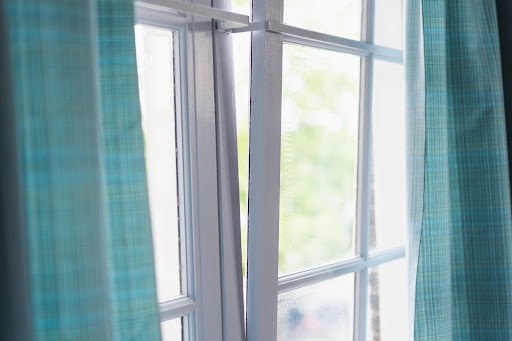
Make sure all your windows and doors are sealed tightly. Make sure all locks work properly. Bolt locks work best on windows, while deadbolts are better for doors. Consider getting a door chain (with your landlord’s permission) to put across the door when you’re home alone, or at night to prevent any unwanted visitors. 

Make sure you have blinds on all your windows, and keep them shut at night and early in the morning when it’s still dark. Be mindful of what can be seen when your blinds are open. It’s not uncommon for thieves to “window shop” before robbing an apartment. Don’t leave valuable items in the window’s line of sight. 

Don’t Forget to Lock Up

There’s no use checking the locks on your apartment if you don’t use them. If you’re leaving your apartment for any period of time, even just to walk the dog outside, make sure all doors and windows are locked. Just because it is daytime outside, doesn’t mean thieves aren’t out there waiting to take advantage of busy citizens.

Meet Your Neighbors

Get to know the people living around you and exchange numbers in case of an emergency. Make sure you stay connected to the neighborhood by getting to know your neighbors and looking out for each other. If something seems off, report suspicious activity right away. You can also encourage crime awareness among others through social media or handing out flyers letting people know how to prevent theft.

Keep Your Balcony Clean

Your balcony is a place to get fresh air, not a storage unit. If you have a lot of personal items on your balcony, consider moving items inside, or asking the landlord about a storage room. Thieves will often climb balconies to gain access to open windows and unlocked doors. Your balcony acts as a preview of what you may have in your home. Keep it clean and well lit at night.

Consider Investing in a Safe

If you have valuable items that you keep in your rented apartment, it might be worth investing in a safe. A small safe (under 10 pounds) should suffice, but this will vary from person to person. A safe will also protect personal paperwork from fires. If this is your first time purchasing a safe, here are some helpful things to consider.

It is important to consider the safety of your apartment before, and after, you move in. By scoping out a potential apartment complex and analyzing the security and maintenance, you’ll be one step ahead in securing your rented space. After moving in, be sure to keep doors locked, windows closed, and valuables stored away. Create a community by getting to know your neighbors, and make sure you’re all prepared with these top safety tips.

Unlock Your Car Smarter, Not Harder: The 5 Benefits of Smart Keys

Smart keys use radio-frequency identification, or RFID, to communicate with your car. The key contains a chip with an encrypted code that only your car is programmed to recognize. The antenna on your car reads the signal from this chip when it is within range, allowing you to unlock your car and start your engine.

Smart keys are becoming increasingly common as they are much more convenient, have added security and safety benefits, and can save you money in the long run. Smart keys are a luxury when compared with traditional car keys. After reading over these benefits, it’s a safe bet that you’ll never want to use traditional car keys again.

The Most Convenient Kind of Key

Smart keys offer several features that are far more convenient than a traditional key. This includes automatic setting adjustments, easy unlocking, and the ability to drive as long as your key is within range. 

With most push-to-start cars, all you have to do in order to unlock your car is touch your hand to the door handle. Some cars even unlock automatically when the key is detected within a certain range.

Many smart keys can automatically adjust to your settings based on which key is in range. This is very convenient when there are multiple drivers for the same vehicle. The vehicle will adjust the seat and mirror positions to match the detected key. It can also pre-set the climate control and radio settings.

Some cars even allow speed restrictions to be set when used with a specific key, which is ideal for teenagers who are just learning to drive.

Also, if a smart key gets lost during a ride, you can still drive your vehicle as long as the key is within range. If the car starts, you won’t have to worry that the key is lost. You’ll know for certain it has been misplaced somewhere inside the vehicle.

If this happens to you, just be sure to search for the key once you arrive at your destination so you can lock the car. The last thing you want is to leave the key inside where a carjacker could easily enter your vehicle and drive away.

Smart Key Security

Your smart key can also protect your belongings – the system automates the car locking process and greatly reduces the likelihood of your car getting stolen.

Most smart keys will automatically lock your doors once you exit the vehicle. If you’re often forgetting to lock your doors, your smart key will do the hard work for you. 

Since the RFID signal sent between your vehicle and your key fob is unique to your car’s sensor, it’s incredibly difficult to steal a car equipped with a smart key. Even if a thief manages to break into your car and attempts to hotwire it, the engine will not start without the encrypted code from your key.

Safety with Smart Keys

In addition to keeping your car secure, smart keys can also keep you safe by preventing your encounters with criminals.

If you’re in an unfamiliar area, or a place with a high crime rate, you don’t want to spend time stuck outside of your car. If a criminal sees you fumbling with your keys, they may take it as an opportunity to steal your purse, backpack, or wallet. With a smart key, you can quickly get into your car as long as your keys are within range. 

Because the smart key operates by sending a signal to your antenna, it is impossible to lock yourself out. This saves you the risk of getting stranded in an unsafe area, or on a busy street outside of your car.

Save the Hassle that Comes with the Ignition

Traditional keys can be heavy, especially if you keep your keychain full. Over time, this weighs down on the ignition. Ignition wiring is also typically heavier, whereas push-to-start wiring is thinner and lighter.

With traditional car keys, you run the risk of your keys getting sticky and even breaking off in your ignition. Even if your keys don’t get stuck, the ignition could simply not work over time as the unique etching on your keys wears down.

A smart key operates by battery and will warn you well in advance when the battery is low. If the smart key battery is low but not dead, the car will still operate. When the time comes to replace the battery, it is a very simple process. You can open most smart keys without any tools and quickly pop in a new battery which only costs a few bucks.

While we can’t speak for all locksmiths, Pop-A-Lock can duplicate and program virtually any smart key. This saves you a ton of money from the expensive key replacements of a car dealership. A smart key will also save you the risk of needing to replace your whole ignition. Coupled with the fact that you cannot lock your smart key inside your car, you’ll be saving money.

Smart Keys are a Luxury

Arguably the best benefit of smart keys is the luxury aspect. Though some cars still come with traditional keys, smart keys are becoming the norm and the average car owner prefers a smart key. They are far more convenient than a traditional car key, and the ability to start your car with the click of a button is too cool to miss out on.

Overall, smart keys have many benefits that outweigh traditional car keys. They’re convenient, help keep you and your belongings safe, and require little maintenance. They’re a luxury item that any car owner would be lucky to have.

Looking to duplicate your car’s smart key? Your local Pop-A-Lock is here to help!

Call Us 614-424-6736