614-424-6736

Which Valuable Items Should You Store in a Safe?

When it comes to protecting your valuables, both at home and at work, a safe is a necessary investment. Not only do safes keep your items secure from potential burglars, but they also protect against fires, floods, and other disasters. But with so many different types of safes on the market, it can be difficult to know which one is right for your needs. In this blog post, we will go over some of the most valuable items you should consider storing in a safe, as well as some tips for choosing the right safe for your needs.

A diamond necklace on a plain gray background.

Valuables Fit for a Safe

One of the most valuable items that you should consider storing in a safe is your important documents. This includes things like your birth certificate, passport, social security card, and other identification documents. These items are not only valuable in their own right, but they are also essential for proving your identity and accessing various services. By storing them in a safe, you can ensure that they are protected and easily accessible in case of an emergency.

Another valuable item that you should consider storing in a safe is your jewelry. Whether you have a collection of priceless heirlooms or just a few sentimental pieces, your jewelry is likely worth a significant amount of money. Storing it in a safe can help protect it from theft, as well as prevent damage from fire, water, and other disasters.

In addition to your important documents and jewelry, you should also consider storing other valuable items in a safe, such as your cash, firearms, and sentimental items. Your cash is an obvious choice, as it is both valuable and easily portable. Storing it in a safe can help protect it from theft and damage. Firearms, on the other hand, require special consideration. Depending on where you live, you may be required to store your firearms in a specific type of safe, such as a gun safe, in order to comply with local laws. Sentimental items, such as family heirlooms, photos, and other keepsakes, can also be worth a great deal to you emotionally and should be protected in a safe.
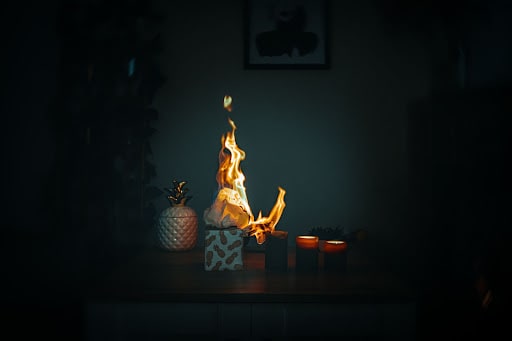
A small, accidental fire caused by a lit candle.

How to Choose a Safe

When it comes to choosing a safe, there are a few key factors to consider. First and foremost, you need to consider the size of the safe. It should be large enough to accommodate all of your valuable items, but not so large that it’s difficult to find a suitable location for it. You also need to consider the type of lock on the safe. Most safes come with either a combination lock or a keyed lock, and both have their pros and cons. Combination locks are generally more secure, but they can be difficult to open in an emergency. Keyed locks, on the other hand, are easier to open, but they can be picked or bypassed by a skilled burglar.

Another important factor to consider are the fire and water protection ratings of the safe. Fires and floods can destroy not only your valuable items, but also the safe itself. Look for a safe with a high fire protection rating, ideally one that is rated to protect your valuables for at least an hour in the event of a fire.

Finally, you should consider the overall build quality of the safe. A well-made safe will be more secure and more resistant to burglars and disasters. Look for safes that are made from heavy-duty materials, such as thick steel, and have multiple locking mechanisms to provide additional security.
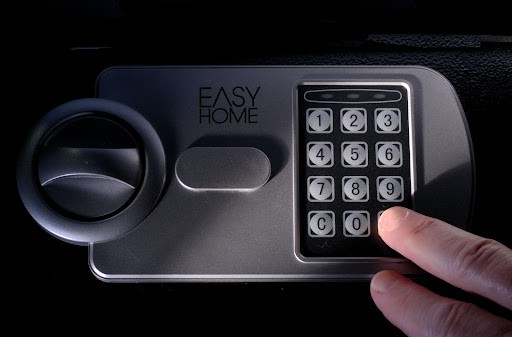
A safe is a necessary investment for protecting your valuable items. Some of the most valuable items you should consider storing in a safe include your important documents, jewelry, cash, firearms, and sentimental items. When choosing a safe, consider the size, type of lock, fire protection rating, and build quality. By taking these factors into account, you’ll be well equipped to protect the things that matter in the safe that best fits your needs. 

If you have a commercial safe that you can’t open, be sure to contact Pop-A-Lock’s commercial safe unlocking professionals to regain your much-needed access to your valuables!
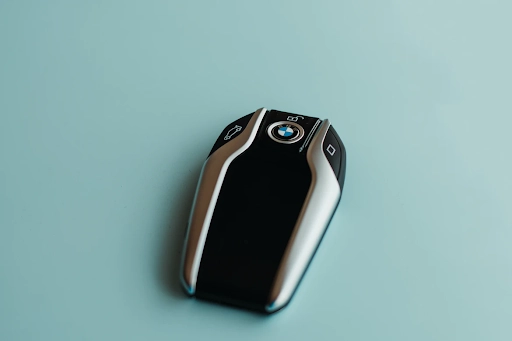
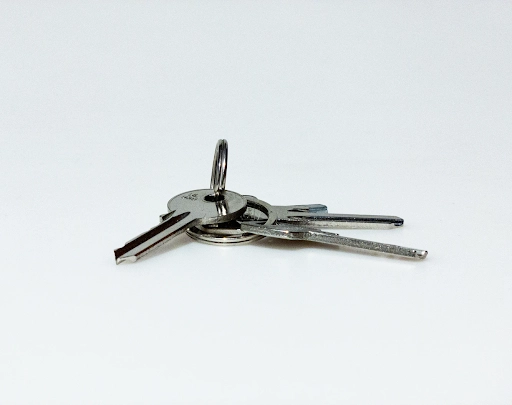
Traditional VS. Push-To-Start: Which Type of Car Key is Better?

There are a few different types of car keys on the market these days. Some are the traditional, physical keys that have been used for decades. Others are the newer, “push-to-start” keys that are becoming more popular every year. So, which type of car key is better?

A smart key fob placed on a table.

Traditional Car Keys

Pros:

  • Cost. The primary benefit of using traditional car keys is their affordability. Car keys are relatively inexpensive and can be found in most hardware or auto parts stores. Traditional car keys are also reliable and easy to use, having been the standard for decades until recently. Older cars may also be more likely to have problems with their electronic key fobs, making traditional car keys a more reliable option. 
  • Durability. Metal keys last a long, long time. Although they can still get worn down after years of use, they will likely outlast the vehicle itself. Smart keys often require upkeep and maintenance, such as replacing the battery regularly or opening and cleaning the interior chip boards. 
  • Ease of use. Some push-to-start systems involve entering a code into the door or following a series of steps to enter or start the vehicle in the name of security, which you have to do every single time you get into your car. With traditional keys, just insert the key into the door or ignition and be on your way. There’s a reason they’re the longstanding standard.

Cons:

  • Easily lost. Traditional keys almost never have tracking devices built into them, while many smart keys, especially more recent ones, do. This makes them prone to theft or misplacement, and if that happens and you can’t find the key you may need to pay to have the entire ignition system replaced before your car is usable again. Aftermarket trackers exist to help solve this problem, but it’s hard to beat having this feature built in from the start. 
  • Inconvenient. If you’ve ever been carrying groceries, luggage, kids, or anything else that requires two hands and then have to somehow free up one of them to open your car, you know where we’re coming from with this one. Many new cars equipped with push-to-start systems also have sensors to open your car doors hands-free, and even if they don’t it can be much easier to just have to open the door rather than also get the key out of your pocket to unlock your car. In extreme cases, traditional keys can even get stuck in the ignition and require professional services to remove them.

A set of metal keys on a keyring.

Push-to-Start Car Keys

Pros:

  • Convenient. No more fumbling around for your keys. Most push-to-start keys can stay in your pocket or bag from before you get in your car till after you finish your trip, and some can even be connected with your smartphone for ultimate convenience.
  • Increased security. While traditional keys can be easily duplicated, push-to-start car keys offer an extra layer of security by requiring a unique code and authentication protocol with your car to start. This makes your car much more secure and less vulnerable to theft. Although you can still duplicate your smart key to get a spare if you want one, it’s much more difficult for a thief to do so than simply making a copy of a metal key.
  • The “cool” factor. This is certainly more of a soft benefit, but it’s hard to argue that it doesn’t look and feel cool to push a button to start your car. 

Cons:

  • Required maintenance. If the battery in your smart key dies, you’re going to find it difficult to get into or start your vehicle. The circuit boards inside smart keys are also often more delicate than in traditional key fobs, meaning that drops or dings are more likely to damage them.
  • Cost. Push-to-start keys themselves and the ignition systems in their cars are more expensive than their traditional counterparts, both in terms of purchasing the vehicle in the first place and when making repairs. The ignition systems in push-to-start cars are more complicated and have more intricate electronics than in traditional ignition systems, so if there’s ever a problem you might be on the hook for a hefty repair bill.

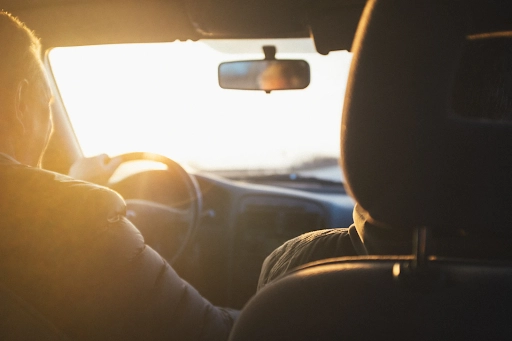
An interior shot of two people driving in a car at sunset.

Weigh the Benefits

Traditional car keys and push-to-start car keys each have their advantages and disadvantages. Traditional car keys are more durable and reliable, but they are more easily lost or stolen. Push-to-start car keys are more convenient and have added features, but they are more expensive and have a greater chance of malfunctioning. Ultimately, the choice between traditional and push-to-start car keys comes down to personal preference and budget. Luckily, Pop-A-Lock can service and maintain both types of keys, so definitely reach out if you’re having any problems with yours!

Locking Your Car Door | A Simple Step Towards Staying Safe

In today’s world, it’s important to take every precaution possible to stay safe. One simple step you can take towards keeping yourself and your belongings safe is to always lock your car doors. It may seem like a no-brainer, but you’d be surprised how many people leave their car doors unlocked, especially in busy or public areas. By taking the time to lock your doors, you’re deterring would-be thieves and criminals from being able to easily access your car.

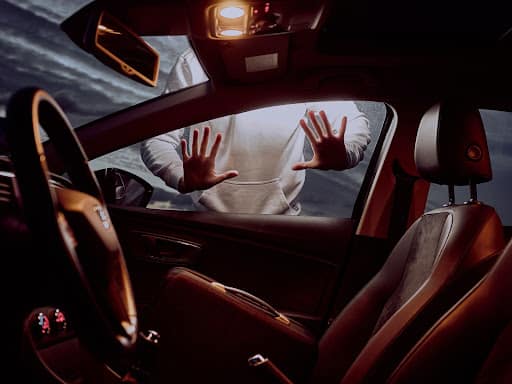
A person attempting to break into a locked car.

Lock Your Car at All Times

Statistics show that 9 out of every 10 burglarized vehicles were unlocked at the time of the crime. Locking up your car is the simplest and easiest way to keep yourself and your valuables safe. Even when you’re still in your car, or if you’re just running into a store for a quick errand, take the extra few seconds to lock your doors. It could be the difference between coming back to your car safe and sound or being the victim of a break-in.

Never leave your car running while you’re away from the vehicle. Stealing an unlocked, running vehicle is as easy as climbing into the driver’s seat and putting it into gear. Especially if you own a model of car that’s more likely to be stolen, you want to be sure you’re taking every precaution possible. Keep your windows up, your key out of the ignition, and your doors locked, and you’ll be well on your way to total car safety. 

Hide Your Valuables 

If a thief can see your valuables, they’re more likely to break into your car. Even if your car is locked, a thief may be able to break a window and grab your things. Hiding your valuables helps to keep them out of sight and makes it more difficult for a thief to grab them and run. Some ideas for where you can stash them include: 

In the trunk. This is one of the most obvious places to hide your things, but it’s also one of the most effective. A thief is less likely to break into a car if they can’t see what’s inside, and trunks are often more difficult for a thief to get into than the cabs of vehicles.

Under the seats. Especially if you have a sedan or SUV, you can usually tuck things under the seats out of sight. This is a great option if you have smaller items that you don’t want to put in the trunk.

In a bag or purse. If you have a bag or purse that you can put your valuables in, do it! A bag is a much less appealing target than, for example, a laptop or a pair of expensive sunglasses. Bags should still be placed out of sight if possible, such as under a blanket or towel, but even having this layer of protection is often enough.

In the glove box. Small items can easily be tucked away in the glove compartment, but be careful! Surprising items stolen from vehicles include registration papers and even owners manuals, and the glove box will be the first place a thief will look for these documents.

There are a variety of other ways you can hide your valuables, but these are just a few of the most popular options. Get creative! The important thing is to take a few minutes to hide your things before you leave your car.

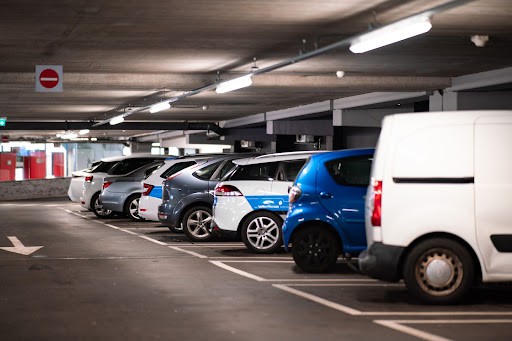
Several cars parked in a row in a parking garage.

Be Aware of Your Surroundings

Choosing the right parking spot is another important consideration to keep your vehicle safe. Ideally, your spot will be somewhere visible from a window of your home, your office, or the store you’re stopping in, but of course this isn’t always possible. If it’s not, check for signs denoting security cameras and do your best to park around those. Cameras are an excellent deterrent against those looking to break into a car.

At night, it’s incredibly important to park in well-lit areas around other vehicles. An isolated car in a dark spot is an excellent target. With other vehicles around, the chances for your car to be chosen by a thief are lower and the chances for someone else to happen upon that thief at work are higher. There’s strength in numbers.

Also be sure to check who and what is around you when getting into and out of your vehicle. If you see anything suspicious, or anything that makes you uncomfortable in any way, keep the doors locked and move to a location that feels safe.

A blue car parked in an outdoor parking lot.

Safety doesn’t have to be complicated. By taking these simple steps, your car and your valuables are less likely to be targeted and more likely to be how you left them when you get back. But if your locked car doors are causing an issue for you, be sure to take advantage of the expert automotive locksmithing services from Pop-A-Lock!

Bon Voyage: Keeping Your Home Safe While You’re Away For the Holidays

The holidays are a time for family, friends, and, for many of us, travel. If you’re leaving for an extended period of time, it’s important to take some precautions to ensure your home is safe and secure while you’re away. Be sure to consult the tips below to help you prepare for your trip!

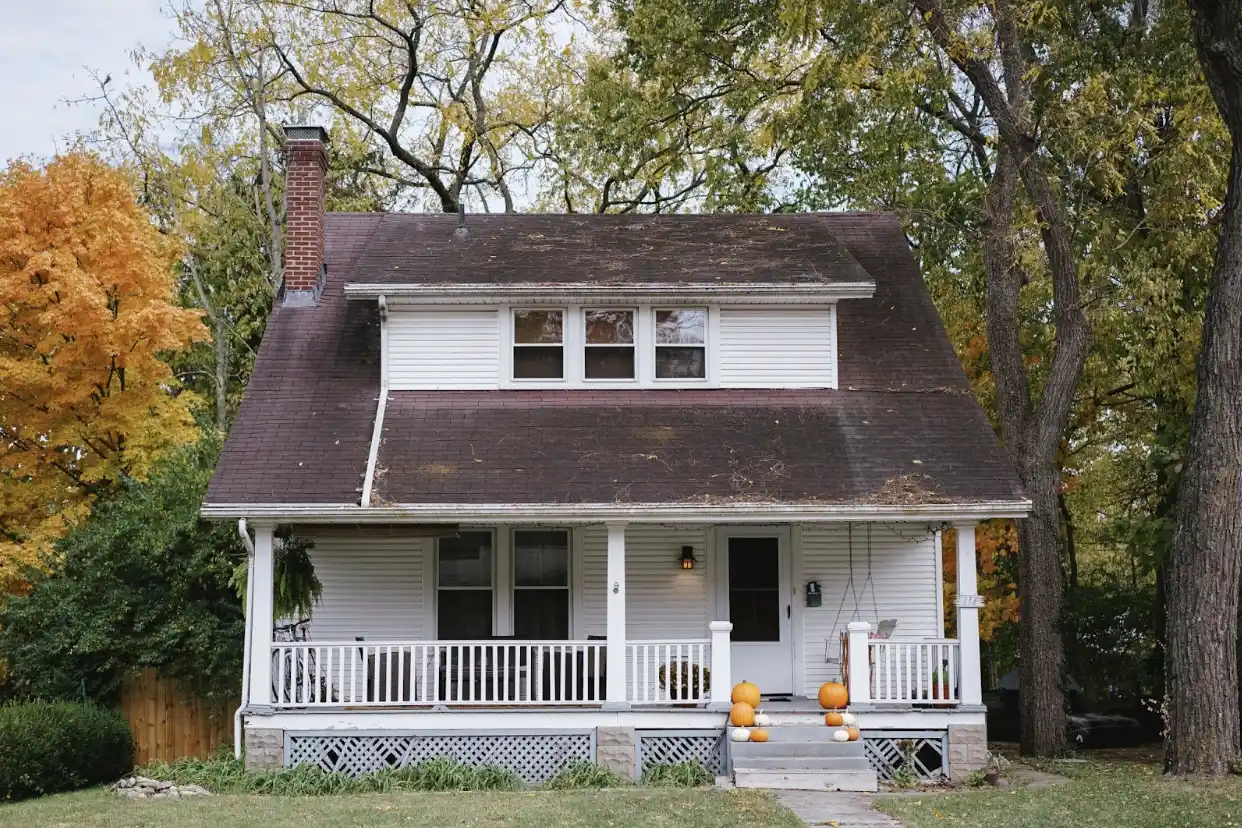
A white house in autumn with pumpkins on the porch.

Install or Arm Your Security System

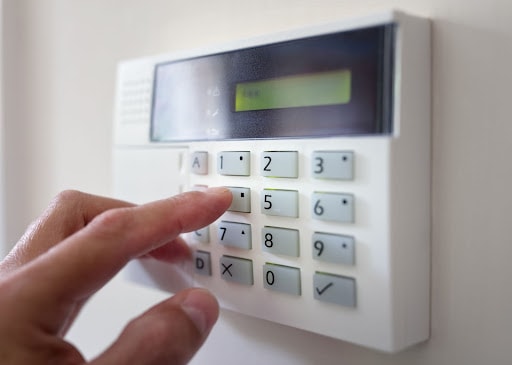
If your home is equipped with a security system, be sure to arm it before you leave. If you don’t have one, this season of holiday travel may be the perfect opportunity to get one installed. Burglary statistics suggest that homes without security systems are about 300 times more likely to be broken into than those with a system. Few safety measures can claim to be as effective.

But, if you can’t get one installed, consider simply placing a security system sign outside. Even just this visual representation of home security can make a would-be burglar think twice about targeting your home.

Lock All Doors and Windows

The most obvious way to secure your home is to make sure all the doors and windows are locked before you leave. Remember to check your basement or garage doors, as well as any doors that may lead directly outside. 

A flimsy lock is no match for a determined burglar, so be sure your locks are in good working order and invest in high-quality deadbolts for your doors. It may also be worth considering electronic locks, both for their security and to help with the tip below.

Have Someone Check on Your Home

If you have a trusted contact in the area, it can be beneficial for many reasons to have them check on your home every so often while you’re away. This can be as simple as driving by and looking to see if anything appears out of the ordinary, but leaving a spare key behind or sharing the lock code so the friend or family member can enter your home if needed is a worthwhile extra layer of security.

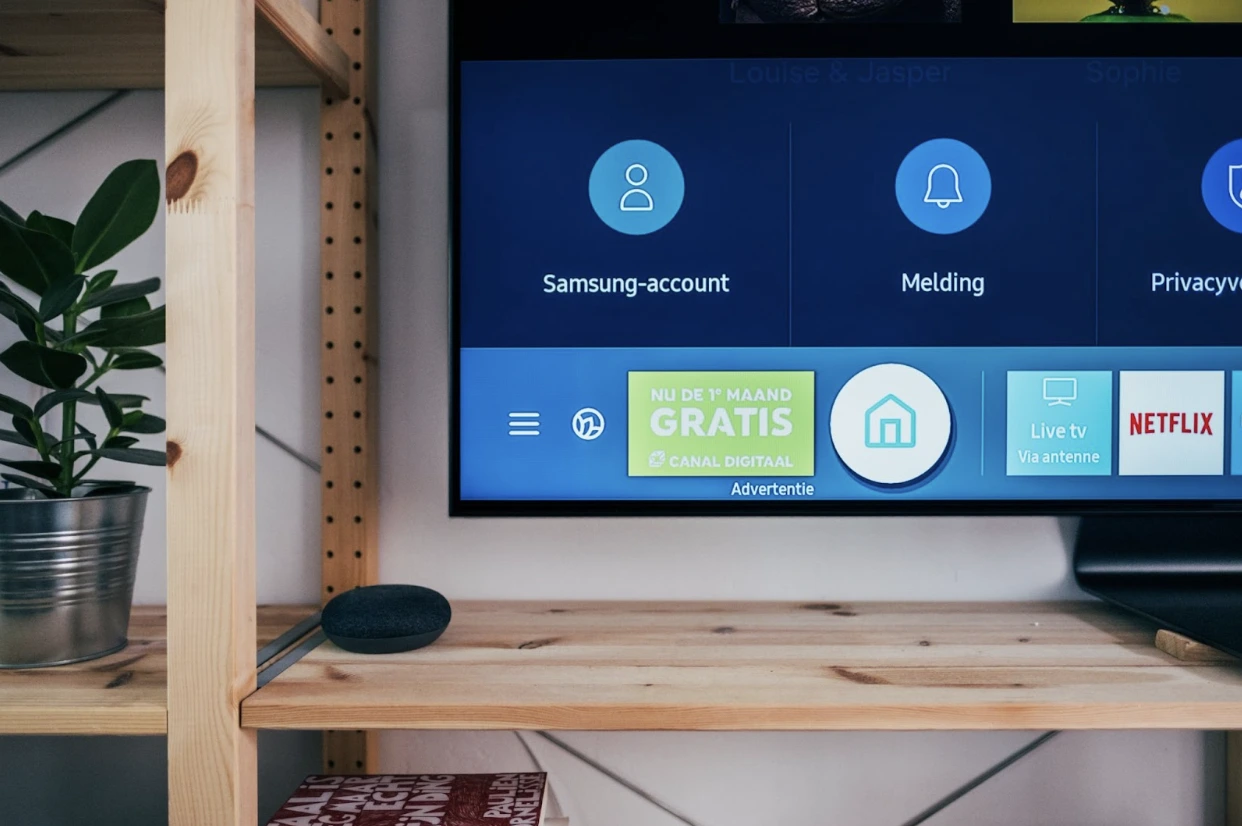
A smart TV on a wooden TV stand.

Give the Impression You’re Inside

One of the most powerful ways to discourage someone from attempting to break in is to make them think there’s someone in the house. Having your home checked on while you’re away is one way to do this, but there are several other tricks to make it appear someone’s home even when they’re not.

Putting lights or TVs on a timer is one surefire way to give outside observers the idea that someone is home. If you have an existing daily schedule for times you already tend to use these appliances, it’s a great idea to set your timers to follow that schedule. 

You should also take steps to avoid mail piling up outside while you’re away. Pausing your newspaper deliveries and arranging mail pickups, possibly by the same person who will be checking on your home, are two potential strategies. If you’ll be gone for an extended amount of time, you may also be able to temporarily forward your mail elsewhere for the duration of your trip.

Hide Your Valuables

If you store any expensive items or keepsakes in spots visible from an outside window, it’s certainly a good idea to hide them away while you’re gone. This can be as simple as shutting your blinds or curtains, but the best choice would be to have a water and fireproof safe to keep things in. If your valuables are small and easy to move, you could also consider giving them to a trusted friend or neighbor while you’re away.

Take Pictures Before You Leave

While this tip won’t prevent someone from breaking in, it can be a lifesaver if the worst-case scenario happens and there is an intruder while you’re gone. This photo proof of items that may have gone missing will save you the headache of attempting to itemize everything that was damaged or taken. 

To go along with this, make sure your property or renter’s insurance policies are up to date before you leave. Again, this won’t keep away any unwanted attention, but it will make a world of difference if you need it.

Two hands holding sparklers at dusk.

Have a Happy and Safe Holiday!

Following these steps can help you fully enjoy your holiday without having to worry about what might be happening back home. We hope this article makes your trip as enjoyable and safe as possible. 

From all of us at Pop-A-Lock, have a wonderful holiday season!

Why Your Garage Door Needs to Be Included in Your Security Audit

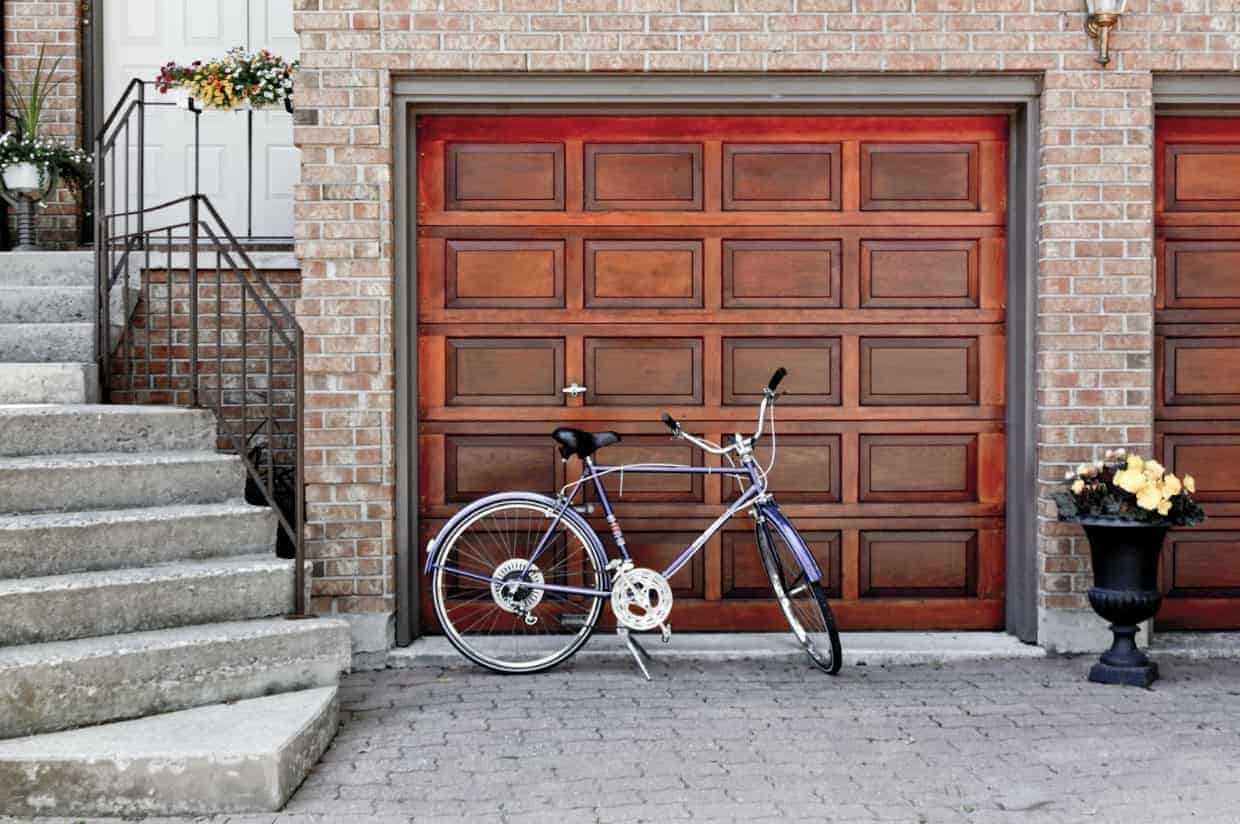
A outdoor photo of a home with a garage door.

Why is Securing the Garage Important?

Focusing on garage door safety is important because it is one further step in keeping your home and family safe from intruders. Did you know that a thief can break into a garage door in as little as six seconds? In addition, nine percent of burglars gain access to homes through poorly secure garage doors. 

The mere fact that garage doors provide easy access for burglars to enter your home is enough reason to take extra precautions securing them. Luckily, there are many ways to ensure your home stays secure – keep reading to find out more!

Check Out These Tips for Securing Your Garage

  1. Cover all exterior windows with frosted glass, adhesives, or privacy blockers. Thieves will often scope out their target areas before committing the crime. Covering your windows will help hide your valuables and reduce their motives.
  2. Install motion-detecting lights near your garage doors to increase visibility and deter thieves from breaking in. You’ve heard the saying that the thief will come in the dead of night – that’s because they can sleuth better in the dark. These lights will do well at exposing their actions and hopefully scare them away.
  3. Lock the house access door located inside the garage. Even if a robber gains access to your garage, it’s better to guarantee they can’t get into your home. Locking your house door in your garage is one extra step of security that will pay off if you ever need it.
  4. Invest in a garage door lock – door locks are a very affordable way to go the extra step with securing your garage door. The device attaches to the garage door, disabling someone from opening the door from the outside.
  5. A great way to improve the overall security of your home and not just your garage area is to install security cameras. Cameras reduce break-ins by 300% and are the most effective way to protect your home and family. 

Can Pop-A-Lock Help?

Pop-A-Lock has a free security audit checklist that you can do today – it will guide you through different areas of your home and help you guarantee it’s secure. The audit mentions the following ways to secure your garage area:

  • The audit further supports the use of motion sensor cameras outside the home.
  • It encourages homeowners to lock up valuables like tools with lock cables.
  • Joining a neighborhood watch group is highly recommended.
  • It reinforces the installation of special locks on the garage and home doors.
  • Get a new and more secure garage door if possible.

Our team focuses on these four safety points: to deter thieves, delay their access to your valuables, document their identity, and disclose break-in attempts to the police. Creating unappealing targets or making your home more challenging to enter are great ways to keep robbers away. If there are any break-in attempts, having the ability to document those attempts and submit evidence to the police will be crucial to help stop them in the future.

An outdoor photo of homes with garage doors.

Don’t Hesitate to Secure Your Home!

Our expert technicians are very passionate about keeping your home and family safe. Pop-A-Lock offers a variety of services geared toward improving your home’s safety. We offer lock installation and can even install electronic locks that are the most secure option for your home’s doors. Rekeying your locks is recommended after purchasing the house or after events that leave your safety feeling unstable – our team can help with that, too. 

Whether you need specific garage door services or need to focus on improving the overall security of your home, Pop-A-Lock is always there to help. Give our team a call to set up an appointment! Feel free to reach out if you have any questions about our security audit – we’re happy to help!

Renovating Your Home? Here’s What You Need to Know to Stay Safe

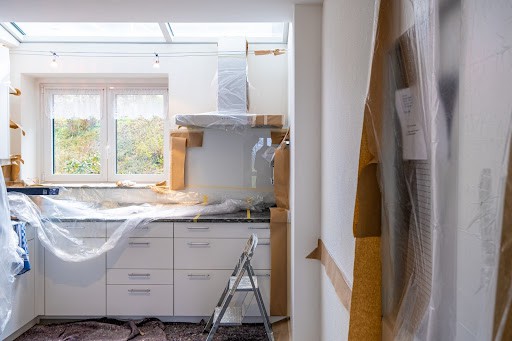
A photo of a kitchen area being remodeled with tarps and construction products.

Renovating your home is already a stressful time – worrying about your home’s security does not make it easier. The project could leave areas of your home compromised, materials out in the open, and maybe even more strangers in your home. It’s during this time that home security is most important! Luckily, we’ve created a handy guide to help homeowners navigate maintaining the safety of themselves and their belongings while they update their homes.

Do a Background Check on the Contractor

It is always wise to do a thorough background check on anyone who frequents your home, especially contractors. Background checks ensure that the contractor is credible and trustworthy.

If you opt-out of doing a background check, another good route is to ask friends and family for referrals. If someone you know had a great experience with a contractor, then it would only benefit you more to choose them for your project!

When in doubt, you can always ask the contractor for tips on securing your home during its renovation process. You can also inquire about recommendations they might have considered having ample experience renovating homes.

Avoid Giving Keys to Strangers

While it might make things easier, don’t give your contractor an extra set of keys for easy access to your home. Generally, a good rule of thumb to follow in regards to your house keys is not to give them to people you don’t know or trust.

 There are moments where you find it more convenient to let someone come and go as they please, but that gives them access to your belongings whenever they please. You also cannot verify whether or not they duplicated your key, so it’s best to be around to let them in whenever they need access.

Lock Your Valuables Away

Not only would keeping your valuables stored away during the renovation keep them out of the way from dust and debris, but it also ensures they stay safe. Locking valuable items away in a locked closet or a safe is the best thing to do whenever you have strangers in your home. 

You could always go the extra mile with large, expensive items and choose to rent a storage unit. A unit is a more extreme precaution to take, but nothing is too safe whenever it comes to maintaining your home’s safety! Exposed walls and new faces could pose a risk – it’s better to be safer than sorry.

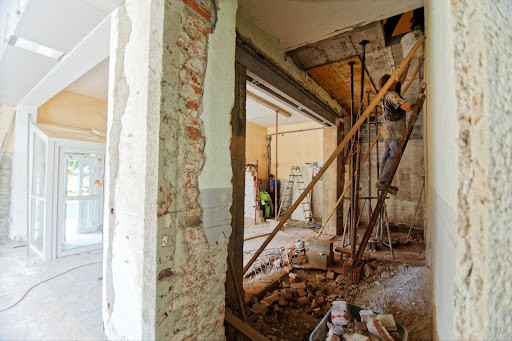
A photo of a home being renovated with exposed walls and a man on a ladder.

Update Your Security System

One of the most effective deterrents of theft is a security system. Nowadays, there are many different systems you can install in or around your home to keep thieves away. Most security systems allow for remote monitoring – even while you’re away from the project, you can keep a close eye on things.

If a full-blown security system doesn’t suit your needs, Pop-A-Lock has a handy security checklist that would help. This checklist serves as a security audit and will walk you through various points in your home to look over. It serves as a helpful guide in not only preventing break-ins, but also deterring them from your property.

Let Pop-A-Lock Rekey Your Home’s Locks

Lastly, the best form of precaution you can take during a home renovation is to rekey your locks afterward. Once the job is finished, rekeying the locks on your doors will solidify your knowledge of exactly who has access to your home. Rekeying ensures that the old keys do not give access to your home in case someone did get a hold of an extra set.

Pop-A-Lock makes rekeying your locks quite simple! Visit our website to make an appointment, then one of our expert technicians will come directly to your home to rekey your locks. We offer that and many other services that you’ll find very beneficial after remodeling your home. Check out all of our residential services by clicking here!

How Does Your Home Stand Up to Pop-A-Lock’s Security Audit?

When you leave your home for the day or return for the night, you probably remember to lock the door, but your safety efforts shouldn’t end here. There’s a lot more that goes unnoticed when it comes to your home’s security. With Pop-A-Lock home security audit, you can make sure that you and your home are safe at all times. However, it’s just as important to understand why these safety measures are important. Let’s take a run through of the top items on our security checklist to see how they can keep you safe.

Check All of Your Entrances

One of the most important things you can check when it comes to your home’s level of security is whether your doors, and all of their components, are properly installed. You may think that having proper locks on your external entrances is enough to keep you safe. While this will prevent criminals from simply walking into your home, unfortunately it is not enough to prevent them from breaking in.

In addition to checking the condition of your locks, it is just as important to assess the security of the door frame, the hinges, and the material of the door.

If your door frame doesn’t feel secure, you can install longer screws or a latch guard. Latch guards are metal plates that protect the weakest points of the door – the space between the door frame and the door itself. 

Additionally, if your door opens toward the inside of your home, make sure your door hinges are tamper-proof or peened hinges. Peened hinges are a very secure way of retaining the pin. 

If your door opens toward the outside, adding a security stud can help protect your door hinges. Doors that open outward have their hinge pins on the outside of the building. If a potential intruder removes the hinge pins, the security stud protects the door from being removed by locking the leaves of the hinges together.

A hollow wooden door can be easily kicked in. If possible, opt for a solid wood or metal door as these materials are much stronger. If you have a doggy door or a mail delivery slot, it’s vital to check whether the locking mechanisms can be reached through these spaces. Even if the locks are not accessible from a doggy door or mail slot, it’s still very important to close and lock these openings when they are not in use.

Secure Your Garage and Basement

More often than not, homeowners disregard the security of their garage door. The problem with this is that many people store a lot of their personal belongings in their garage, not to mention that your garage likely has a door with access to the rest of your home.

All entrances from the garage to your living quarters should follow the guidelines discussed above – they should have secure locks, door frames, hinges, and door materials. Additionally, avoid leaving anything outside of your garage that could be easily stolen or give potential thieves a clue as to what other valuables you may have inside your home.

You may also forget to assess how well your basement is protected. After all, without access outside, it may feel like the basement is already secure. However, in extreme cases if you have to hide from a criminal who’s broken into your home, your basement will be the safest space. For this reason, you want to make sure that any doors to your basement have effective locks, including a deadbolt, and that they fit snug within their frame. 

Double Check the Windows

Ensuring that your windows are working properly and have the proper security measures installed is not only beneficial in protecting you from potential thieves or criminals but also from general injury. This is especially true when it comes to windows on the upper floor of your home.

It’s important to check that each window in your home has a securely attached window screen. Whether the window opens up on a higher level, or out to a hazardous area, the window screen will keep the outside out and the inside in. You’ll also want to double check the locks on the windows.

Deter Criminals with Proper Lighting

At the end of the day, if your home is not well lit, all of your other safety measures will be less effective. A highly stable and durable front entrance is important, but if a burglar can easily hide in the shadows while finding a way to gain entry, it defeats the purpose. Ensuring that your front door is well lit is a must. Neighbors and passersby will be able to see your door clearly and so will you – quickly deterring away a potential thief.

This rule shouldn’t end at the front door, however. You’ll want to make sure the entire perimeter of your home has lighting – especially any secluded areas in the back or side of your lawn. Your exterior should be lit in the most logical places with a bulb that is at least 40 watts. It’s even better if you can install motion sensored lights – this is the best way to stay on alert of suspicious activity on your property.

You Can Lean on Pop-A-Lock to Keep You Safe

Auditing your home’s security can feel like an overwhelming task, but with a little guidance from Pop-A-Lock, you’ll be able to reassess your home’s level of security and implement some simple tricks to protect yourself from burglars or other criminals. For any help you may need installing new locks, rekeying existing locks, or walking through the overall safety of your home, your local Pop-A-Lock is always ready to help.

Safety Tips for Parents: Top Lessons to Teach Your Kids

Speaking to your children about safety is something that you cannot begin doing “too soon.” The topic of safety is crucial to learn as early as possible and is usually one that continues to be brought up all throughout their lifetime.

Teaching your children how to live their life while always considering safety is a great first step into the direction of giving them a healthy sense of independence. As a parent, it is always hard to see your children grow up, but discussing safety will help them learn about their own freedom.

When talking about your child’s safety, it can get complex and complicated. Keep reading to dive further into three areas of safety: in your home, in the community, and personal safety. By reading through some lessons you should consider teaching your kids, hopefully some will stick and you’ll be able to implement them starting today to ensure your child is living their life more safely.

Keeping your Home Safe

Your house is the one place in the world where you want to keep everyone and everything inside as safe as possible. It is also the place where you let your guard down the most. It probably feels normal to not hover over your children while home, because why would you? It is likely that your kids definitely reciprocate that attitude and probably don’t even consider things like “how do I maintain my own safety right now” while in the comfort of their own home.

Good lessons you can teach your kids is that no matter if you’re home or away, they are to never open the door for or talk to strangers. Go a step further and add that they are not to answer for anybody. Life gets complex, and creating the expectation that your children shouldn’t let people into your home, regardless of who they are, is a good rule.

Teaching your children the basics like knowing important information is a really good tip as well. The basics would be any beneficial phone numbers, how to contact 911, and their own address in case there’s a life-threatening emergency. 

There are steps as a parent that you can take to prioritize your kid’s safety at home. A few things you could do is install a security system. These systems will not only protect your children by giving you remote access 24/7, but they also serve to protect your home. You should also consider changing your locks if your home was recently purchased. This blog is a great resource for understanding the reasons on why this tip is useful.

Staying Safe in the Community 

Making sure your children are safe in the community follows some of the same guidelines as it would in the home – teach your kids not to talk to strangers, know important contact information, and so on. A few steps further would be to role play different scenarios that could occur in public. 

It may sound extreme, but playing out scenarios of what could actually happen if things went wrong in public could be a matter of life or death for your children. This goes for situations like kidnapping to scenarios like earthquakes, tornados, or fires. 

Maintaining Personal Safety

Personal safety is arguably the most important lesson you can teach your children. It will be the thing that your child will apply to all settings – private or public. As previously mentioned, safety is an ongoing conversation and this aspect will be important the older they become. 

Nowadays, social media is very prevalent and poses a major threat to the safety of those who use it. This blog on online presence even says that, “nearly 80% of burglars use social media to target their victims.” Teaching your children how to engage with others on social media, to vocalize their concerns, and always keep in mind the personal effects of social media-based interactions is a great way to keep them safe.

More Useful Resources

Pop-A-Lock has created loads of helpful tools to guarantee your family stays safe beyond the safety related conversations you’ll have with your kids. Along with this blog, you can find other useful pieces on how to ensure your home is secure as well as a handy security audit. This security audit will help you identify areas of your home that are susceptible to burglars and secure your home a step further in the event that you will ever need to rely on those measures to keep you and your family safe.

And, if you find yourself in need of a home, car, or personal safety revamp, your local Pop-A-Lock is here to help!

Why a Home Security Audit is Just as Important as a New Home Walkthrough

Purchasing a new home is an exciting milestone, but it comes with a lot of responsibility. We’ve all heard of a home walkthrough, but have you considered doing a security audit on your new home? A new home walkthrough is typically performed by a realtor, contractor, or homeowner before moving in. The purpose of this inspection is to ensure the home is free from defects and issues that could lead to costly repairs or homeownership headaches afterward.

A security checklist is very similar. It will help you get an understanding of your home’s existing level of security and point out vulnerabilities that need addressing. With this security checklist from Pop-A-Lock, you can have peace of mind, feeling safe in your new residence.

Examine the Entrances

First things first, check all the entrances to your home, including the front door, back door, and the door from your home to your garage. Check to make sure each door is made from solid metal or wood, as hollow doors can be easily knocked in. The door should also fit snugly into the door frame, and the frame should be tightly secured to the wall. Make sure your locks are working and that you have a deadbolt lock in addition to your doorknob or door handle lock. When moving into a new home, you may want to consider lock rekeying. This won’t require a whole new lock installation, but ensures that you know exactly who has access to your home. 

A photo of a bright, modern home. The shot is from the dining room into the kitchen and highlights beautiful, airy windows full of sun.

Check the Windows

Next, you’ll want to check all the windows in the house.  Windows should also be made from solid material and fit snugly into their frames. The windows may have locks but these can be broken, so check your windows for areas that are weak or can easily be accessed by burglars. You’ll want to take a look at the locks near the bottom of the window as well as those on the sliding glass. If you have a two-story home, or windows that open to a hazardous area, make sure these windows are lined with window screens.

Smoke Detector and Fire Extinguisher

Some other things to check inside the building are the smoke detectors and fire extinguishers. Make sure your smoke detectors are working properly and have new batteries. You can easily check whether your fire alarm is working by pressing and holding the test button on the smoke detector. You should hear a loud noise. If you don’t, you may need new batteries or an inspection performed on your smoke detector.

New homes are not always equipped with a fire extinguisher. Though it may feel like a pain to purchase a new one, it can be the difference between a quick fix and a disaster.

Update Your Security System

If you don’t already have a security system installed in your home, consider installing one as soon as possible. Most break-in attempts occur through easy access points like doors or windows. Having a security system installed will notify you if someone has broken into your home, or entered at a time when you’re not home. If your new home does have a security system, check that it is working, and more importantly, that you know how to use it. After all, a security system is only effective if it is used consistently.

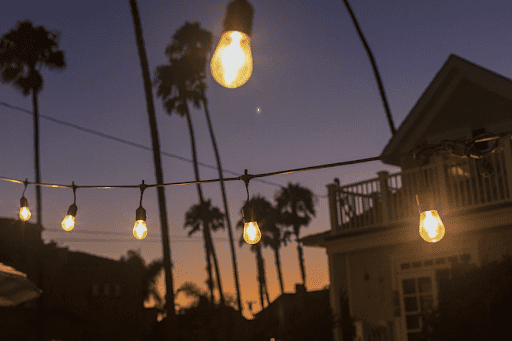
Photo of dusk where the sky is getting dark, but the horizon is filled with the sunset’s glow. In the image is a beach home with towering palm trees and outdoor hanging lights.

Keep the Perimeter of Your Home Well Lit

Now that you’ve checked some things inside the house, let’s walk around the perimeter of your home to make sure everything is in tip-top shape. You want to make sure the outside of your home is well lit on every side. This will make it more difficult for burglars to break in and harder for them to escape without being noticed. You want your lighting to be motion-activated, especially near the doors and windows where they are most needed.

Clean Up That Foliage

This may sound like a landscaping tip more than a security tip, but make sure your yard is well kept. Overgrown bushes and trees make for an easy hiding spot for potential thieves. You’ll want to trim your bushes up to the height of your windows so that you can see outside without obstruction.

Make Sure Your Address is Visible

It is also important that your numbered address is easily legible from the street. If plants are blocking their view, or the paint has faded over time, you’ll want to prioritize getting this fixed. Emergency services like the police or EMS need to be able to see your address clearly, in case of a burglary or health emergency.

A photo of many friends sitting on the ground outside around a short table. There’s a guitar and the table is decorated with drinks, food, and other festive items.

Know Your Community

Finally, get to know your neighbors. This may sound like it has nothing to do with the safety of your home, but it’s important in case anything should happen. Neighbors can keep an eye out for each other and inform you if there’s ever  unusual activity nearby. If you ever go out of town, you’ll want a trusted neighbor to have a spare key. This way, they’ll be able to do things like collect your mail and take out the trash to help your home look occupied.

This home security checklist will only take about 30 minutes of your time, but can make a lifetime of difference. Just like a home walkthrough, a security checklist can save you from financial burden. By checking off each of these steps, you can be sure that your house is protected from things like invasion and fire. Your safety is our number one priority – if you find yourself needing security systems installed or fixed, or locks rekeyed, don’t hesitate to call your local Pop-A-Lock! We’d be delighted to help.


How Your Phone Can Keep You Safe Inside and Outside of Your Home

Personal safety is one of the most important things you should prioritize focusing on. Fortunately, our phones play a huge role in ensuring we stay protected at all times. Our smartphones make controlling safety in our lives easy and accessible – most security systems today can update you on threats through your smart device. There are also apps that you can download to guarantee your safety away from the protection of your home.

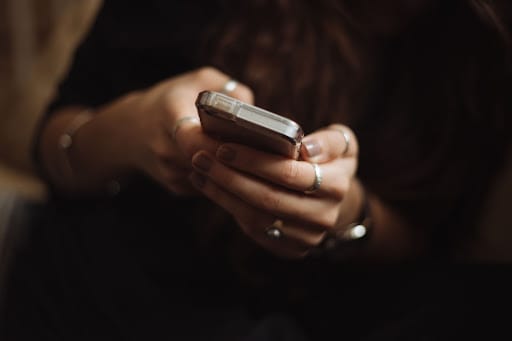
A photo of a woman holding a cellphone in her hands.

Here’s All the Details on Home Security Systems 

Your home’s safety can be jeopardized by burglary, natural disaster, house fires, and more. Luckily, you can stay up to date on situations that happen while away with the help of a security system. These systems communicate with your phone to alert you of danger and sometimes even contact the proper authorities before you realize an incident occurred.

Security systems work by using a variety of sensors placed around your home that monitor different types of threats. Some can be placed around windows in your home to monitor for broken glass, others send you an alert toxins are detected. A popular choice homeowners have opted for lately is surveillance cameras – these can be best used at your front door, inside your home, or all along the perimeter.

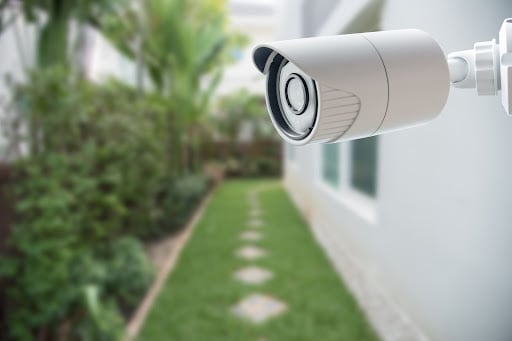
A photo of a security camera on the exterior wall of a house overlooking the side of the house and the yard area.

How Can Your Phone Keep Your Home Secure?

The technology that security systems use is very advanced and gives you the satisfaction of immediate protection when needed. Often, you can open the system’s app on your phone and control certain features from your smart device. This means that the next time you forget to lock your door or close the garage, just one tap on your phone will take care of it! 

Streamlining your home’s protection is never considered an unwise decision. Studies have shown that having an alarm system deterred 60% of burglars once they saw it. If that isn’t enough proof that security systems are crucial, another study showed that homes without a security system were burglarized 300% more often than those with one. Those statistics should make you realize that investing in effective and accessible security for your home is essential.

Your Phone Can Also Save Your Life

It’s a wild thought – the same device that calls your mom or gives you directions to brunch can be what saves your life. In the middle of a life-threatening situation or moments after a natural disaster strikes, your smartphone may be your only chance at survival. Androids and iPhones have a handy feature that sends your location to a 911 operator if you can dial the number on your device. This feature is helpful for those in situations where their life depends on being quiet or not speaking. 

Maybe the threat you find yourself in is from a natural disaster. In this case, your phone can provide help by giving you a set of helpful resources for whenever things may not be functioning properly. After intense disasters, many phone lines could be damaged, so relying on an SOS style app might be the only way you’ll be able to communicate with others. Downloading any of these apps would be wise if you live in a hotspot for natural disasters or know that one is approaching.

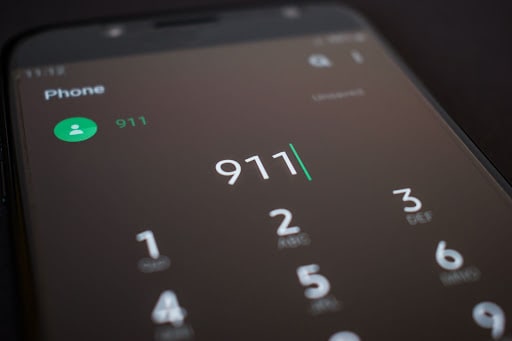
A photo of a phone screen on the dial page with “911” typed in, ready to dial.

Can Pop-A-Lock Help, Too?

At Pop-A-Lock, we are dedicated to putting your safety first – that’s why we offer services day and night, year-round. If your home’s safety was recently jeopardized, then you might want to consider giving us a call. Rekeying your home after purchasing, once a roommate moves out, or after a break-in will help ensure overall security. Our technicians are background checked and are highly trained to provide you with the best service possible. 

We also offer a free security audit that you can do today! Running through this checklist will help you identify weak areas in your home and ultimately address how to improve them. Our team is always available to help you double-check any areas of concern you may have and can even guide you through solutions we offer, like a new security system!

Call Us 614-424-6736