614-424-6736

How Your Secrecy Can Be the Best Security Layer

How Your Secrecy Can Be the Best Security Layer

screen privacy

When it comes to protecting your data and your workplace, there are many options for business owners. Your organization can invest countless hours and funds into procuring the best security solutions and systems, but at the end of the day, you may very well be missing one extremely crucial aspect of security. Organizations and businesses run on people. Ensuring that your employees can be trusted to protect your business (the same way that your security system does) can be game-changing, and can help avoid some very sticky situations.

tinted computer screen

Secrecy vs. Privacy

As we progress further and further into the digital age, it becomes increasingly clear that in actuality, privacy is the pinnacle of security, not secrecy. Though it may seem like a matter of semantics, these two words have very different meanings when defined:

  • Secrecy is hiding information that can be otherwise easily obtained through simple observation or analysis, while
  • Privacy is preventing the information from being intercepted when it is being shared between two or more parties, especially online.

When put into the context of security (especially digital), we can see that privacy measures are put into place to ensure secrecy. Therefore, you cannot have one without the other. That being said, let’s look at some of the things you and your employees can do about privacy!

anyone can see your screen

Privacy through Confidentiality

Privacy in and outside of the workplace can have a great impact on the overall security of your business’ information. This is also where educating your employees on how to protect confidential information comes into play. For example, if your organization has added layers of security on the premises (such as electronic access control or keypad locks) it is important that employees and management alike are taught not to give out any information that can be overheard or seen by outside individuals. This includes keypad combinations, the location of the business, and even what kind of security precautions have been taken. Having this information, no matter how insignificant it may seem, can aid an individual with malicious intent to have unchecked access to your organization’s information.

That being said, if one of your employees must give out information of this nature, be sure to educate them on how they can do it safely. This includes things like:

  • Not saying passwords, combinations, or giving insights about security protocols out loud, especially in public settings.
  • If sending private information online, be sure that the Wi-Fi network that is being used is a secure one. If no secure network is available, use a trustworthy VPN.

Why Personal Privacy Matters

Privacy and secrecy must be kept in mind, no matter if you are part of a highly specialized organization, or just want to further ensure the security of your personal information. Oftentimes, access to personal information, especially digital, means a way into your workplace data.

Protecting your personal information can be as easy as keeping passwords and login information organized. To read more about how you can do this, check out From Our Lock Experts: How to Organize Combinations and Passwords.

How to Keep Your Belongings Safe in a Shared Space

How to Keep Your Belongings Safe in a Shared Space

safe shared space

Dorms

Keep your room door locked

Agree with your roommates to always keep the dorm room door and windows locked. It only takes a few seconds for a thief to take thousands of dollars of expensive items like your laptop, iPad, jewelry, and even expensive school books.

Don’t leave valuables out in plain sight

Thieves are opportunists and are looking for items to steal. Hide your cash, purse or wallet, jewelry, laptop, and any other important items when not in use. “I trust my roomie but when she has people over, I put my stuff away. Leaving my wallet and electronics laying around is too much temptation,” says USC student Paige Abbassi.

Keep an inventory of all your valuables

Keep photos and serial numbers of your valuables. In the unfortunate case that you or your roommates become victims of a dorm theft, being able to provide campus police with a list of stolen items and their descriptions may increase the odds that they will be recovered.

Get insurance

Should a loss occur, having insurance can help you quickly replace stolen items without a huge cost to you. Your parents’ homeowners insurance policy may cover your dorm room valuables at no extra cost. College Student Insurance provides dorm room policies to cover your valuables.

Coworking Spaces

Coworking spaces are known for being cool, trendy, and flexible places to work. Whether it be freelancers, startup companies, large businesses, part-time hobbyists, or remote workers, coworking offices attract a wide range of people coming from a variety of backgrounds. As such, they need to accommodate each type of worker accordingly, ensuring that the space is not only a nice environment to work in, but is also suitably protected.

Businesses need to protect their company data and trade secrets, after all, so keeping their working environment secure is vital. From cybersecurity threats to physical thieves, there are a number of ways in which coworking spaces can be breached. Make sure yours isn’t by implementing these three methods.

Protect your network

Despite the fact that coworkers can work across a plethora of industries, it only takes one bad member to compromise the data of hundreds of others. Therefore, establishing a strong and secure network is key to preventing this – keeping all your coworker’s digital information safely protected.

Hackers tend to target Wi-Fi networks so, rather than hosting all your co-workers on the same network, allocate each of the credentials and a unique password. Alternatively, take it one step further and set up individualized networks for each of your members. This ensures that even if one network gets hacked, the others won’t be affected.

Also, think about investing in an electric timer to shut off Wi-Fi access overnight when nobody is there to keep an eye out on it.

Lock your doors

A pretty obvious one, but having effective physical security measures is just as important as having online protection. For example, having high-quality locks on your doors, windows, and storage cabinets can go a long way in keeping your coworking space secure.

Likewise, access to the building should only be given to members who actually work there. Whether this access solution is smartphone-based or utilized using access codes/smart cards, granting individual admission to users is probably the most foolproof way of ensuring important data stays safe.

Plus, thanks to cloud-based access control systems, you can now control who has access to certain rooms and areas in your coworking space. You’ll also be able to keep a log of who logged in, meaning you can stay on top of the inner goings-on in your office.

Watch out for theft/damage

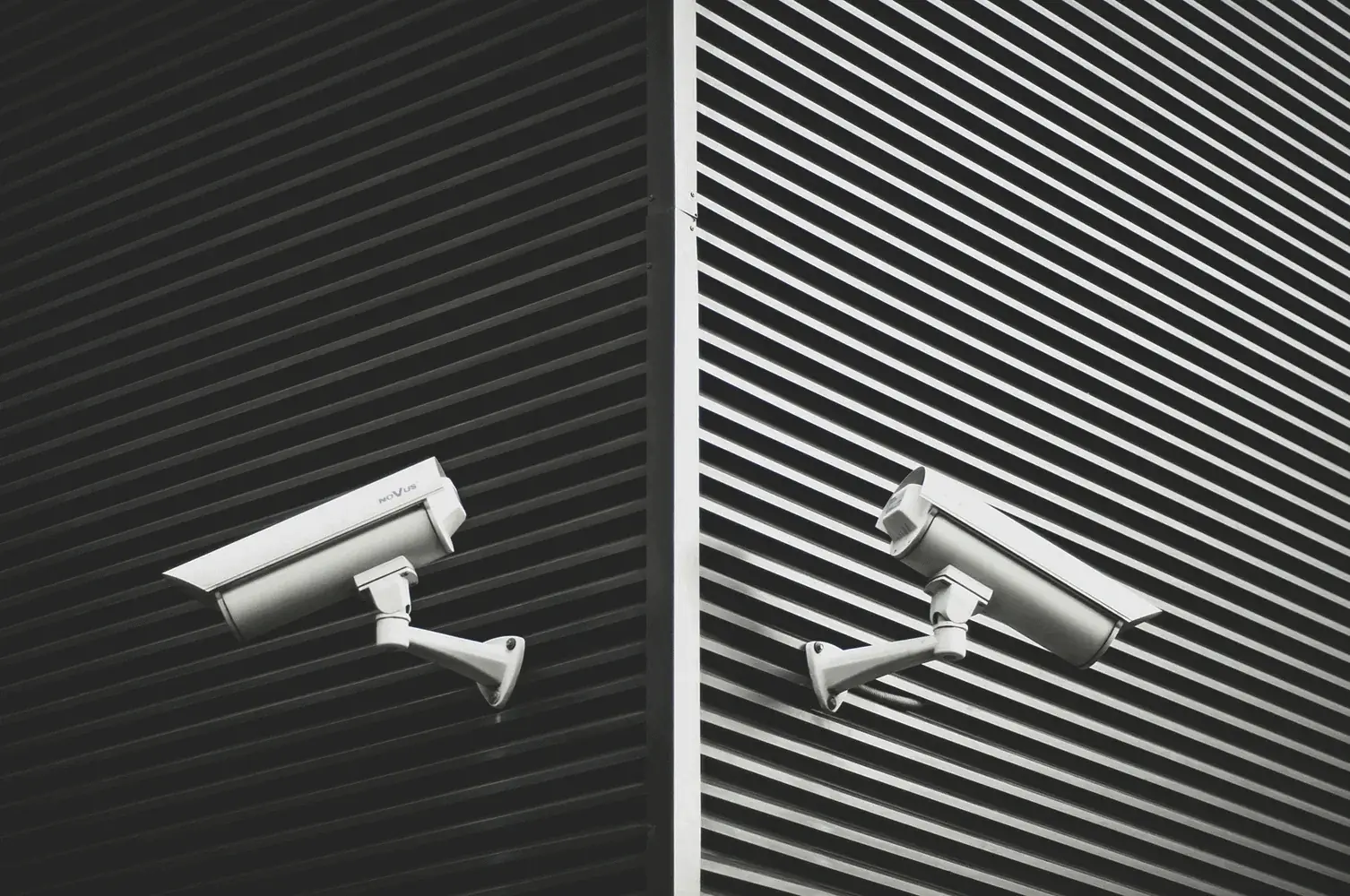
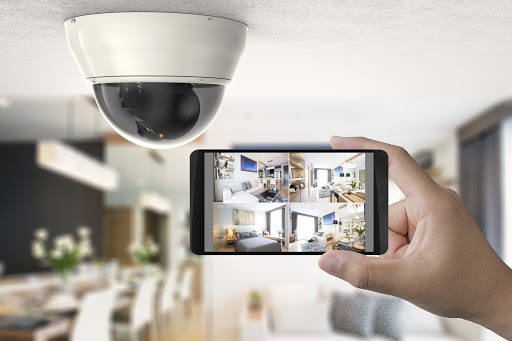
Another fairly obvious security system to have in place is CCTV. Even in the most loving communities, belongings can get lost or stolen so, with a surveillance camera in place, it’ll make it that much easier to rectify issues. Not only that, but it takes the pressure off you need to physically be there all the time – smart surveillance systems allow you to monitor office activities via Wi-Fi when you are away.

You should also install an effective fire alarm system and have it checked regularly. The last thing your coworkers need is for their data to be unintentionally destroyed through insufficient fire safety at your office.

Bike Safety: Security and Storage Tips and Tricks

Making Your Bike Theft-Proof

bike tire assembly

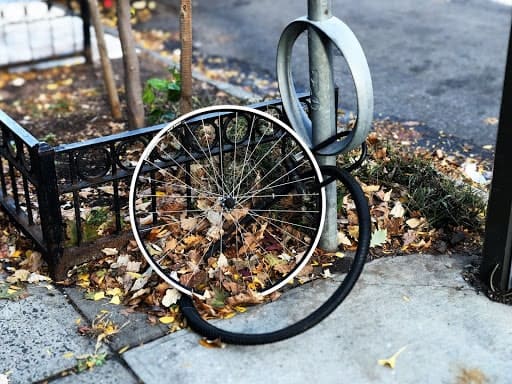
Whether you commute by bike every day or are more of a casual hobby rider, the possibility of someone stealing your bike is always a looming threat. Fortunately, there are a lot of great security and storage options available to protect your bike as best as you can. We’ve compiled some of our most trusted tips for bike safety, security, and storage, so you can feel confident knowing your bike is protected.

Bike Security

prepared with bike lock

Types of Bike Locks

Bike locks come in a variety of shapes, sizes, and security levels, so knowing the differences between them is an important part of choosing the best one for you. 

U-Locks: Also called D-locks because of their shape, these locks are some of the most highly recommended for cities and other high-density areas. U-locks are incredibly strong and are unable to be cut with bolt cutters but aren’t overwhelmingly heavy, making them a great choice for most people. At first, it can certainly feel awkward trying to secure your bike with a U-lock because of its shape and inflexibility, but it gets easier with a little practice. Unless your U-lock is particularly large, you’ll need to lock your bike to relatively thin posts, bike racks, railings, etc, which can make finding a spot to park a little more challenging sometimes. 

Chain Locks: Offering high levels of strength plus greater flexibility in movement, chain locks are tough to beat. The thick, reinforced chain is difficult to cut but can easily be wrapped around multiple parts of your bike before securing it to a rack or other post. Depending on the size and shape of your bike, you might even be able to secure the bike frame and both tires using only one chain lock. The major drawback to chain locks, however, is that they’re quite heavy, so in opting for high security and flexibility, you lose out on it being lightweight. 

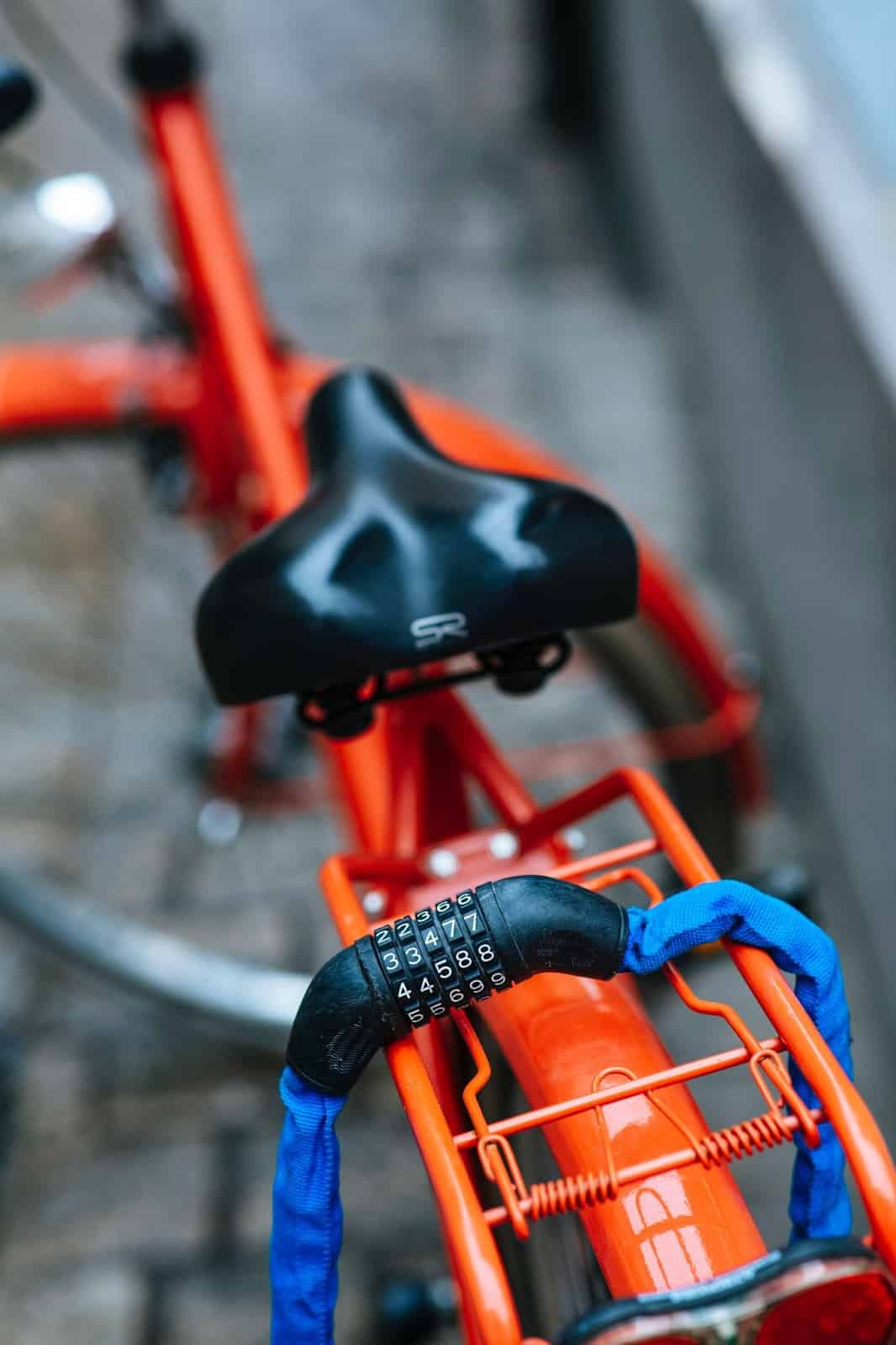
Cable Locks: By far the most common kind of bike lock, cable locks are also the most affordable option. You can choose between combination locks — which are great if you have a tendency to lose keys — or keyed locks — which are a solid bet if you have trouble remembering lock combinations. However, cable locks are incredibly easy to break and cut through with simple tools, making bikes locked with them a very easy target. That’s not to say you should never buy a cable lock, however, they’re not the most secure so are inadvisable for many areas.

bikes locked up

Lock Your Bike Like a Pro

Now that you’ve invested time and money into choosing a good bike lock, it’s time to learn how to use it correctly. A strong, sturdy lock can lose most of its efficacy if not used properly, meaning you could have the toughest lock on the market, but if you don’t lock your bike smartly, someone could still manage to steal it. The following guidelines should help ensure your bike is well protected: 

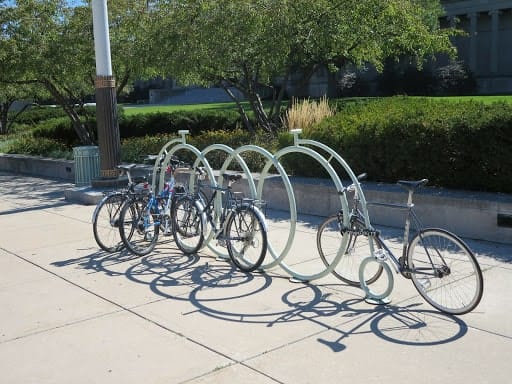
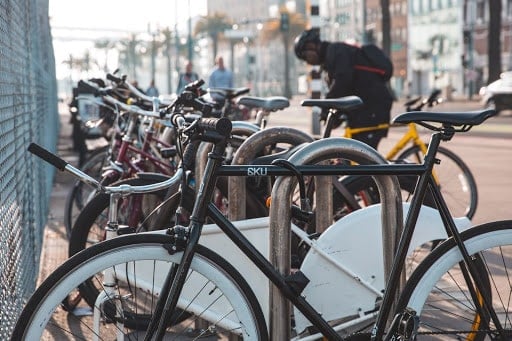
  • Make sure your bike is locked to a fixed, immovable object like a post or bike rack that is cemented into the ground. Otherwise, someone could lift up what your bike is locked to and slide the lock right off. 
  • Try to include as many parts of your bike inside the lock as possible. Always start by locking the frame to the rack and then try to get a tire in as well if possible! If your lock allows, securing the frame and both tires to the stationary object is ideal. 
  • Park your bike in the middle of the bike rack. The ends of the rack offer the most access for a potential thief to break your lock and make off with your bike. 
  • Use multiple locks if necessary. Some U-Locks come with an additional cable lock that can reach and be looped through the front tire. If you’ve secured your frame and back tire but are worried about someone making away with your front tire, you could opt for 2 U-Locks instead. While 2 U-Locks are more secure, this method also ends up being much heavier because of the weight of both locks.
  • If you have a keyed lock, try and angle the key slot towards the ground. This simple tip makes it much more difficult for someone to pick the lock or tamper with the locking mechanism.
bikes in a row

Bike Storage

While parking and locking your bike in public places can seem the riskiest, 50% of bike thefts actually occur on private property. It is imperative to always lock your bike, and lock it well, even around your home. If you are able to store your bike indoors or have a private garage, that is ideal, but realistically, many people don’t have either of those options available to them. Communal storage facilities in some apartment buildings are an excellent option as long as you are diligent about locking your bike after each use. 

The extra couple of minutes it takes to lock and secure your bike can be annoying or frustrating, but it is so much better than having your bike stolen or damaged.

bike lock

Pop-A-Lock is Here to Help

The reality is, even if you do everything right and try to make your bike as secure as possible, your bike still could get stolen. No lock is 100% unbreakable or impenetrable, so if someone does manage to get through your lock and deterrent strategies, it can be incredibly frustrating. 

We also know that sometimes we make mistakes ourselves — losing keys, forgetting combinations, locking ourselves out, you name it. If you find yourself needing a professional’s help to get out of a sticky situation, call your local Pop-A-Lock; we’re always here to help.

Solutions to the Top Security Camera System Questions

Solutions to the Top Security Camera System Questions

security cameras

There’s no training for becoming a homeowner and the avalanche of maintenance questions that follow. Besides, between mortgages, chores, and pesky HOAs, there’s hardly time to worry about whether a simple door alarm is enough to secure your property or if a hair-width crack in your wall means the foundation is going under. 

While we can’t speak to the latter problem, as home safety experts, we can provide solid answers on your pressing security system questions, no matter how small. In this article, we’ll address the five most common home security system questions (per Google search results), hopefully putting your safety worries to rest for good.

Security System Q & A

Q:  What should I look for when buying a house alarm?

A: First, let’s break down the difference between burglar alarms and home security systems, as the two are easily confused. 

Burglar alarms are individual, self-monitored units intended to alert you in the case of a break in. Security systems, on the other hand, may involve alarm units or other security equipment, but these materials are provided through a security company which then provides some form of 24/7 monitoring, such as calling the police when an alarm is set off. 

So, if you’re considering a house alarm system, you first need to determine if DIY, individual alarms and sensors are right for you, or if a monitored security system is more suited to your family’s needs. Though the former is cheaper, it only alerts you to nefarious activity after a trespass has occurred, not to mention it only works to deter crime if you’re home or near enough to hear the alarm. The latter, though more expensive, is probably more cost effective since, for a monthly fee, you receive 24/7 monitoring in addition to multiple pieces of security equipment, such as alarms and security cameras.


Q: What are the top 5 home security systems?

A: Though answers to this question vary based on personal preference, after browsing Consumer Reports and numerous other online rankings, we’ve compiled a list of what we believe to be the best home security systems on the market, in no particular order: 

  1. Vivint Security — best in smart home security
  2. SimpliSafe — best overall DIY security system 
  3. ADT — best in experienced professional monitoring 
  4. Cove Security — best in customer service
  5. Adobe — best in DIY smart home security

That said, this is merely our opinion, and we urge you to evaluate your family’s needs and conduct your own research before landing on any one system.

smartphone cctv

Q: What should I ask a home security company?

A: Great question! Before committing to any one security company, you should read up on their services, equipment, and customer service, weighing what you find against your family’s needs. Once you’ve landed on a couple security services, the next step would be to research or ask a company representative several of the following questions:

  • How long has the company been in business? While you might save money in using a newer company, you should only trust more advances security system monitoring and installation to reputable companies with years of experience.
  • Is the company fully licensed? Just because the company exists doesn’t mean it’s licensed. To ensure you receive the utmost quality, call to verify that your security company is licensed for business with state and local governments. 
  • What is the company’s average response time to alarms? In security, a great response time is considered 60 seconds or less. 
  • How frequently does the company test their systems? This involves regular check-ups to ensure all equipment is working properly. Here, the gold standard is once per month. 
  • What measures does the company take to ensure client safety? This question covers a range of customer safety concerns, from whether the company is fully bonded to whether the contractors who install the equipment receive background checks. Evaluate your concerns and ask accordingly. 
  • Does the security equipment have a warranty? All good things must end and, with electrical equipment, the final act may be closer than you think. Be sure to inquire on the length of the warranty and whether or not your security provider offers free installation/repair. 
  • Can the company provide information to share with homeowner’s insurance? In most cases, showing proof of a security system should lower your monthly premium. 
  • Does the company offer systems with advanced safety features? This includes remote access, cellular monitoring, video services, and email/text/phone notifications. 

Q: What’s the difference between surveillance cameras and security cameras? And what’s the difference between unmonitored and monitored security systems?

A: (Yes, we slightly manufactured this double question, but we think the answers to both are pertinent and somewhat related.)

Security cameras record video footage which are then translated into signals and sent to a remote monitor, whereas surveillance cameras operate on IP networks which link the remote camera to an assigned security location. The latter also typically implies the use of a third-party security monitoring professional.  It follows that if you’re installing video cameras on your property, unless they’re heavily monitored by your security company,  they’re almost always security cameras. 

Regarding security systems, monitored systems are actively monitored by a home security company. This means that if there’s a break in, trespasser, or other equipment-triggering emergency, the security team is immediately notified. Conversley, unmonitored or self-monitored systems involve security equipment you or a contractor installed, which you are then in charge of monitoring. 

These differences are important to note when researching security systems and selecting one that fits your safety needs. 

Q: Should I get window sensors?

A: In other words, are window sensors worth it? We think so, though neglecting to install these small alarms won’t result in a huge dent to your home’s overall safety if you have other security equipment in place. 

According to ADT, 23% of burglars use first-floor windows to enter a home — an alarming statistic indicating the importance of both locking and securing your windows. Window sensors can either alert you if your window is opened or if your glass breaks. Though most home security systems offer window sensors either separately or as part of an equipment bundle, it’s also relatively cheap to purchase these sensors independently.

cctv installation

We Know Security is King

As expert locksmiths, we know proper home security starts at the front door, but it doesn’t stop there. Ensuring your family has the best in protection means scoping your entire property for potential blind spots, and then finding ways to fortify potential weaknesses. If you’re looking for a blueprint on this search, look no further than Pop-A-Lock’s free, DIY security audit, found here.

The Best Ways to Secure Your Garage or Parking Location

The Best Ways to Secure Your Garage or Parking Location

parking lot

Despite being incredibly valuable — probably our most valuable asset — cars are often left outside, unprotected. This is even more surprising when considering that, according to the Bureau of Justice Statistics, more than 1 in 10 property crimes occur in parking lots or garages. The reason for the frequency is simple: home garages are easy to break into, while public or private business garages provide ample coverage and target options. Given the prevalence of automotive crime, we clearly have a lot of work to do when securing our idle vehicles. 

Here, we’ll cover our top safety tips for when your car is parked in your garage, a public garage, and a business’ private garage.

Home Garage Security Tips

Personal garages are home not only to one or multiple cars, but also lawnmowers, lawn equipment, sporting gear, decoration storage, and much, much more. With all these valuables in one location, it’s surprising to consider that home garages are the most vulnerable part of a home’s structure and are a frequent entry-point for invaders. As such, it’s important to consider beefing up your garage’s internal security and not becoming too relaxed when handling garage-bound items. Here are some things you can do:

  • Always Close the Garage Door

The most common cause of garage burglary is a simple mistake: leaving the door open. The fix (closing the door, of course) might seem simple enough, but it’s important to diligently practice closing your garage door every time it’s opened, in addition to locking the house door inside the garage. 

  • Secure Garage Door Windows

Although it’s better to not have garage door windows at all, the second-best option is to secure these openings. Since thieves often use garage doors to scope out a property’s offerings — or even as a means to enter the residence — placing a dark tarp over the glass could work as a great deterrent to both issues. 

  • Install Floodlights

Most thieves target home garages because they know it’s the place most likely to be neglected by property owners. Prove them wrong by installing motion-activated floodlights. Not only will these shed some much-needed light on nefarious activities, they also lend the impression of greater security surrounding the garage area. 

  • Hide Keys and Garage Openers 

Often, homeowners will leave their car keys or garage door openers in cars parked in outside driveways, assuming their neighborhood is too safe for burglary. Be smarter: thieves can target nearly any neighborhood of their choosing. As such, it’s important to bring your keys inside every time you return home.

  • Install a Garage Alarm System

When installing alarm points in your home’s security system, don’t overlook your garage! Having a motion-activated alarm can both alert you to shady activity and scare off thieves.

drive way

Public Garage Security Tips

Although public garage security is largely out of our control, that doesn’t mean we should leave our well-being to chance. Here are three important steps to securing your car in a public garage:

  • Look for Visibility

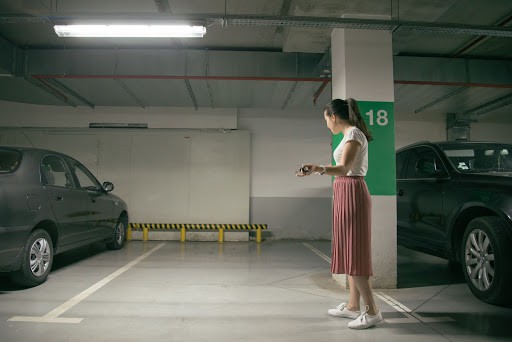
When selecting a parking spot in a public garage, be sure to choose a spot with great visibility, meaning plenty of light and space. Thieves love to target cars parked behind shadowy columns, or cars parked away from fellow travelers since they’re less likely to be spotted. Luckily, you can avoid this situation altogether by parking among other cars in a spacious, well-lit area. 

  • Always Lock Behind You

A simple mental slip — forgetting to lock up when in a public space — can result in a huge expense for vehicle owners should a burglar break a window or, heaven forbid, steal your car. Stay present when leaving a public garage and wait to hear the beep! of your car locking behind you. 

  • Secure your Possessions

Do as the common parking lot security sign says and lock your car, take your keys, and hide your belongings. Prowling car burglars are more likely to target a car with valuables on display, so be sure to stash any laptops, purses, and shopping bags under seats or portable blankets when locking up. 

Business Garage Security Tips

Business owners have an obligation to provide safe parking to employees and customers alike. Failing to do so could result in an immense amount of personal guilt, not to mention losing out on greater patrons and workers. To provide top-notch security and safety to whoever leaves their car at your doors, we recommend the following: 

  • Install Emergency Stations 

These security devices are the large, metallic boxes with blue lights you sometimes see near parking garage elevators or exits. A small dial box allows garage attendees to easily alert security or law enforcement in case of an emergency. Given the added safety emergency stations provide, it’s not surprising that the mere presence of one or two boxes on each garage floor can be enough to reassure drivers that their car is in good hands, while also deterring potential thieves. 

  • Access Control / Install Security Gate

If your business parking is exclusive to employees or if you’d like to keep an eye on the clientele entering your garage, installing an access card station or security booth is the way to go. Assigning parking garage access cards to each employee to be used at a corresponding entrance booth ensures that each person entering actually works at your establishment. A security gate, on the other hand, could perform the same function with the added security of on-hand security personnel to deter on-foot intruders, or used more casually in order to ensure people entering are true customers. 

  • Install Video Surveillance 

Having a visible, video surveillance system throughout your garage is a fantastic way to both deter thieves and monitor suspicious activity. With a 24/7 security team on standby, situations that would turn dangerous can be quickly identified and de-escalated. 

empty parking spot

We Have Cars On Lock

When most people think “locksmith,” they think of people who repair locks on homes and businesses, and they might be right. But when it comes to Pop-A-Lock, this definition should be expanded to include automobiles and overall personal security. No matter if you need car rekeying, key fob duplication or your door is in a jamb, we’re here to help. Check out more of our services here: https://www.popalock.com/automotive/

How to Secure Your Pet Door Against Burglary

How to Secure Your Pet Door Against Burglary

pet thru door

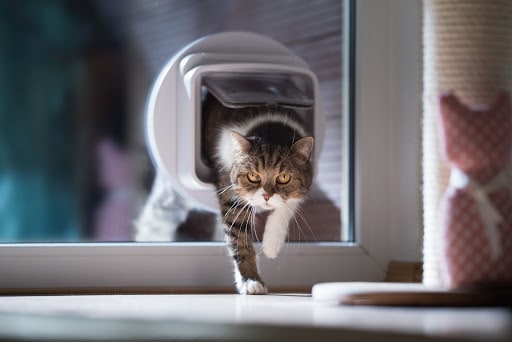
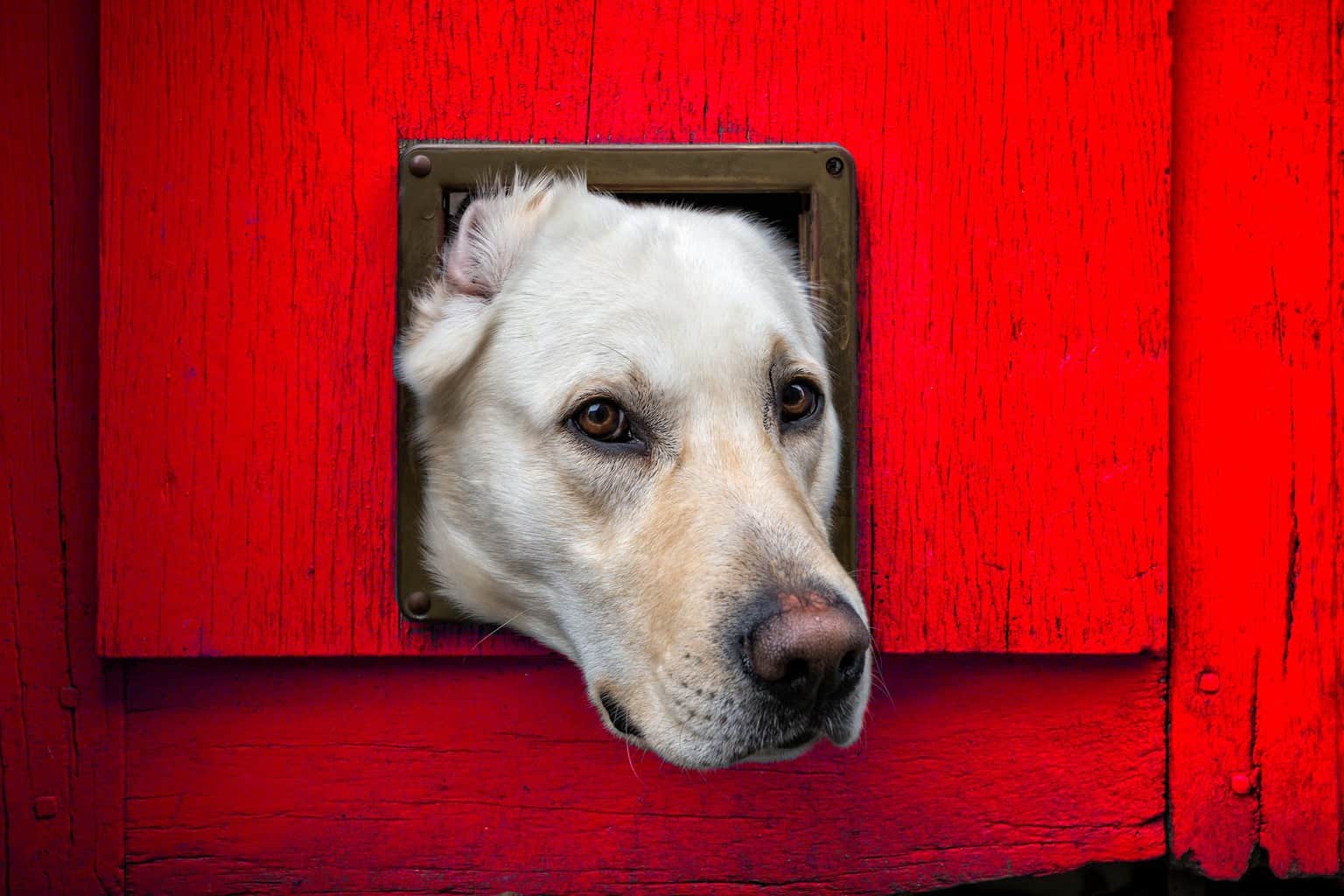
While pet doors are a fun way to give your pet more freedom to run around, they can also be seen as an invitation by unwanted guests, such as burglars, to enter your home. Fortunately, there are ways to limit the usage of a pet door to just your cat or dog. Keep reading to find a few tips and tricks on how to ensure your pet door stays a pet door.

pet door

Smart Installation

The first step is to buy an appropriately sized pet door. Your furry friend should have just enough room to enter and exit comfortably. If your dog is larger, solutions 3 and 4 may be more beneficial for you. 

That being said, when an intruder is attempting to enter a home through a smaller pet door, they aren’t simply squeezing through. Rather, they often use the pet door as a way to reach door handles and locks, effectively letting themselves in.

  • Solution 1: Try installing your pet door into a wall, not a doorway. This will give intruders no way to reach through the pet door and grab a door handle or lock. Having a pet door installed into a wall can also give you an opportunity to conceal the door, such as positioning it amidst shrubbery or bushes.
  • Solution 2: Try out a doggie door that only opens when your pet’s collar is near it. There are several of these on the market, and they work in different ways, ranging from magnets to RFID chips.

If an intruder were to somehow manage to find your pet door, or begin an attempt to get through, there are still some things you can do to deter them from snooping around any further.

  • Solution 3: To scare away unwanted visitors, consider investing in a security alarm for your pet door. Many of these alarms are weight-based, so all you need to do is gauge the weight of your pet (or your heaviest pet) and get an alarm that will be triggered by anything heavier than them.
  • Solution 4: Another way to discourage burglars is to install motion sensor lights in the area around the pet door. From the perspective of an intruder, a light turning on inside of the house means it is possible someone is home. You may also want to install cameras in the area, to track any suspicious activity you may be noticing.
doggy door

Additional Steps

If you have a pet door, there are other ways to secure your home against burglary that do not directly relate to the door itself, but can still deter intruders.

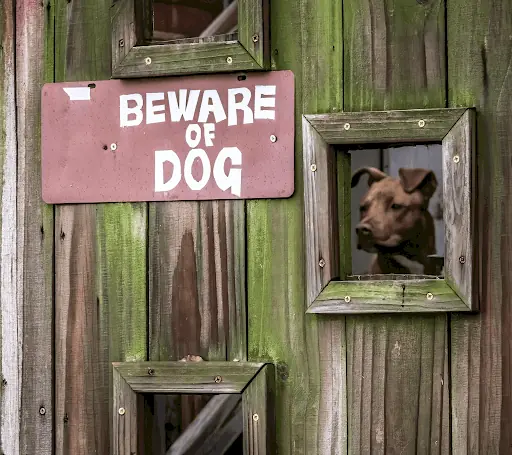
  • Solution 5: Purchasing a ‘Beware of Dog’ sign (even if your dog is a complete cuddle bug) can scare off criminals. When a burglar is assessing a potential target, they will look at outside elements and put together a complete story of what may be awaiting them inside the home. Adding a warning sign, whether it be a ‘Protected by [security company]’ or ‘Beware of Dog’ sign can discourage intruders.
  • Solution 6: If your pet door is located in the back of the home, fortifying your fence is an option. This can be done by making it too tall to see over or climb, or installing spikes that make it uncomfortable to climb.
beware of dog

Ditch the Doggie Door

If none of the above solutions are applicable to you, consider getting rid of the pet door entirely. Instead, train your pet to tell you when it wants to go outside or come back in. This will allow you to have a greater sense of security in knowing that there is one less vulnerable area in your home that can be accessed by intruders.

5 Reasons Why People Lock Themselves Out of Their House and How to Prevent It

5 Reasons Why People Lock Themselves Out of Their House and How to Prevent It

waiting on stairs

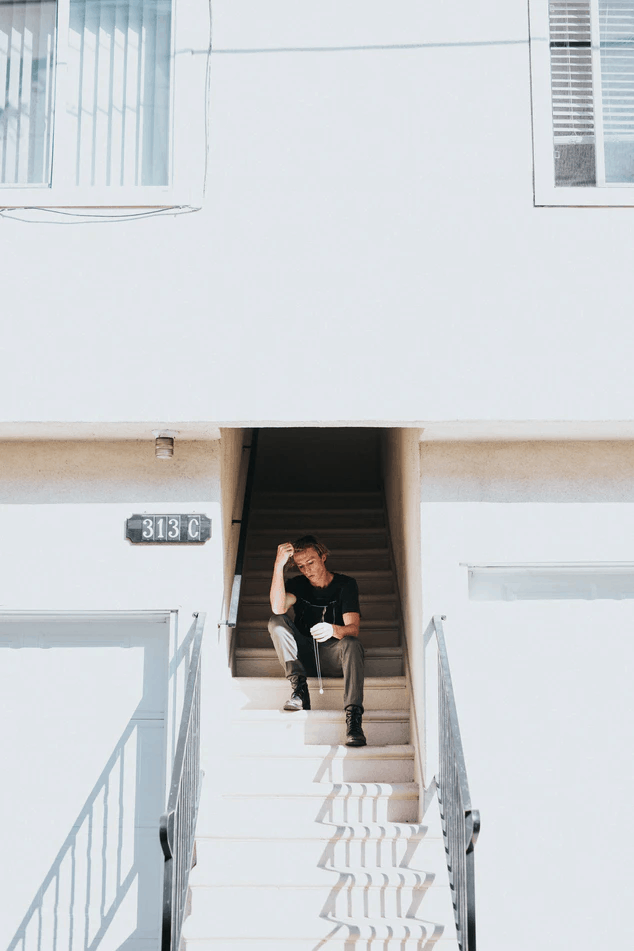
You think it’ll never happen to you until you’re standing at your front door, groceries in hand, only to realize you have no way of getting back in. For one reason or another, your keys are MIA. You’re locked out. This is a common predicament, and it can happen to even the most vigilant adults. Before resorting to breaking in, learn the main reasons people get locked out of their homes, and what you can do to prevent a lockout.

key on ground

Top 5 reasons for lockouts

  1. Lost keys: Though most of us run through the “wallet, phone, keys” check when leaving home or running errands, in the hurry of everyday life, it’s easy to set your keys down only to forget to pick them up again. Due to their size and weight, keys are also liable to slipping out of our hands and pockets unnoticed. Because we’re accustomed to having our keys on us at all times, we may not even realize they’re gone until it’s too late.
  2. Leaving keys inside: You don’t need to lose your keys entirely to get locked out. In many cases, all it takes is forgetting to bring your keys outside when you’re locking up. Many residences have automated locks that seal the door as soon as they’re shut, key or no key. Even if your door isn’t fitted with any fancy gadgets, most exterior doors have two locks: the standard door lock and deadbolt. The standard door lock and be set from the inside and lock the moment someone pulls the door shut. It’s in reaching for your deadbolt key, however, that you realize your pockets are empty, the door is sealed, and your keys are sitting safely inside.
  3. Damaged or broken keys: They may be made of steel or brass, but keys aren’t indestructible. Over time, the teeth on a key become worn down, making it difficult for the notches to catch inside the lock. This, combined with excessive force, can cause keys to break inside the lock itself, leaving residents with no way to turn the lock and open the door.
  4. Door jambs: Houses and apartments are unpredictable. Whether through drastic temperature changes or moisture, door frames can expand and contract, causing them to become stuck. Locks can also become jammed through rust or constant wear. In these cases, even if your key is in prime condition, there might not be a way to get your door unstuck without damaging it.
  5. Stolen keys: In the worst case scenario, keys and key rings can be stolen off our person or taken when we leave them sitting around. If you don’t have a spare, you could be left with no option of getting back into your home.

Step one to preventing a lockout: don’t get locked out

Though we’re in the business of busting locks, if we could prevent home lockouts — and the embarrassment and stress that comes with them — we would. You might not be able to protect against broken keys or door jams, but following these useful tips could help you avoid all preventable lockouts:

  • Limit all keys to one key-ring. It may be bulky and slightly difficult to carry around, but having a single ring for all your keys results in less items to keep track of, in addition to being harder to lose.
  • Set a designated drop-off point. Having a small key dish or hook near your front door can serve as a reminder to bring your keys with you through all your comings and goings.
  • Make a spare key. In the unfortunate case of a lockout, it’s handy to have a spare key either on your person or stored in a secure location outside your residence. Duplicate keys can be created at most hardware stores or through key copy kiosks. You can then hide your spare in a secure location, or store it in a covert outdoor key-holder (these are often disguised as rocks or sprinklers).
  • Have a mental check-list. Remember the “wallet, phone, keys” check we mentioned earlier? This may seem like a no-brainer, but doing a simple check for your valuables before you return home can help you keep track of your possessions and alert you to any missing items.
key door

Stuck? Pop-A-Lock is on it

So you’re locked out. (We get it, nobody’s perfect). Before kicking down a perfectly fine door or smashing a window, give Pop-A-Lock a ring. Through our 24/7 lockout service, we’ll dispatch a locksmith to your location and get you back into the comfort of your home in a flash.

How To Accommodate Your Business to Your Furry Friends

How To Accommodate Your Business to Your Furry Friends

pet door

Preparing for Fido

There are several benefits of being a pet-friendly workplace including a higher sense of company loyalty among employees, decreased stress levels, and a friendlier workplace. But, there are some key points employers have to consider in order to ensure a smooth transition. The first step on this journey is to ask all employees about their thoughts on working in a pet-friendly office. Some individuals might have allergies or may not feel comfortable around dogs and cats. So, gauging a general feel for how pets might be accepted is a critical place to start. If everyone is on board, the next step is establishing a solid pet policy so the entire team is up to speed on the rules and expectations. Next, employees should thoroughly pet-proof the office to make sure everyone’s furry friends are safe and secure. From hiding electrical cords to improving the office security system, there is a plethora of adjustments that should be made to best accommodate furry and non-furry workers. While there is some preparation involved, taking the time to check all of these boxes will ensure everyone can reap the benefits of working in a pet-friendly environment. 

pet costume

Establishing a Pet Policy

After getting approval from the management team and employee support, establishing a comprehensive pet policy is a must to avoid potential conflict and confusion. There are several samples of these online, however, it might be most beneficial for employers and employees to collaborate on one as a team in order for everyone’s needs to be met. Some important points to include would be providing proof of vaccinations and spay or neutering procedures, whether or not the dog has completed obedience training, basic behavioral standards, and a list of appropriate areas for your pets to relieve themselves. While this is not an extensive list, these points are a solid starting point to ensure total accountability. To avoid potential liability issues, employers should develop a list of non-tolerated behaviors and consequences in the case they occur, such as biting or excessive barking. In the case of service or emotional support animals, requesting for these essential animals to be brought into the workplace should be treated as any other accommodation. Additionally, employers might also want to consider offering a pet insurance plan to pet parents. While not everyone will need it, offering this benefit makes working for the company all the more valuable.

pet thru door

Safe and Sound: Creating a Secure, Pet-friendly Environment

Pet-proofing can be done in a variety of ways according to the needs and budget of the office. By checking this step off of the prep list, the office space can stay damage-free and several safety hazards and accidents can be avoided.  Covering electrical outlets, hiding cords, and toxic cleaning supplies are the most essential ways to pet-proof the space. Pet owners should also consider purchasing baby gates or crates to contain their dogs and cats to keep them from roaming around the office unattended, keeping accidents at a minimum and peace at a maximum. Pet food and supplies should be kept in a locked cabinet or container to remain secure after hours. If you are considering expanding your office space to include a separate pet-free zone for those who do not want to be disturbed or are allergic to pets, consider making a new set of keys for everyone in the office to access the space when desired. If your office is in need of a security system update, why not contact your local Pop-A-Lock professionals and ask for a new video surveillance system. Not only will this enhance your security but it can also lower insurance premiums.

pet human door

Release the Hounds

After putting together a pet policy and pet-proofing your space, it’s time to get excited for mid-day head scratches and rounds of fetch. When bringing animals into new environments it is essential for all employees to take time to set their pets up for success. Setting aside time for lunch and potty breaks will help keep you and your pets happy for the whole workday. Because some accidents are bound to happen, be sure to clean up any and all messes your pet makes to keep your space fresh. Also, when it’s time to pack up for the day, pick up all water and food bowls to keep pests away.  By following these simple steps, employees and their furry friends are bound to be set for success.

You’re Locked Out of Your Business: What Now?

You’re Locked Out of Your Business: What Now?

waiting outside

Commercial or business lockouts can create a wide variety of problems for your business, clients, customers, and employees. When you are locked out of business, the disruption can result in a loss of income as well as a loss of confidence from your clients and customers.

Business Lockouts: More Likely Than You’d Think

Locked Business

Depending on the nature of your business or commercial endeavor and the location of your business, lockouts that impact the ability of you and your employees to do their jobs can occur across many different areas. Some of the different business and commercial lockout situations that can arise include: 

  • Lockout to the entry points of your business. This can include traditional keyed locks on doors or programmed keypads that may be part of an overall security system for your business.
  • Keyless entry points or security systems that have been compromised or are experiencing errors or failures in the system
  • Gated entry points that are non-functioning and will not open to allow entry of commercial or business vehicles.
  • Elevator access by key or keypad.
  • Locked file cabinets or archives.
  • Mailboxes or storage lockers for employees.

What Not To Do

What is important to mention is that you should not force the door or the lock as you might cause more harm than good and your business budget will be the one to take the blow. If you allow someone experienced to do it, there will be no damage done. So, if none of these options seemed to work, it’s time to go a step further.

Open Door Business

What To Do

A lockout can also happen in the blink of an eye if we slip up and, for instance, leave our keys inside the office when stepping out for a second. In case the lockout happened during working hours, there is a chance that someone is inside the office if you’re sharing it. Try to come in contact with that person by knocking or by calling your colleague if you have your cell phone on you. While it is an unpleasant situation, if you can avoid getting outside help, it’s worth a try.

Another course of action that should be on your mind in this situation is an alternative entry point. Now, you don’t have to think immediately of windows, as climbing in a window would probably look less than professional. Instead, think of back doors and other such entry points. During working hours, there is a chance that one of them might have been left open.

And, finally, once you’ve exhausted all immediate options, consider calling a 24/7 locksmith with commercial services. They should be able to open whichever entryways are causing the lockout, in addition to later performing any new lock installation or e=rekeying services.

Time To Call PAL

If — heaven forbid — the time comes that you’re locked out of your business, we hope you’ll choose PAL as your smithy. In addition to offering 24/7 commercial lockout services, repair & installation and security auditing services. Check out our site to see if we’re right for your business! https://www.popalock.com/commercial-services/

The Best Outdoor Security Camera Systems

The Best Outdoor Security Camera Systems

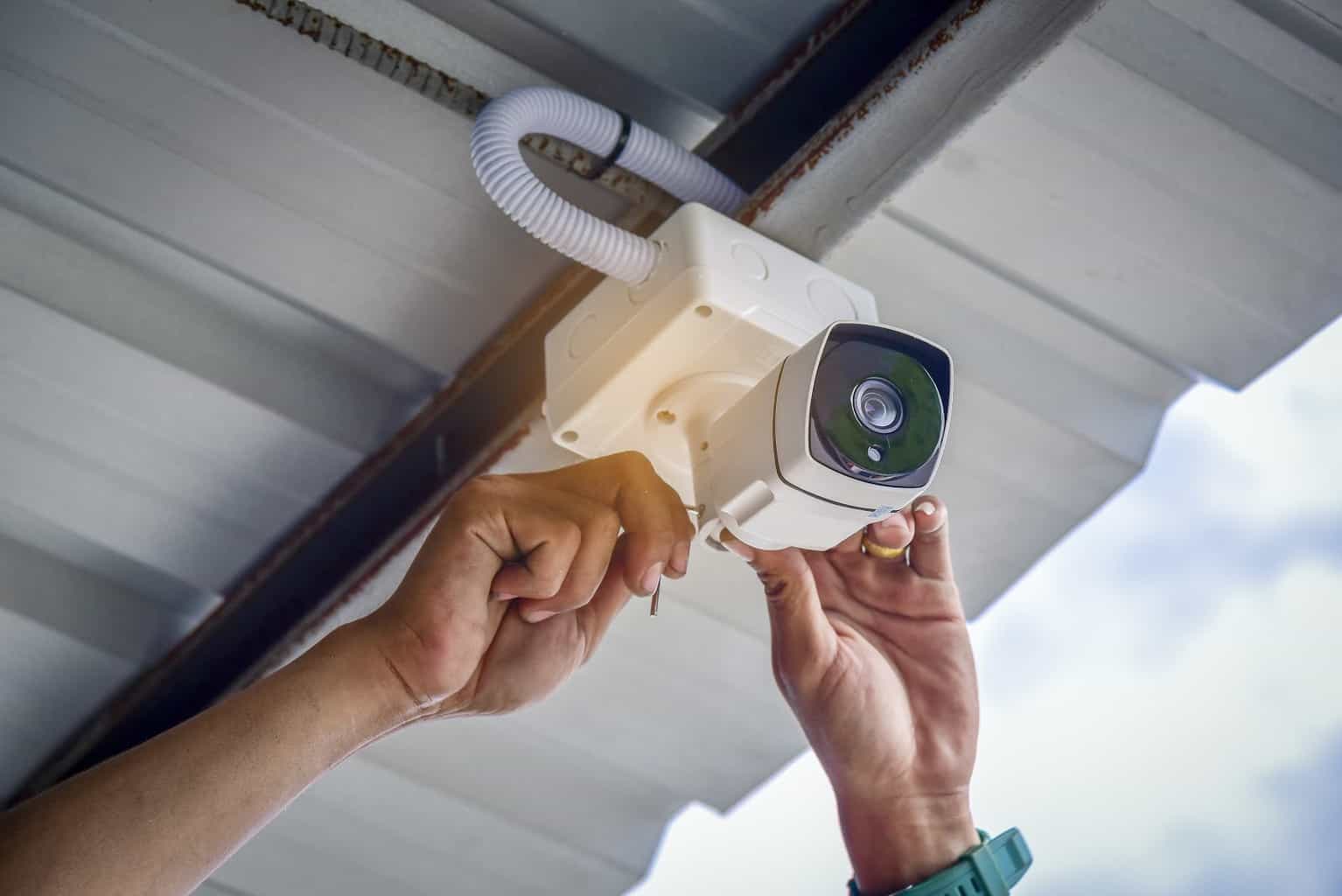
installing camera

As a homeowner, installing a top-notch outdoor security system is an investment in both your property and peace of mind. With these nifty devices, no matter where you are, you’ll have round the clock visibility of your home’s perimeter, allowing you to spot suspicious activity before it becomes a problem. Sometimes, the presence of a security camera alone can be enough to ward off potential intruders! That said, let’s dive into today’s top security camera systems.

Differences in Security Camera Systems

Although all high-end security camera systems on today’s market perform the vital function of video surveillance, the quality and complexity of this ability varies between products. When choosing your home’s techno watchdog, it helps to keep a list of key features to guide your search, including:

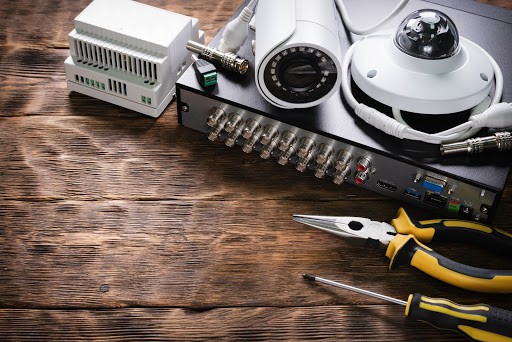
  • Video Quality: If all your images appear as fuzzy dots, what’s the point of having a security camera anyway? Even if you only intend to install a camera as a cautionary measure, it’s important all images the system captures render at a high enough quality to alert you to potential mischief or — in the worst case — to be used as viable evidence in the incident of a home invasion. Since security cameras function on the same pixel technology as video cameras, it’s important to select a system with high resolution. Generally, 4 MP or 1080p resolution is high enough to record clear images with obscured details, while 5 MP is the gold standard.
  • Power Source: Like all electronics, security cameras need to derive their power from somewhere. At the moment, there are three types of power sources for wireless cameras: solar powered, plug-in cable, and battery powered. 
  • Installation: Most cameras can be installed simply with a screwdriver. The complicated part is deciding where the best place to install it is.
  • Storage: There are two ways you can store your camera’s video footage: local or cloud. With local storage, you will store the footage on a microSD card or a USB drive and want to make sure it is easily accessible in time of need. Most people prefer this method because it is both convenient and private. With cloud storage, you can view the footage from anywhere through your phone or any other electronic device that has the app.
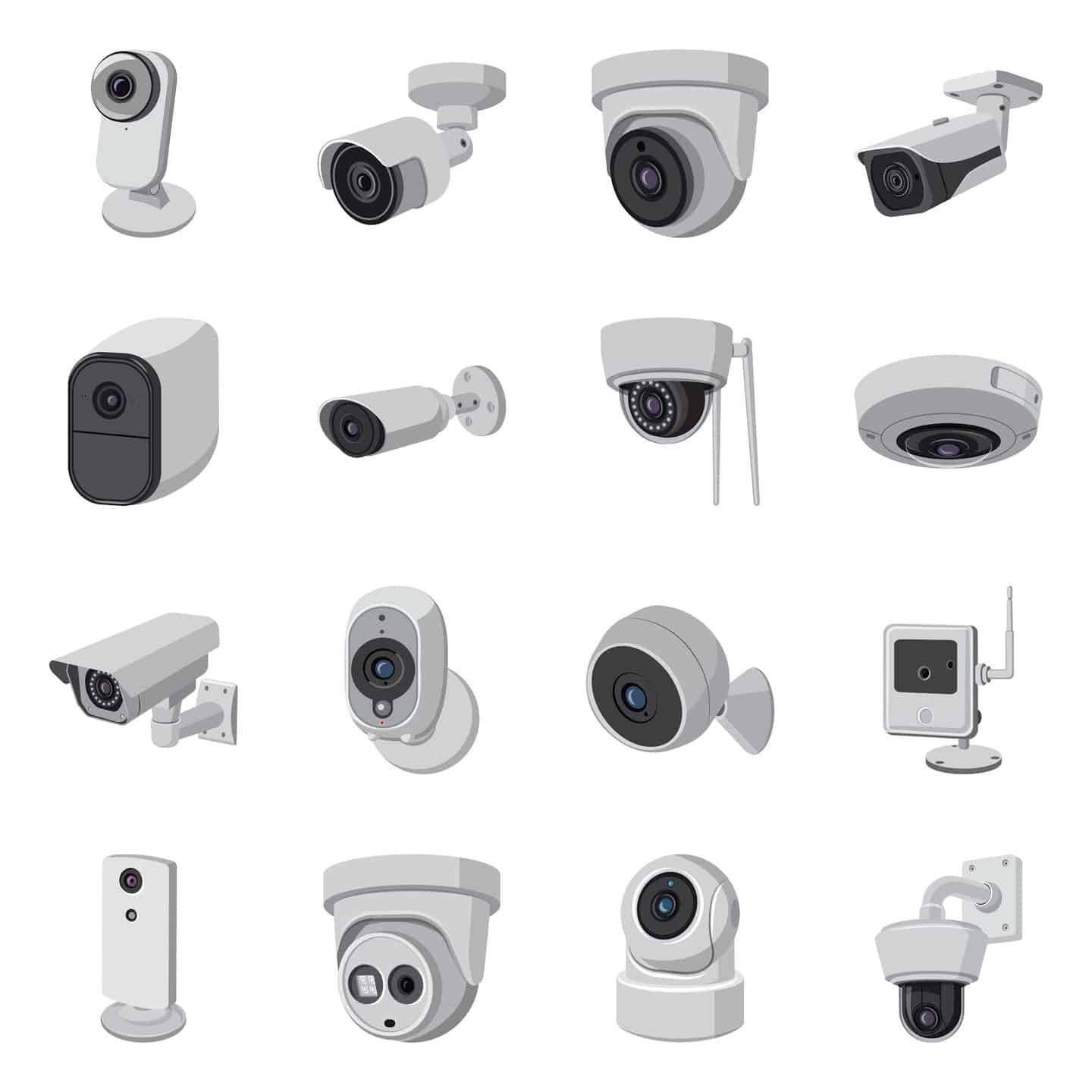
camera styles
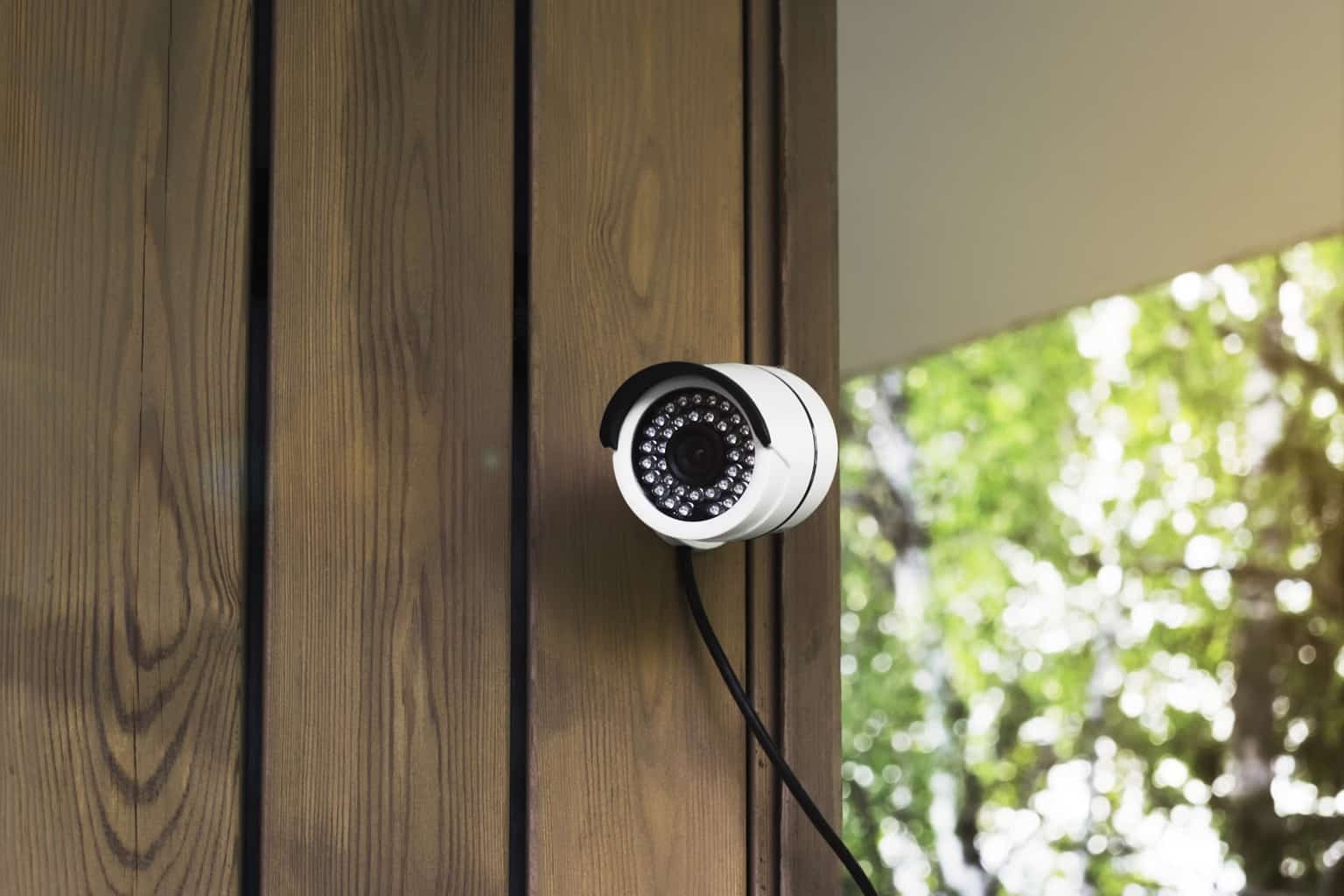
security camera

Stay Secure with Pop-A-Lock

If you’re still on the fence about installing an outdoor security camera system, let Pop-A-Lock  clear up your doubts with our residential security audit. We’ll scour your property in search of security blind spots, and advise you on how to beef up your defenses. Or, if you prefer to poke around for yourself, download our free home security audit checklist today!

Call Us 614-424-6736