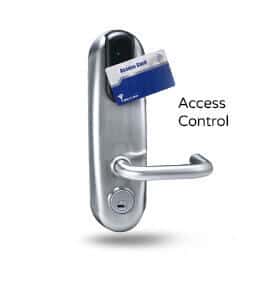
614-424-6736

List of Common Lock Types

Whether your needs are residential, commercial, or automotive, having the proper type of lock is necessary for maintaining the security of yourself, your family, and your belongings. One factor that people often struggle with is determining which lock is right for their specific needs.

Many different types of locks are available for a wide assortment of purposes. We know trying to choose the right lock can be overwhelming. However, don’t stress. You can get answers to all your lock questions when you work with the professional locksmiths at Pop-A-Lock.

Types of Locks

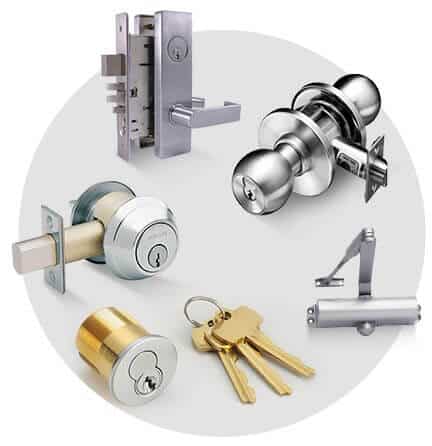
Some of the most common kinds of locks used include:
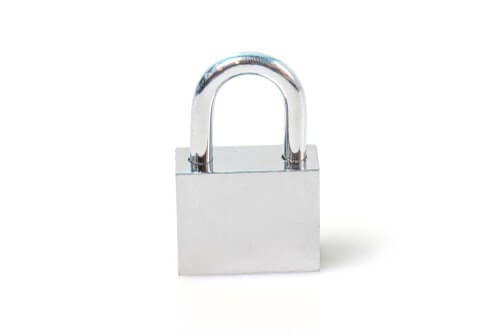
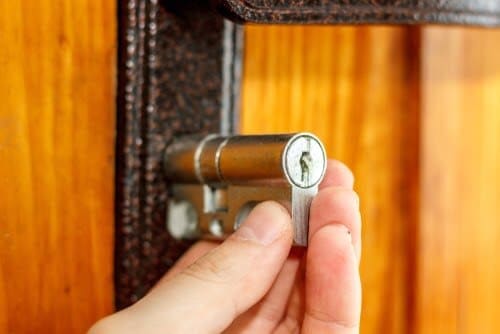
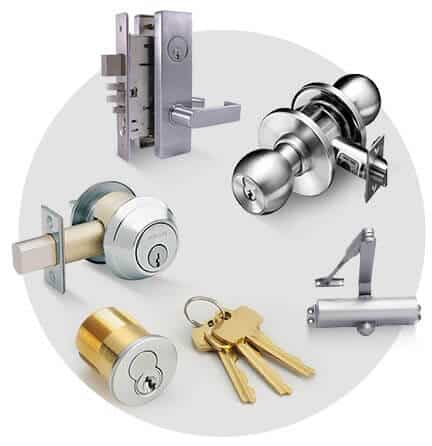
Padlocks — A padlock is a detachable type of lock installed on your door. It is usually composed of three components: a body, a shackle, and some kind of locking mechanism to keep the door securely shut. The locking mechanism of padlocks may be integrated or modular. These locks commonly are used to lock things together, but they can act as a security device on certain types of containers or doors.
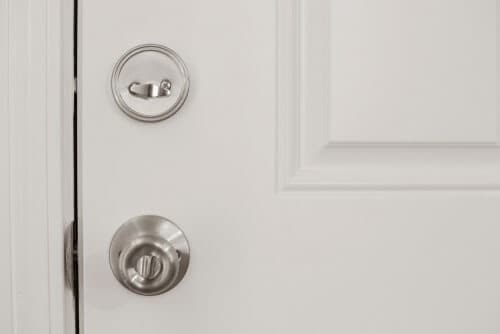
Deadbolt locks — Generally installed on external doors, a deadbolt lock can only be opened through the rotation of a key. This kind of lock is more complex, providing more security as the single cylinder deadlock allows a key on only one side. The other side, normally interior-facing, is solely operated by a twist knob. , These locks can also feature a double cylinder. The double cylinder lock allows keys on both sides without a twist knob.
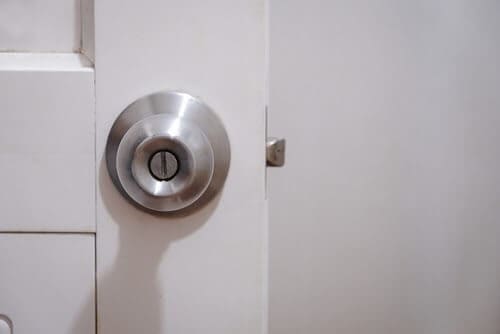
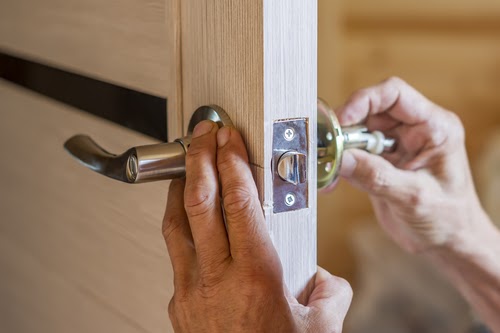
Doorknob — It’s important to note that not all doorknobs have a locking function, but many do have locking mechanisms built in. The lock on a doorknob is often seen in the form of a small button or lever on the handle of the doorknob.
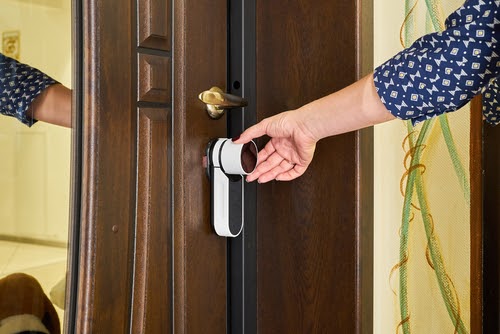
Lever handle locks — Lever handle locks are seen on the handles of doors. There are three different grades of security. Typically, Grades 1 and 2 are used for commercial applications and Grade 3 is for residential use.

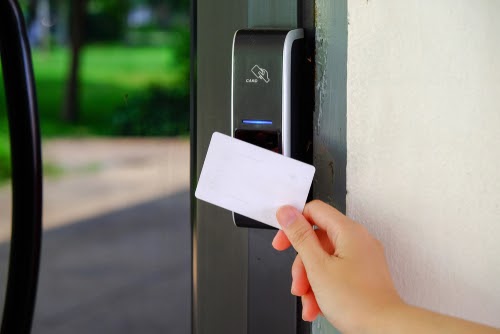
Electronic door locks/Smart locks — A smart lock is a newer type of lock. These locks are electronic, and use either Bluetooth, WiFi or Z-Wave communication to interact with other electronic devices in your home. You may use an app on your phone or a fob, but some electronic door locks feature touchscreens or keypads for access.

Passage Sets — A passage set is a hardware set which allows the functioning of a bolt into a door strike but not that ability to lock the mechanism. For this reason, passage sets are more common in areas not requiring security or privacy.

Mortise locks — Commonly used in commercial construction, a mortise lock consists of a lock chassis, two levers, and a mortise cylinder. These locks are more expensive but can also last much longer than other kinds of locks.

Need Help Finding the Right Lock? Call Pop-A-Lock Today

When you are facing any kind of lock issue at your home or business, it’s important to always get the professional opinion of a trusted locksmith. When you contact your local Pop-A-Lock , you know you will always be provided with the help of one of the most trusted locksmith companies in the nation.

Pop-A-Lock uses its Home Site Security Audit to give customers a more thorough look at the current security measures at home and consider additional options for a safe environment. We can also rekey commercial locks for businesses, and offer a Commercial Site Security Audit.

Pop-A-Lock was founded in Lafayette, Louisiana, but has quickly become the largest professional locksmithing franchise in the United States. Our Pal Saves Kids Program is a free community service dedicated to saving children who are inadvertently locked in vehicles.

You can call (800) POP-A-LOCK or contact us online to discuss your lock questions. We provide emergency unlocking services 24 hours a day, seven days a week.
8 Ways To Help Prevent Vehicle Break Ins

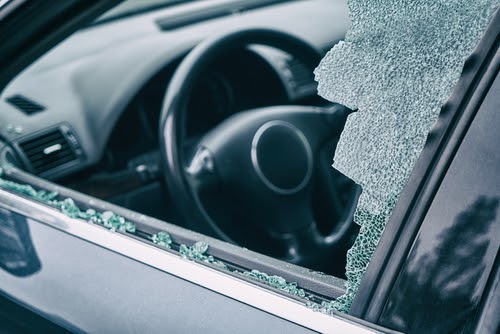
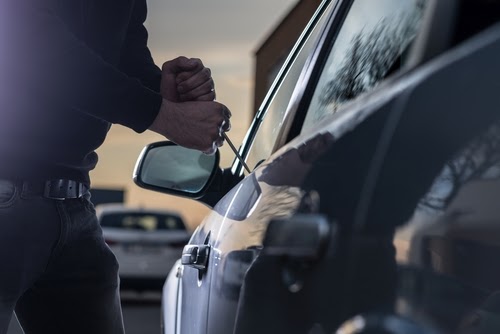
Unfortunately, vehicle break-ins are an all-too-common occurrence. While there is no way to guarantee that you’ll never experience a break-in, there are specific precautions you can take to minimize the likelihood that it will happen. Remember that most crimes like these are crimes of convenience, so by implementing these extra steps, you can make it more difficult or unappealing to a would-be thief to break into your vehicle.

Below, we’ve included eight tips for protecting your car from break-ins.

  1. Lock your car doors and roll up the windows. Whenever you park, double check to see if your doors are locked and your windows are closed. In many cases, thieves look for unlocked cars as it is much  easier for them to steal items inside. Thieves do not want to bust a window or pick a lock if they don’t have to, because the longer they spend at the car, the more likely it is that someone will see them. Be sure to keep your car locked while you are driving, too. For instance, if your doors are unlocked, a carjacker could hop in while you’re stopped at a light!
  2. Park in well-lit areas.  Parking in a dark or shadowy areas makes it easier for thieves to break in without being seen. Thieves prefer to operate in the dark and are less likely to break into a car if it is in a well-lit area. If you have to park on the street at night, try to park under a street light.
  3. Install a security system and advertise it. An anti-theft system such as a steering wheel lock, ignition cut-off, or window alarm can be effective at preventing a burglary. A security system may include options such as motion sensors and sirens that sound if someone breaks in. Some new systems even have two-way communication so that when the alarm goes off, you are notified on your smartphone. Also, slapping a car alarm sticker on your window can help deter thieves – even if you don’t actually have a car alarm.
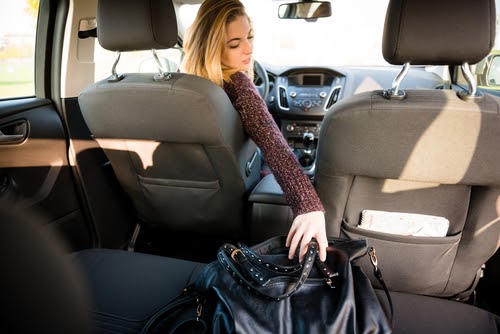
  4. Hide valuables. It’s best to avoid keeping any valuables in your car, but in times when you have to, be sure to cover them with a blanket or towel,  or put them in the trunk. Place small valuables in the center console or glove box. If valuables in your vehicle are visible, it drastically increases the chance a thief will target your car.
  1. Tint your windows. Window tint can make it difficult to see inside your car, and, if thieves can’t see into your vehicle, they’ll be less likely to break in because they don’t know that anything valuable is inside.  However, be sure to check the window tint regulations in your state. The front windshield is typically the most restrictive. A good rule of thumb for side windows is to choose tinting that allows for 35% of visible light through.
  1. Make your stereo less eye-catching. Stereo systems draw the attention of thieves and are among the most commonly stolen items during car break-ins. If you have an expensive stereo, consider removing the radio faceplate and putting it in your glove box whenever you leave your vehicle. A stereo without a faceplate makes it less valuable and therefore less likely to be stolen. Also, don’t put a decal advertising the brand of your stereo, as a noticeable name brand could be an appealing target for thieves.
  2. Don’t leave your car running. While you may be tempted to leave your car on if you’re just popping into a convenience store for a minute, that short period of time still gives someone a chance to jump in and steal your car. According to the FBI, in 2016 there were more than 765,000 thefts of motor vehicles in the United States.  Furthermore, in most states, it’s against the law to leave your car unattended and running.
  3. Do not park in places that don’t feel safe. Trust your instincts. Avoid places with no lights and no security cameras. If possible, avoid a secluded parking lot, as that allows thieves to break into your car with less risk of being seen. If you park where there are other cars, thieves may target a more vulnerable car instead of yours. Try not to park in places where you see people loitering. Sometimes thieves hang around and wait for people to park so they can then look in the car to see if there are valuables inside.

Criminals often prey on easy victims. Thieves are opportunistic, and if you eliminate their opportunities for theft, you are far less likely to become a target. Following the above tips should significantly decrease the chance that your car gets broken into. Always use common sense and stay safe.

Locked Out? Call Pop-A-Lock for Help

The expert locksmiths at Pop-A-Lock know that sometimes those same security systems that help prevent thieves from breaking in can also keep us out of our own vehicles! If you’ve locked your keys in your car or lost your keys, don’t try to break into your car to get them. Instead, contact one of our fast and friendly technicians for help. We’re available 24 hours a day, 365 days a year to help you get back into your vehicle and on the road.

Tips to Prevent Home Invasions

According to The US Department of Justice, 1.03 million home invasions occur each year. And the average loss of a home invasion is approximately $2,000 per home.

These statistics can be alarming. Nobody wants to be the next victim of a home invasion. Don’t worry! The more aware you are of the risks, and the more proactive you are in protecting yourself and your home, the lower your chances of a home invasion.

Ensure All Entryways Are Secured With Locks

The best way to prevent a home invasion is by enhancing security. Installing the right locks, in the right places, can go a long way. It’s shocking how many burglars (40%) enter a home through an unlocked door or window.

First and foremost, make sure every door in your home has a durable lock on it. High-quality deadbolts are solid metal (not hollow) with a throw (the distance which a lock bolt travels when turned) at least 1.5 inches long. If you want to go a step further, there are a variety of smart locks available today. These locks can allow remote access, have more controlled access through codes or phone apps, and can even have built-in cameras to increase security.

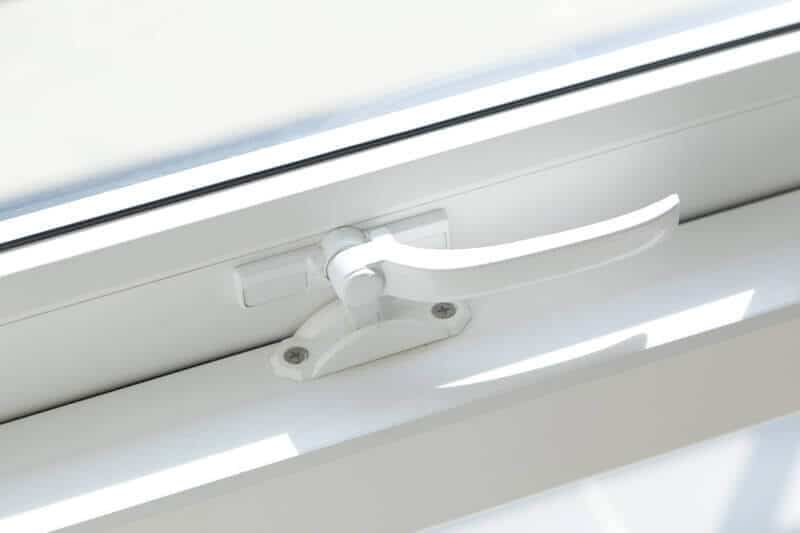
In addition to all doors, it’s imperative to make sure every window in your home has a lock on it as well. A window at any level – from basement to upper stories – is a potential entry way for thieves lurking around your property. If your windows are newer, they should come with locks on them. Check that every window is locked every night before bed or before you leave your home. If your windows are wooden or older, they may not have come with locks. If this is the case, you can easily buy bars or deadbolts to install on any window.

The last piece of advice we can give you regarding locks  is do NOT leave any spare keys hidden outside. This probably seems obvious and you’ve heard it time and time again. And yet, people continue to do it. If you need to leave a spare key outside of your home for any reason, put it in a secure lock box or something similar.

Additional Tips From Locksmith Professionals

There are other things – beyond locks and keys – that you can do around your house or property to increase security and lower the risk of home invasion. Some of them include:

  • Keep your house lit, inside and out. Install outdoor lights (preferably motion-activated) near all doors and garages. Put indoor lights on varied timers, so they turn on and off even if you’re asleep or not home. Having these systems in place can make it look like someone is home and deter thieves from targeting your property.
  • Use radio and TV. The same idea applies here – if someone is roaming your property and they hear a TV or radio on inside, they’re more likely to think someone is home and awake. This will lower the risk of a home invasion.
  • Install a smart doorbell or security camera. Many smart doorbells have cameras built in that allow you to monitor your front porch and yard. Having some sort of camera system in place can let you check in on your house from afar and alert you if someone is on your property.
  • If it’s been a while since you rekeyed your home (or you never did when you first moved in), it may be time to consider doing so. Between  babysitters, contractors, cleaners, children, past relationships, and more, the number of keys to your house roaming the world can quickly rack up. Rekeying your house is a simple and painless way to ensure only those who needs keys to your house have them.
  • It doesn’t matter what kind of security you have in place if you don’t use it. Lock your doors, turn on the alarm system, make sure the timers on the lamps are set and ready to come on at  various times.


The thought of a home invasion happening to you is frightening. But the reality is a lot of them  are preventable! If you take steps to increase security and protect your home appropriately, you’ll lower your risk of being the next victim.

Call your local Pop-A-Lock today to learn more from our trusted locksmith professionals about what you can do to protect your home! We also have a home security audit checklist you can download for free.

The Dangers of Proximity Keys and Push to Start Cars

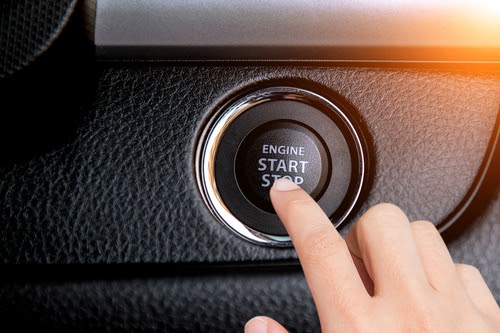
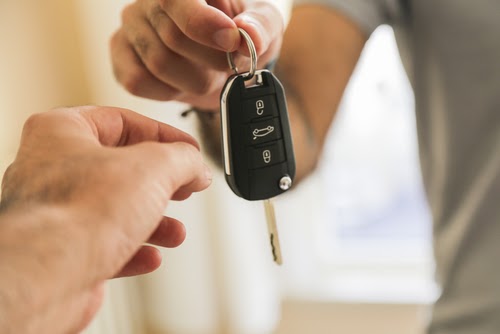
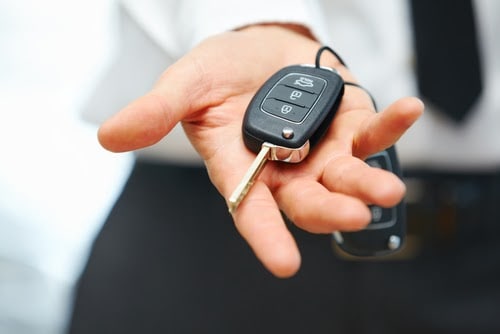
The remote proximity key – also known as “keyless entry” – allows you to open your vehicle and start it without touching the electronic key fob, a small device that transmits a code to a computer in the car when in close range. In vehicles with keyless, push-button ignition, the fob is recognized by the vehicle to authorize its operation. The fob can stay in the driver’s pocket or purse, as the ignition switch is a button on the dash.

This increasingly common technology has become a part of everyday cars, not just luxury models as it once was. Some car manufacturers even have smartphone apps, whose functions include remote starting.

While keyless entry and push-button ignition technology is convenient, it is not without dangers. In fact, a recent New York Times report found proximity keys could be partially responsible for dozens of fatalities in the United States.

The article tells the story of a Florida man who drove his SUV into his home garage and entered his house with the key fob, believing that the car was turned off. About 30 hours later, the man was found dead, having been killed by the carbon monoxide that engulfed his home while he was asleep. According to the Times, the man was among at least 25 people who were killed by carbon monoxide in the  United States since 2006, after a keyless-ignition vehicle was accidentally left running in a garage.

Safety watchdog groups have documented instances of drivers pushing the button to stop the engine before putting the vehicle in park, allowing their vehicle to roll away. Many car systems emit warnings or even shut down after the driver exits the car, and the fob is detected leaving with them. You could leave the fob in the car’s cup holder, for example, then after you exit, the vehicle doesn’t know to turn off.

Hybrid cars pose problems as well. They are very quiet when in electric mode – which they are often in when sitting still after parking. A driver can assume the car is shut down because the engine isn’t running. However, the vehicle may not be truly off. The engine could restart itself, to adjust the climate control, for instance, and therefore send carbon monoxide into the home. Make sure that whenever you enter your home,  any car parked in the garage is shut off. Being extra careful about this can prevent a tragedy.

Allow the Experts to Duplicate or Replace Your Fob or Key

If you need a new key or fob for your vehicle, you need a highly skilled and trained professional to ensure it will start your vehicle. At Pop-A-Lock, our key replacement services are affordable and reliable. We can get the job done much quicker – and cheaper – than the dealership. Call Pop-A-Lock today for help with:

  • transponder keys
  • fobs
  • keyless remotes
  • dealer chip keys programmed on-site
  • remotes programmed
  • electronic keys
  • key replacements
  • VATS keys

We are available 24/7 to meet your automobile key needs. Pop-A-Lock technicians can create the key you need on the spot. Our technicians are trained to program transponder, VAT, and smart keys for any vehicle. Our work is of the highest quality – guaranteed!

When Should I Rekey My Locks?

The condition of your locks is probably something that rarely crosses your mind, but rekeying your locks is a practice that can significantly improve the security of your home. Key locks provide security for our families and possessions and give us peace of mind, but if we don’t rekey our locks occasionally, the level of protection they provide can diminish.

The Difference Between Changing Locks and Rekeying Locks

Changing locks is pretty self-explanatory: it means you replace the old locks with new ones. For example, you may change your locks if you want to upgrade to an electric lock system, or if you want them to better match the new paint colors or finishes in your home. Rekeying locks is different. When you rekey a lock, you adjust it so that it no longer works with the current set of keys. Once a lock is rekeyed, the keys you  had for it will not be able to open it.

Lock mechanisms contain key pins that correspond to the keys that open a specific lock. When you rekey a lock, you adjust the workings of the key pins so that a new key is needed to open the lock. A locksmith will need the current key in order to rekey a lock. This practice will  improve the security of your home, especially if pins are added.

When To Rekey Your Locks

The following are common reasons to rekey your locks:

  1. Moving Into a New Home: If you buy a home that someone else has previously lived in, it’s a great idea to rekey the locks. You want to be certain that only  people you know and trust have access to your new home. Rekeying locks on a previously owned home helps you ensure that only you and your family members have the keys that can grant access to your home.
  2. Changing Older Locks: If you’ve lived in your home for a while, or if you’ve recently bought an older home, rekeying your locks is a great way to improve security. Lock mechanisms can get dirty and worn down over time, which  leaves them vulnerable to break-ins. Rekeying older locks is a great way to decrease the chances of successful tampering.
  3. You’ve Lost Your Keys: If you’ve lost your keys, rekeying your locks is paramount to the continued safety of your home. There is no  reason to risk a stranger using your keys to enter your home, especially if your keyring had any access or address information on it. Getting rekeyed locks and new keys is the best way to ensure that you and your family remain secure in this situation.

If you have questions about changing locks, rekeying locks, or need assistance determining which option is right for your situation, an experienced Pop-A-Lock locksmith can assist you. Our trained and certified technicians have extensive experience with both replacement and rekeying of locks, and quality work is our priority. Visit the Pop-A-Lock website to find our location nearest you.

I Think Someone May Have Tampered With My Locks, What Do I Do Now?

If you have noticed that your home lock has been tampered with, or if it appears that someone tried to break in, you are probably experiencing feelings of anxiety, fear, and stress.

This blog will explain exactly what to look for if you believe your lock was tampered with, as well as detailing what actions to take with the help of an experienced locksmith.

Signs Your Lock Was Tampered With

If you suspect your lock has been tampered with, start with looking for these common signs:

Brute force. Signs of brute force include bent deadbolts or latches, warped doors or door frames, and the presence of small paint circles caused by moving the locking fixture. Criminals will often try to drill through a deadbolt, bash in a lock, or kick in a door. These actions often leave a trail of splintered wood and twisted metal.

Lock does not function. If there are no visible signs of damage, you may notice that the key does not turn properly. This could be an indicator the lock has been tampered with.

Bumping: By using a “bump key” – a dummy key of sorts – and hammering on the lock, a criminal can open the lock and gain access. When bumping is done correctly, it leaves little to no evidence. However, sometimes inexperienced burglars can leave identifiable marks. Signs of bumping include new nicks around the keyhole and shiny metal edges that look like they have recently been hit.

Picking: This occurs when a burglar employs small tools such as a pin or screwdriver to turn the lock and rake the pin tumblers. Once the tumblers catch the lock, the doorknob will turn. While picking requires much skill and patience, the method is gentler than bumping and may not leave a trace. A common sign of picking is tiny scratch marks and some exposed metal around the keyhole. It’s not likely to show dents or warped bolts.

How to Take Action

If you believe your lock has been tampered with, you will want to contact a locksmith as soon as possible. Take inventory of all your valuables and let your neighbors know about the attempted break-in. You may want to have a deadbolt lock installed, rekey, or install a new lock.

Contact Pop-A-Lock for Lock Rekeying and Repair

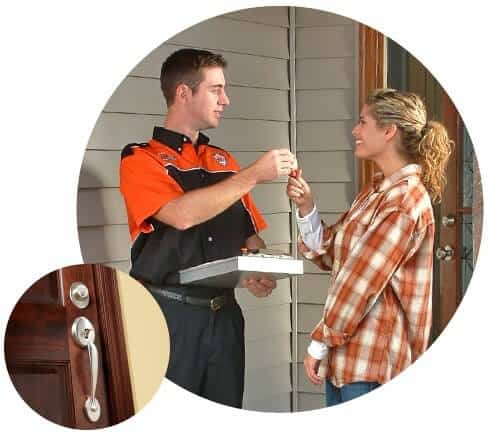
A trained and highly skilled Pop-A-Lock technician can repair your locks quickly and at an affordable price. We can repair or install all lock brands, models, and types. Our technicians will come to you, always arriving in a marked vehicle and uniform. They are fast, reliable, and have all the tools and equipment needed to get the job done quickly and correctly.

You can always count on the lock and key professionals at Pop-A-Lock for all your lock repair and installation needs. Don’t put your safety at risk by not having your locks installed by a professional. Call 1-800-POP-A-LOCK today if you need immediate service. We are available 24/7 to serve you.

What is Key Control and Why Should My Business Care?

Security is important to all businesses – from large corporations to locally owned mom-and-pop stores. Business owners have many responsibilities, security being a major concern for all. Businesses throughout the country benefit greatly from key control, a popular method of maintaining more control over your commercial property. Key control is essentially a system of tracking which employees have keys and what areas they have access to with those keys.

Employees account for over 40% of occupational fraud and $3.7 trillion in lost revenue each year for all businesses, according to the 2014 Global Fraud Report. Much of this fraud and lost revenue occurs because keys are issued to employees and never returned when the employees leave the company.

A key control system is critical to not only the security of a facility, personnel and equipment, but can also save you money. Key control, which ensures that certain keys are only used by authorized people, involves strategies for keeping tabs on which keys are carried by employees. Key control also involves the implementation of strategies  that prevent employees from giving away duplicate keys to unauthorized users.

If you don’t have a key control system in place already, consider one for your business to increase employee safety, decrease workplace crime, and give you peace of mind.

What Are The Types of Key Control Systems?

With key control, there are mechanical systems and electronic systems. The differences between the two are as follows:

  • Mechanical systems are an effective form of key control that enhances your facility’s overall security when used correctly. Simply put, these systems consist of a key with a plastic peg attached.  The pegs are unique to each employee, serving to prevent keys from being removed unless the employee has the peg with specific clearance to remove it. The keys are also locked in a numbered port, and can only be removed after an access peg has been inserted. Mechanical systems help track which employees have accessed the keys, as their individual peg cannot be removed until the borrowed key is returned.
  • Electronic systems are a more advanced form of key control  that involve the newer technology of microchips . Keys are assigned to unique chips that are then inserted into a reader.  The reader records when an authorized employee takes a key, and when it was returned. This advanced kind of key control system also lets others know which employee  has a key if they request it and creates an audit trail of every key used and who used them.

What Are the Five Security Levels of Key Control?

The five security levels to key control are:

Level 5 – Key control systems with Level 5 security rely mostly on the honor system. This system has the lowest level of security and consists of unrestricted keys that employees are simply told not to make copies of. Employees are also warned not to give their keys to others and are trusted to comply with these rules, but there is no way for employers to track compliance.

Level 4 – Systems with Level 4 security involve unrestricted keys, however they are marked “do not duplicate.” This disclaimer is only semi effective, as the keys technically could still be copied anywhere. However, the majority of reputable locksmiths and key professionals  will not copy them. The Associated Locksmiths of America, a nationwide trade organization for locksmiths, calls the “Do Not Copy” disclaimer a misleading tactic because it provides a false sense of security.

Level 3 – Systems with Level 3 security involve the use of restricted keys. These keys provide higher security as they can only be obtained through a single supplier. Restricted keys cannot be found at retailers,  as they have to be obtained through the original source. The supplier of the key has rules set forth to prevent unauthorized duplication, giving business owners a certainty that only the keys they hand out will be able to access the designated restricted area

Level 2 – Key control systems with Level 2 security contain an even more restrictive set of keys. These are  keys are patented, giving an extra boost of security as they are protected by patent law. If an individual attempts to sell or duplicate this key without getting permission from the patent holder, they could face legal penalties.

Level 1 – Systems with Level 1 security provide the highest level of security possible with a key control system. This level of security involves factory-only patented keys used to restrict access to designated areas. These keys have no possible way to be cut locally. In order to make copies,  users have to send an authorization request to the original factory to have keys cut. In Level 1 systems, strict records are kept of who has access to each key, and when each key was used.

Commercial Security Locksmithing by Pop-A-Lock

A key control system will help improve the overall security of your business. Allow the knowledgeable and experienced locksmiths at Pop-A-Lock to install the right system for your business.

Pop-A-Lock is the No. 1 commercial locksmith in the United States. When you use our commercial lock services, you can rest assured that your business locks are repaired or installed correctly by highly skilled technicians.

You can rely on Pop-A-Lock® to provide high quality, professional service 24 hours a day, seven days a week. Call 1-800-POP-A-LOCK today to learn more about how can help set up the right key control system for your business.
I’m Locked Out Of My House, What Do I Do Now?

I’m Locked Out of My Home. What Do I Do Now?

With our busy daily schedules and the frequent distractions of everyday life, it is easy to make common mistakes like locking ourselves out of our own homes. We’re only human, after all.

Locking yourself out of your home can be a minor inconvenience that results in, say, running late to work. However, it can be a much more dangerous situation if young children or pets are locked inside. If you lose your keys or lock them inside your home, don’t panic. You  have many other options for getting back inside quickly and easily without damaging your property by trying to break in through a window or by breaking down a door.

Instead, don’t panic, remain calm, and consider the following options for getting back inside safely.

Call a Friend, Roommate, or Family Member

It’s a great idea to give someone you trust a copy of your key for situations like this. Give a trusted neighbor a copy of your house key for safekeeping. Make sure to choose someone who is responsible and is usually available (not traveling frequently) to help in an emergency.

If you have a roommate, friend, or family member that has a copy of your key, it should be easy to call them and ask if they can let you into the  house. If you don’t have access to your phone to call them, ask to borrow one from a neighbor or a local business.

Locate a Spare Key

Many people hide spare house keys around their homes for situations just like these. While it is not a good idea to hide your key in well-known hiding places like the front doormat or under a potted plant (see our article on Common Home Security Fails for more info on this), there are safer solutions for securely hiding keys like outdoor key safes, fake rocks designed to hold spare keys, and other smarter alternatives.

Double-Check Other Access Points

Is there a chance that a back door, side door, or window was left open? Don’t attempt to get back in by breaking a window, since you could potentially hurt yourself and the repairs can be expensive. Only enter through a window or other door if you’re able to open it from the outside safely.  Does your back door have a doggie door for access for your pets? If you can squeeze through there, you’ll be in!

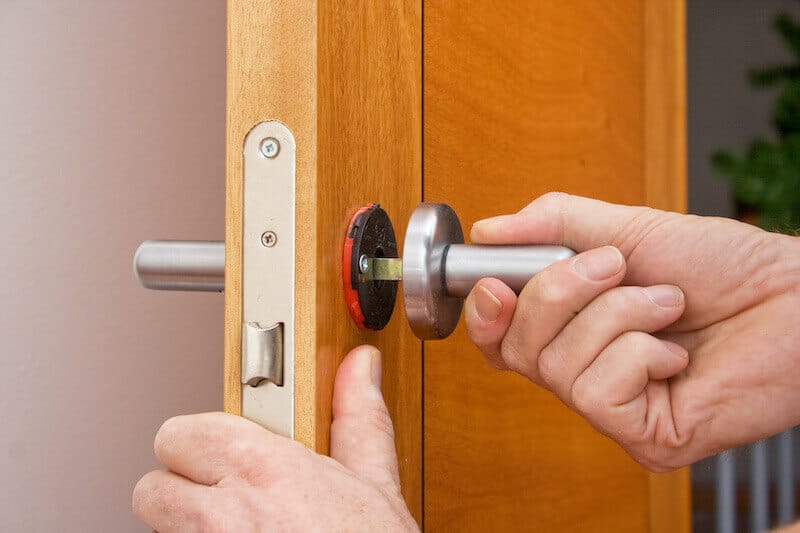
If you have access to a toolset, you may be able to get inside by removing a doorknob on doors that don’t have deadbolts. Check to see if there are any screws on your doorknob or a plate that can be removed by a screwdriver. Make sure you’re using the right screwdriver for the screws on your doorknob.

Call a Professional Locksmith

If you find yourself in a situation where none of the solutions above will work for you, you can always call Pop-A-Lock for professional locksmith services. Calling a locksmith is often the safest, easiest, and quickest way to regain access to your home or car. The technicians at Pop-A-Lock are certified and trained on the latest locksmith technology, and we’re always here when you need us. Give your local Pop-A-Lock a call, and we’ll have you back inside your home as soon as possible with fast, professional, and reliable service.

What are VATS Keys and How Do They Work?

What is a VATS Key?

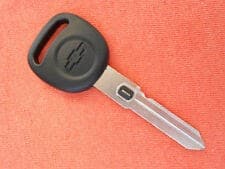
The safety of our vehicles is extremely important to all of us. VATS keys, introduced by GM in 1986, were one of the first  keys to provide extra security measures, and therefore extra peace of mind that a vehicle is as safe as possible. VATS (Vehicle Anti-Theft System) keys were first used on Corvettes, because, as you can imagine, the sports car was a major target for thieves.

Since the invention of the VATS key did so well to reduce the number of stolen Corvettes, GM expanded the system to other models such as the Camaro, Firebird, and Cadillac Seville vehicles in their later models. VATS keys then became an industry standard as they appeared in other vehicles such as Buicks. The original VATS systems were popular through the early 2000s, and one of the last vehicles released with a traditional VATS system was the 2003 Firebird. The original VATS key systems paved the way for the levels of electronic vehicle security we have today.

Traditional Keys

There are a number of differences between traditional keys and VATS keys. Traditional mechanical keys provide just a basic level of security to vehicles. Two of the most common types of traditional mechanical keys are edge cut keys and side-winder keys.

Edge cut keys are the standard key variety that many vehicles have used for decades. The cuts are on the edge of the keys, and they can be copied by most standard key machines.

High security, or side-winder keys, offer a little more security than edge cut keys as they cannot be copied by standard key machines. In order to copy these keys, a particular type of machine must be used to engrave cut specifications into the key.

VATS Keys and How They Work

VATS keys are essentially the first electronic keys and, as such, provide a much-needed improvement in vehicle safety from their predecessors. VATS keys have resistors embedded in them, and when someone inserts a VATS key into the ignition of their vehicle, an electrical current runs through the resistor inside. The resistor value is read by a computer inside the car, and if it is not the same as the value in the computer’s memory, the car will not be able to start. This function provides extra security because a few minutes of stalling is plenty of time for a car thief to choose another vehicle to pursue.

Also, duplicating a VATS key is not as simple as going to a key copier at the store. In order to copy a VATS key, a locksmith will use a VATS interrogator to determine the resistance value of the key as it is important that they match, and then the cuts can be copied onto the blank key.

The Remote Keys of Today

Electronic keys have certainly come a long way since the release of the original VATS keys in the mid ‘80s. Nowadays, many of us have remote buttons we can use to lock and unlock our cars at the very least. Many vehicles now have keypads on which you can enter a code to unlock your car, and even push-to-start buttons that render a standard key unnecessary.

Proximity technology of locking and unlocking remotes that come with newer vehicles is a way push-to-start vehicles can remain safe, as long as the remotes stay in the possession of the vehicle’s owner. Today’s modern remote key fobs often have a number of functions in addition to locking and unlocking cars, including folding down mirrors, opening windows and sunroofs, and even remotely starting cars. Because car key technology is ever-advancing, locksmiths keep up with trends and will be able to answer any key-related questions you may have.

Need Help? Call the Key Experts at Pop-A-Lock

Regardless of the type of key or vehicle you have, the experts at Pop-A-Lock have the knowledge and trained technicians you need to retrieve keys locked in your car, or help replace lost or stolen keys. Founded in 1991 in Lafayette, Louisiana, we have over two and a half decades of experience as trained, educated, and dedicated locksmiths. All of our technicians are trained on the most up-to-date locksmith technology including VATS keys and any other type of vehicle key you have, and we are proud to serve more than 8,500 communities. Visit our website to find the Pop-A-Lock nearest you. We’re there when you need us.

6 Tips To Prevent Workplace Crime

Common forms of workplace theft and fraud include:

Billing Fraud: An employee submits inflated invoices, invoices for fictitious services  and goods, or invoices for personal purchases.

Cash Larceny: An employee steals an incoming payment after it has been recorded on the accounting books.

Prevent Workplace Crime

Skimming: An employee steals an incoming payment before recording it on the accounting books

Embezzlement: This involves the taking of money or property by an employee who was entrusted to it.

Business owners can implement the following practices to help reduce the chance of these crimes occurring:

  1. Know employees well and be aware of any odd behavior. Examples include an employee’s sudden devotion to working late or early, sudden lifestyle changes that don’t align with their salary, and strong objections to procedural changes that involve money.
  2. Supervise employees closely. Studies indicate that when supervision is lax, fraud rates increase.
  3. Provide a way for employees to report theft or fraud discreetly.
  4. Have a method of tracking spending. Use purchase orders, cash receipts, and informal audits.
  5. After an employee is terminated or laid off, rekey the locks.
  6. Install Security measures such as key control systems. Limit access to areas with sensitive financial data to specific employees.
Prevent Workplace Crime
Workplace Security Lock

Pop-A-Lock Site Security Audit and PAL Commercial Security Solutions

Pop-A-Lock created the Commercial Site Security Audit as a way for customers to think about and evaluate their current security measures. This checklist, which can be downloaded for free here,  provides guidance for creating a safer environment for your employees, customers, and visitors. The site security audit will evaluate your business with a security-focused mindset, identifying potential security threats and ensuring code compliance.

At Pop-A-Lock, we recommend you select an access control system that best suits your business’s needs and will provide a higher level of security than what you currently have. Our security professionals will you to determine the right system for your company, helping keep your employees, information, and equipment safe.

From rekeying to new lock installation, Pop-A-Lock’s highly skilled technicians can provide the best locksmith services at affordable rates. Some of our commercial services include:

  •   Repairing locks, exit devices, and ancillary locking hardware.
  •   Maintaining proprietary key systems, including Primus, Medeco, and others.
  •   Providing on-site service using a standardized billing process.
  •   Replacing and controlling keys and locks for desks.
  •   Providing Pop-A-Lock’s locksmith services to your employees at a discounted rate.
Pop-A-Lock Workplace Security

To schedule a Pop-A-Lock Security Professional to evaluate your business, call 1-800-POP-A-LOCK today.

Call Us 614-424-6736